





Kubernetes Training: Level Up Your K8s Skills

by Tim
June 17, 2025
Kubernetes Training: Level Up Your K8s Skills
Kubernetes, often called K8s, has become crucial for managing applications in the cloud. As its use grows, the demand for skilled professionals who understand Kubernetes is also increasing. Kubernetes training can provide individuals with the knowledge and abilities to effectively handle containerized applications. This article explores different Kubernetes training options, from basic courses to advanced certifications. It also highlights how Kubegrade simplifies Kubernetes cluster management, making K8s operations more secure, and automated.
Whether someone is a beginner or an experienced DevOps engineer, proper training is key to improving Kubernetes skills. The right training program sets individuals up for success in managing complex systems and deploying applications efficiently. This article helps navigate the Kubernetes training options and find the resources needed to improve K8s skills.
Key Takeaways
- Kubernetes training is a worthwhile investment for IT professionals due to the increasing demand for Kubernetes skills.
- Kubernetes training leads to career advancement, higher earning potential, and increased efficiency in application deployment.
- Various Kubernetes training options are available, including online courses, in-person workshops, certifications, and self-study resources.
- Choosing the right Kubernetes training depends on individual learning style, budget, experience level, and career goals.
- Kubegrade simplifies Kubernetes cluster management through automation, enhanced security, and improved scalability.
- Kubegrade serves as a valuable learning companion by providing a simplified environment for experimenting with Kubernetes concepts.
- Investing in Kubernetes training and utilizing tools like Kubegrade can unlock the full potential of Kubernetes and advance your career.
Table of Contents
- Kubernetes Training: Level Up Your K8s Skills
- Introduction to Kubernetes Training
- Why Invest in Kubernetes Training?
- Types of Kubernetes Training Available
- Choosing the Right Kubernetes Training for You
- Kubegrade: Simplifying Kubernetes Cluster Management
- Conclusion: Your Path to Kubernetes Mastery
- Frequently Asked Questions
Introduction to Kubernetes Training

Kubernetes has become a key technology for managing modern applications. It automates the deployment, scaling, and operation of application containers across clusters of hosts. The demand for Kubernetes skills is growing, making Kubernetes training a worthwhile investment for IT professionals. This article explores different Kubernetes training options and how they can help you advance your career.
Kubernetes, often abbreviated as K8s, is an open-source container orchestration system. It groups containers that make up an application into logical units for easy management and discovery. Kubernetes handles many of the manual processes involved in deploying and scaling containerized applications.
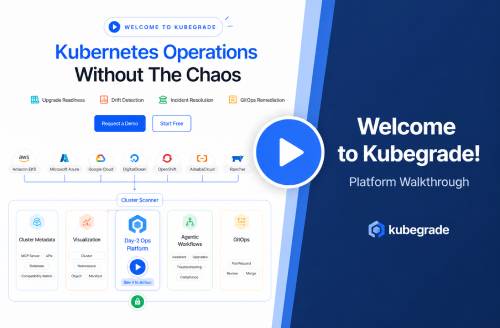
Kubegrade simplifies Kubernetes cluster management. It provides a platform for secure and automated K8s operations, including monitoring, upgrades, and optimization. For those learning and using Kubernetes, Kubegrade can help streamline the management process.
This article covers:
- The basics of Kubernetes and its importance.
- Available Kubernetes training resources for different skill levels.
- How Kubegrade can make Kubernetes easier to manage.
Why Invest in Kubernetes Training?
Kubernetes training offers significant advantages for both individuals and organizations. As more companies adopt Kubernetes, skilled professionals are in high demand. Investing in Kubernetes education can boost career prospects and improve job security.
For individuals, Kubernetes skills translate to higher earning potential. According to recent surveys, Kubernetes professionals earn salaries that are significantly higher than the average IT worker. Proficiency in Kubernetes can open doors to roles such as DevOps Engineer, Cloud Architect, and System Administrator.
Organizations benefit from Kubernetes training through increased efficiency in application deployment. With a well-trained team, companies can deploy applications faster and more reliably. Kubernetes automates many of the manual tasks associated with deployment, reducing the risk of errors and freeing up developers to focus on innovation.
Better resource utilization is another key advantage. Kubernetes optimizes the use of computing resources by efficiently allocating containers across a cluster. This leads to lower infrastructure costs and improved application performance. Studies show that organizations using Kubernetes can reduce their infrastructure spending by up to 30%.
Kubernetes training also leads to a better grasp and utilization of platforms like Kubegrade. By learning the fundamentals of Kubernetes, users can take full advantage of Kubegrade’s features for simplified cluster management, monitoring, and optimization. This ensures that organizations can maximize their return on investment in both Kubernetes and related tools.
Career Advancement and Salary Potential
Kubernetes skills significantly improve career prospects and earning potential in the IT industry. As companies increasingly adopt containerization and orchestration technologies, the demand for professionals with Kubernetes expertise continues to rise.
Data indicates that Kubernetes professionals command competitive salaries. The average salary for a DevOps Engineer with Kubernetes skills ranges from $120,000 to $150,000 per year, while Cloud Architects with Kubernetes knowledge can earn upwards of $170,000 annually. These figures highlight the financial benefits of acquiring Kubernetes proficiency.
Several key job roles require Kubernetes expertise. These include:
- DevOps Engineer: Responsible for automating and streamlining the software development lifecycle using Kubernetes.
- Cloud Architect: Designs and implements cloud-based solutions using Kubernetes for container orchestration.
- System Administrator: Manages and maintains Kubernetes clusters, guaranteeing high availability and performance.
- Software Developer: Develops and deploys containerized applications on Kubernetes platforms.
Kubernetes training can open doors to new opportunities and promotions within an organization. By demonstrating expertise in Kubernetes, employees can take on more challenging projects, lead teams, and advance into higher-level positions. This career growth translates to increased responsibilities, higher salaries, and greater job satisfaction.
Investing in Kubernetes training is a strategic move for individuals looking to advance their careers in the IT field. The skills acquired through training programs are highly valued by employers and can lead to significant career growth and financial rewards.
Increased Efficiency and Productivity
Kubernetes training directly contributes to increased efficiency and productivity in application deployment and management. A team well-versed in Kubernetes can use its automation capabilities to streamline workflows and reduce manual intervention.
Kubernetes automates many tasks, such as:
- Application deployment and updates
- Scaling applications based on demand
- Monitoring application health and performance
- Resource allocation and optimization
By automating these processes, Kubernetes reduces the risk of manual errors, speeds up deployment cycles, and allows developers to focus on writing code rather than managing infrastructure. This leads to faster time-to-market for new features and applications.
Organizations that have invested in Kubernetes and Kubernetes training for their staff have reported significant benefits. For example, some companies have seen a 50% reduction in deployment times and a 20% improvement in resource utilization. These gains translate to lower operational costs and increased business agility.
Kubegrade further simplifies these processes by providing a user-friendly interface and automated tools for managing Kubernetes clusters. With Kubegrade, even teams with limited Kubernetes experience can easily deploy, monitor, and scale their applications. This combination of Kubernetes training and the use of platforms like Kubegrade results in a highly efficient and productive development and operations environment.
Better Resource Utilization and Cost Savings
Kubernetes training allows organizations to achieve better resource utilization and significant cost savings in their IT infrastructure. A well-trained team can effectively manage and optimize Kubernetes deployments, leading to reduced expenses and improved efficiency.
Key concepts that contribute to resource optimization include:
- Containerization: Packaging applications and their dependencies into lightweight containers, allowing for efficient resource sharing.
- Orchestration: Automating the deployment, scaling, and management of containers across a cluster.
- Auto-scaling: Automatically adjusting the number of containers based on demand, guaranteeing optimal resource allocation.
Kubernetes enables businesses to save money on cloud computing resources by:
- Consolidating workloads: Running multiple applications on the same infrastructure, increasing resource density.
- Right-sizing instances: Automatically scaling applications up or down based on actual usage, avoiding over-provisioning.
- Optimizing storage: Efficiently managing storage volumes and reducing storage waste.
For example, a company that migrates its applications to Kubernetes and trains its staff can reduce its cloud computing costs by 20-30%. This is achieved through better resource allocation, reduced waste, and automated scaling.
Kubegrade further improves these capabilities by providing tools for monitoring resource usage, identifying bottlenecks, and optimizing Kubernetes deployments. By using Kubegrade in conjunction with Kubernetes training, organizations can maximize their cost savings and achieve a higher return on investment in their cloud infrastructure.
Types of Kubernetes Training Available

Various Kubernetes training options are available to suit different learning preferences and experience levels. These options range from structured courses to self-directed learning, each with its own advantages and disadvantages.
Online Courses
Online courses offer a flexible way to learn Kubernetes at your own pace. These courses typically include video lectures, hands-on labs, and interactive quizzes. Providers like Coursera, Udemy, and A Cloud Guru offer a wide range of Kubernetes courses, from beginner to advanced levels.
- Pros: Flexibility, affordability, accessibility.
- Cons: Requires self-discipline, limited interaction with instructors.
In-Person Workshops
In-person workshops provide a more immersive learning experience with direct interaction with instructors and peers. These workshops often involve hands-on exercises and real-world case studies. They can be offered by training companies or at industry conferences.
- Pros: Direct interaction, hands-on experience, networking opportunities.
- Cons: Higher cost, fixed schedule, travel requirements.
Certifications
Kubernetes certifications validate your skills and knowledge, demonstrating your expertise to potential employers. The most popular certifications include:
- Certified Kubernetes Administrator (CKA): Focuses on the skills required to administer a Kubernetes cluster.
- Certified Kubernetes Application Developer (CKAD): Focuses on the skills required to design, build, and deploy applications on Kubernetes.
These certifications are offered by the Cloud Native Computing Foundation (CNCF) and require passing a practical exam.
- Pros: Industry recognition, career advancement, validated skills.
- Cons: Exam fees, requires thorough preparation.
Self-Study Resources
Self-study resources include documentation, tutorials, blog posts, and open-source projects. The official Kubernetes documentation is a valuable resource for learning the fundamentals of Kubernetes. Numerous online tutorials and blog posts offer practical guidance and examples.
- Pros: Free or low cost, self-paced learning, access to a wide range of information.
- Cons: Requires strong self-discipline, may lack structured guidance.
The best type of Kubernetes training depends on your individual learning style, budget, and career goals. Some learners prefer the structure of online courses or in-person workshops, while others thrive on self-directed learning. Certifications can be a valuable asset for demonstrating your skills to employers.
Online Kubernetes Courses
Online Kubernetes training courses provide a convenient and accessible way to learn Kubernetes. These courses are typically self-paced, allowing learners to study at their own speed and on their own schedule. This flexibility makes online courses a popular choice for individuals with busy lives or those who prefer to learn independently.
Advantages of online Kubernetes courses:
- Flexibility: Study anytime, anywhere, fitting learning into your existing schedule.
- Affordability: Often more cost-effective than in-person training options.
- Accessibility: Available to anyone with an internet connection, regardless of location.
Disadvantages of online Kubernetes courses:
- Lack of personal interaction: Limited opportunity to interact with instructors or fellow students.
- Self-discipline required: Requires strong self-motivation and time management skills to stay on track.
Popular online learning platforms offering Kubernetes courses include:
- Coursera: Offers courses such as “Google Cloud Platform Fundamentals: Core Infrastructure” which includes Kubernetes concepts.
- Udemy: Features a wide range of Kubernetes courses for various skill levels, from beginner to advanced.
- edX: Provides courses like “Introduction to Kubernetes” that cover the basics of container orchestration.
- A Cloud Guru: Specializes in cloud computing training, including comprehensive Kubernetes courses and certification preparation.
Online courses cater to different learning styles by offering a variety of formats, such as video lectures, hands-on labs, quizzes, and discussion forums. Many courses also provide options for learners to choose their own learning path based on their experience level and interests. The convenience of accessing Kubernetes training online makes it an attractive option for many aspiring Kubernetes professionals.
In-Person Kubernetes Workshops
In-person Kubernetes training workshops offer a more immersive and interactive learning experience compared to online courses. These workshops provide a structured environment where participants can learn from experienced instructors and collaborate with peers.
Advantages of in-person Kubernetes workshops:
- Hands-on experience: Workshops typically include hands-on labs and exercises, allowing participants to apply what they learn in a practical setting.
- Direct interaction with instructors: Participants can ask questions and receive immediate feedback from instructors.
- Networking opportunities: Workshops provide opportunities to network with other Kubernetes professionals and build relationships.
Disadvantages of in-person Kubernetes workshops:
- Higher cost: In-person workshops are generally more expensive than online courses due to the cost of facilities, instructors, and materials.
- Fixed schedule: Workshops have a fixed schedule, which may not be convenient for everyone.
- Travel requirements: Participants may need to travel to attend a workshop, adding to the overall cost and time commitment.
Reputable training providers that offer in-person Kubernetes workshops include:
- LearnQuest: Provides Kubernetes training and consulting services for enterprises.
- Global Knowledge: Offers a variety of Kubernetes courses and workshops for different skill levels.
- O’Reilly: Hosts live training courses and conferences featuring Kubernetes experts.
Workshops provide a more immersive learning experience by creating a focused and collaborative environment. Participants can benefit from the immediate feedback and support of instructors and peers, leading to a deeper grasp of Kubernetes concepts. The face-to-face aspect of Kubernetes training in workshops can be particularly beneficial for learners who prefer a more interactive and hands-on approach.
Kubernetes Certifications (CKA, CKAD, etc.)
Kubernetes certifications are valuable credentials that demonstrate expertise in Kubernetes and improve career prospects. These certifications validate your skills and knowledge, making you a more attractive candidate to potential employers.
The most popular Kubernetes certifications include:
- Certified Kubernetes Administrator (CKA): This certification focuses on the skills required to administer a Kubernetes cluster, including installation, configuration, and maintenance.
- Certified Kubernetes Application Developer (CKAD): This certification focuses on the skills required to design, build, and deploy applications on Kubernetes.
- Certified Kubernetes Security Specialist (CKS): This certification focuses on the skills required to secure Kubernetes clusters and workloads.
Benefits of Kubernetes certification:
- Career advancement: Certification can lead to promotions, higher salaries, and more job opportunities.
- Industry recognition: Certification demonstrates your expertise and commitment to Kubernetes.
- Validated skills: Certification validates your skills and knowledge, giving employers confidence in your abilities.
The certification process typically involves:
- Meeting eligibility requirements: Each certification has specific requirements, such as experience or training.
- Passing an exam: The exams are typically hands-on and require you to demonstrate your skills in a practical setting.
- Maintaining certification: Certifications typically require you to renew them periodically to stay current with the latest Kubernetes technologies.
Kubernetes training is key for preparing for certification exams. Many training providers offer courses specifically designed to help you pass the CKA, CKAD, and CKS exams. These courses provide comprehensive coverage of the exam topics and hands-on practice with Kubernetes.
By investing in Kubernetes training and pursuing certification, you can demonstrate your expertise and advance your career in the rapidly growing field of cloud-native computing.
Self-Study Resources for Kubernetes
Self-study resources offer a flexible and affordable way to learn Kubernetes. These resources include documentation, tutorials, blog posts, and open-source projects, providing a wealth of information for learners of all levels.
Advantages of self-study resources:
- Free or low-cost: Many self-study resources are available for free or at a low cost, making them accessible to a wide audience.
- Self-paced learning: Learners can study at their own pace and on their own schedule, allowing them to fit learning into their existing commitments.
Disadvantages of self-study resources:
- Requires strong self-discipline: Self-study requires strong self-motivation and time management skills to stay on track.
- May lack structured guidance: Self-study resources may not provide a structured learning path, making it difficult for beginners to know where to start.
Key self-study resources for Kubernetes include:
- Official Kubernetes documentation: The official Kubernetes documentation is a comprehensive resource for learning about Kubernetes concepts and features.
- Kubernetes tutorials: Numerous online tutorials provide step-by-step instructions for performing common Kubernetes tasks.
- Kubernetes blog posts: Many Kubernetes experts and enthusiasts share their knowledge and experiences through blog posts.
- Open-source Kubernetes projects: Contributing to open-source Kubernetes projects can provide valuable hands-on experience and insights.
- Kubernetes community resources: The Kubernetes community offers a variety of resources, such as forums, Slack channels, and meetups, where learners can connect with other Kubernetes users and experts.
Self-study can supplement formal Kubernetes training by providing additional learning opportunities and reinforcing concepts learned in courses or workshops. It can also serve as a starting point for beginners who want to explore Kubernetes before committing to a formal training program.
Choosing the Right Kubernetes Training for You
Selecting the right Kubernetes training program is a crucial step in this technology and advancing your career. The best choice depends on your individual needs, learning style, and goals.
Consider these factors when choosing a Kubernetes training program:
- Experience Level: Are you a beginner, intermediate, or advanced user? Choose a program that matches your current skill level.
- Learning Preferences: Do you prefer online courses, in-person workshops, or self-study? Select a format that with your preferred learning style.
- Budget: How much can you afford to spend on training? Consider both the cost of the program and any associated expenses, such as travel or materials.
- Career Aspirations: What are your career goals? Choose a program that will help you develop the skills and knowledge you need to your goals.
When evaluating training programs and providers, consider the following:
- Curriculum: Does the program cover the topics you need to learn? Is the curriculum up-to-date and relevant?
- Instructors: Are the instructors experienced and knowledgeable? Do they have a proven track record of success?
- Reviews and testimonials: What do other students say about the program? Read reviews and testimonials to get a sense of the program’s quality.
- Certification: Does the program prepare you for Kubernetes certifications such as CKA or CKAD?
A solid foundation in Kubernetes is key for effectively using tools like Kubegrade. A solid foundation in Kubernetes will allow you to Kubegrade’s features and capabilities to their full potential, streamlining your cluster management and optimization efforts.
By carefully considering your needs and goals and evaluating training programs and providers, you can choose the right Kubernetes training program to help you succeed in cloud-native computing.
Assess Your Current Kubernetes Knowledge
Before investing in Kubernetes training, it’s important to assess your current knowledge and skills. This will help you choose a training program that is appropriate for your level and avoid wasting time and money on material you already know.
Here are some techniques for self-assessment:
- Take online quizzes: Several websites offer free Kubernetes quizzes that can help you gauge your knowledge of basic concepts.
- Complete practice exercises: Try completing some hands-on Kubernetes exercises or tutorials to see how well you can apply your knowledge.
- Review Kubernetes documentation: Read through the official Kubernetes documentation to identify any gaps in your grasp.
- Reflect on your experience: Think about your past experiences with Kubernetes. What tasks have you performed successfully? What challenges have you encountered?
Be honest with yourself during the self-assessment process. It’s better to overestimate your knowledge than to underestimate it. If you’re not sure about something, it’s best to assume that you need to learn more about it.
By knowing your current level of Kubernetes knowledge, you can choose a training program that will provide you with the most value. If you’re a beginner, you’ll want to start with a program that covers the fundamentals. If you’re an experienced user, you can choose a more advanced program that focuses on specific topics or skills.
Define Your Learning Goals and Career Aspirations
Before choosing a Kubernetes training program, it’s key to define your learning goals and career aspirations. What do you hope to achieve by learning Kubernetes? What kind of job do you want to have in the future?
Different training programs cater to specific career paths. For example:
- Administrator: If you want to become a Kubernetes administrator, you’ll need a program that covers cluster installation, configuration, and maintenance.
- Developer: If you want to develop applications on Kubernetes, you’ll need a program that covers containerization, deployment, and scaling.
- Architect: If you want to design and implement Kubernetes-based solutions, you’ll need a program that covers architecture, security, and best practices.
Aligning your training with your career goals ensures a return on investment. By choosing a program that is relevant to your desired career path, you’ll be more likely to develop the skills and knowledge you need to succeed. This will make you a more attractive candidate to potential employers and increase your earning potential.
Setting clear objectives for your Kubernetes training is key for staying focused and motivated. What specific skills do you want to acquire? What projects do you want to be able to complete? By setting clear objectives, you can track your progress and ensure that you’re getting the most out of your training.
Consider Your Learning Style and Preferences
Your learning style and preferences play a significant role in how effectively you absorb and retain information. When choosing Kubernetes training, it’s important to consider how you learn best and select a program that fits your style.
Different learning styles include:
- Visual Learners: Prefer to learn through visual aids such as diagrams, charts, and videos.
- Auditory Learners: Prefer to learn through listening to lectures, discussions, and audio recordings.
- Kinesthetic Learners: Prefer to learn through hands-on activities, experiments, and real-world applications.
Here’s how different training methods cater to various learning styles:
- Online Courses: Can be a good option for visual and auditory learners, as they often include video lectures, presentations, and interactive simulations. However, they may not be ideal for kinesthetic learners who prefer hands-on activities.
- In-Person Workshops: Offer a more immersive learning experience that can benefit all learning styles. Visual learners can benefit from the live demonstrations and presentations, auditory learners can benefit from the discussions and Q&A sessions, and kinesthetic learners can benefit from the hands-on labs and exercises.
- Self-Study Resources: Can be a good option for self-directed learners who are comfortable learning independently. However, they may not be ideal for learners who prefer a more structured learning environment.
Choose a training method that feels comfortable and engaging for you. If you’re a visual learner, look for a program that includes plenty of diagrams and videos. If you’re an auditory learner, look for a program that includes lectures and discussions. If you’re a kinesthetic learner, look for a program that includes hands-on activities.
A comfortable learning environment is key for effective Kubernetes training. When you’re comfortable and engaged, you’re more likely to stay focused, absorb information, and retain what you learn.
Evaluate Training Program Content and Instructors
The quality of a Kubernetes training program hinges on its content and instructors. Thorough evaluation can help ensure the program meets your learning needs and career goals.
When evaluating training program content:
- Review the course syllabus: A well-structured syllabus outlines the topics covered, learning objectives, and assessment methods.
- Assess the relevance of the material: Does the content align with your learning goals and career aspirations? Is it up-to-date and relevant to current industry practices?
- Check for hands-on exercises and labs: Practical experience is key for Kubernetes. Look for programs that include hands-on exercises and labs.
When evaluating training program instructors:
- Review instructor credentials: Look for instructors with relevant experience and certifications in Kubernetes.
- Read student testimonials: Student testimonials can provide insights into the instructor’s teaching style and effectiveness.
- Attend a free introductory session: Some training providers offer free introductory sessions where you can meet the instructors and get a feel for their teaching style.
Experienced and knowledgeable instructors are key for effective Kubernetes training. They can provide valuable insights, answer your questions, and guide you through Kubernetes.
Factor in Budget and Time Commitment
When selecting a Kubernetes training program, it’s vital to consider your budget and the time you can realistically commit to the training. Different training options vary significantly in cost and time requirements.
Consider the cost of different training options:
- Online courses: Often the most affordable option, with prices ranging from free to a few hundred dollars.
- In-person workshops: Generally more expensive, with prices ranging from several hundred to several thousand dollars.
- Certifications: Require exam fees, which can range from a few hundred dollars per exam.
- Self-study resources: Can be free or low-cost, depending on the resources you choose.
Consider the time commitment required for different training options:
- Online courses: Can be completed at your own pace, but may require several hours per week for several weeks or months.
- In-person workshops: Typically require several days of full-time attendance.
- Certifications: Require significant preparation time, which can range from several weeks to several months.
- Self-study resources: Require a self-directed learning approach, which can take as much or as little time as you choose.
Choose a program that fits your financial constraints and schedule. Be realistic about how much time and money you can afford to spend on training. It’s better to choose a less expensive or less time-consuming program that you can complete successfully than to choose a more expensive or more time-consuming program that you’re unable to finish.
Setting realistic expectations for Kubernetes training is key. Be prepared to invest time and effort to learn Kubernetes. Don’t expect to become an expert overnight. With consistent effort and dedication, you can achieve your learning goals and advance your career.
Kubegrade: Simplifying Kubernetes Cluster Management
Kubegrade offers a way to simplify Kubernetes cluster management, making it easier for users to monitor, upgrade, and optimize their Kubernetes deployments. It addresses the increasing demand for streamlined K8s operations.
Key features and benefits of Kubegrade include:
- Automated Operations: Simplifies routine tasks, reducing manual effort and the risk of errors.
- Security: Provides tools and features to help users secure their Kubernetes clusters.
- Improved : Enables users to scale their Kubernetes deployments to meet changing demands.
Kubegrade can be a valuable tool for both beginners and experienced Kubernetes users. For those new to Kubernetes, Kubegrade provides a user-friendly interface and automated tools that simplify complex tasks. This allows beginners to focus on learning the fundamentals of Kubernetes without getting bogged down in the details of cluster management. As users progress in their Kubernetes training, Kubegrade can reinforce learned concepts by providing a practical environment for applying their knowledge.
Experienced Kubernetes users can also benefit from Kubegrade’s advanced features for monitoring, optimizing, and securing their clusters. Kubegrade can automate many of the routine tasks associated with cluster management, freeing up experienced users to focus on more strategic initiatives.
By simplifying Kubernetes cluster management, Kubegrade enables users to get the most out of their Kubernetes deployments, regardless of their experience level. It provides a centralized platform for managing all aspects of a Kubernetes cluster, from deployment to monitoring to optimization.
Kubegrade’s Key Features for Streamlined Management
Kubegrade offers several key features that simplify Kubernetes cluster management, making it easier for users to deploy, monitor, and maintain their applications.
Core features include:
- Automated Deployments: Simplifies the process of deploying applications to Kubernetes, reducing manual steps and the risk of errors.
- One-Click Upgrades: Makes it easy to upgrade Kubernetes clusters to the latest version, guaranteeing that users have access to the latest features and security updates.
- Centralized Monitoring: Provides a single pane of glass for monitoring the health and performance of Kubernetes clusters, making it easier to identify and resolve issues.
These features reduce manual effort and improve operational efficiency by automating many of the routine tasks associated with Kubernetes cluster management. For example, with Kubegrade, users can deploy a new application to Kubernetes in just a few clicks, without having to write complex YAML files or manually configure networking and storage.
Kubegrade simplifies common Kubernetes tasks such as:
- Scaling applications: Easily scale applications up or down based on demand.
- Rolling back deployments: Quickly roll back to a previous version of an application if something goes wrong.
- Troubleshooting issues: Easily identify and resolve issues with Kubernetes clusters using centralized monitoring and logging.
Kubegrade complements Kubernetes training by making it easier to apply learned concepts in a practical setting. By providing a simplified and automated environment for managing Kubernetes clusters, Kubegrade allows users to focus on learning the fundamentals of Kubernetes without getting bogged down in the details of cluster management. This makes it easier to experiment with different Kubernetes features and configurations and to see the results of their actions in real-time.
Enhanced Security and Scalability with Kubegrade
Kubegrade strengthens the security and scalability of Kubernetes deployments through a range of features designed to protect against threats and ensure application availability.
Key security features include:
- Role-Based Access Control (RBAC): Granular control over who can access what resources in the cluster.
- Network Policies: Define rules for communication between pods, limiting the blast radius of security incidents.
- Security Scanning: Identifies vulnerabilities in container images and Kubernetes configurations.
Key scalability features include:
- Automated Scaling: Automatically scales applications up or down based on demand, guaranteeing optimal performance and resource utilization.
- Resource Quotas: Limit the amount of resources that each namespace can consume, preventing resource exhaustion.
- Horizontal Pod Autoscaling (HPA): Automatically adjusts the number of pods in a deployment based on CPU utilization or other metrics.
These features help organizations meet their security and scalability requirements by providing a comprehensive set of tools for managing and protecting their Kubernetes deployments. For example, RBAC can be used to restrict access to sensitive data, while network policies can be used to prevent unauthorized communication between pods.
These benefits align with the importance of security best practices learned in Kubernetes training. By enforcing security policies and automating security tasks, Kubegrade helps organizations implement the security best practices they learn in training programs. This ensures that their Kubernetes deployments are secure and compliant with industry standards.
Kubegrade as a Learning Companion for Kubernetes
Kubegrade serves as a valuable learning tool for individuals seeking to master Kubernetes. Its intuitive interface and automated features provide a simplified environment for experimenting with Kubernetes concepts, bridging the gap between Kubernetes training and real-world application.
Kubegrade enables users to:
- Experiment without complexity: Its simplified interface allows users to deploy and manage applications without getting bogged down in complex manual configuration.
- Reinforce learned concepts: By providing a practical environment for applying Kubernetes concepts, Kubegrade helps users reinforce what they have learned in training programs.
- Accelerate the learning process: Kubegrade’s automated features allow users to quickly see the results of their actions, accelerating the learning process and improving retention.
For example, a user who has learned about deployments in a Kubernetes training course can use Kubegrade to quickly deploy a sample application and experiment with different deployment configurations. They can then use Kubegrade’s monitoring features to observe the application’s behavior and performance, gaining a deeper of deployments.
By providing a simplified and automated environment for managing Kubernetes clusters, Kubegrade allows users to focus on learning the fundamentals of Kubernetes without getting bogged down in the details of cluster management. This makes it an ideal learning companion for anyone seeking to master Kubernetes.
Conclusion: Your Path to Kubernetes Mastery

This article has explored the importance of Kubernetes and the value of investing in Kubernetes training. As Kubernetes continues to be a key technology for modern application deployment, acquiring Kubernetes skills is a strategic move for both individuals and organizations.
We’ve discussed the benefits of Kubernetes training, including improved career prospects, increased efficiency in application deployment, and better resource utilization. We’ve also outlined the different types of Kubernetes training options available, such as online courses, in-person workshops, certifications, and self-study resources.
To simplify Kubernetes management and reinforce your learning, consider using tools like Kubegrade. It offers a user-friendly interface and automated features that make it easier to manage and optimize your Kubernetes deployments.
The path to Kubernetes mastery requires dedication and effort, but the rewards are well worth the investment. We encourage you to explore the Kubernetes training resources available and begin your Kubernetes learning today. With the right training and tools, you can unlock the full potential of Kubernetes and achieve your career goals.
Frequently Asked Questions
- What are the prerequisites for enrolling in a Kubernetes training course?
- Prerequisites for Kubernetes training courses can vary by provider, but generally, a basic understanding of containerization concepts, familiarity with Linux command-line tools, and some experience with cloud platforms or DevOps practices are recommended. Some courses may also require prior knowledge of programming or scripting languages.
- How can I choose the right Kubernetes training program for my needs?
- To choose the right Kubernetes training program, consider your current skill level, learning preferences, and career goals. Evaluate whether you prefer self-paced online courses or instructor-led training. Look for programs that offer hands-on labs and real-world scenarios. Additionally, check the course content to ensure it aligns with your specific interests, such as application deployment, cluster management, or troubleshooting.
- What are the benefits of obtaining a Kubernetes certification?
- Obtaining a Kubernetes certification can enhance your career prospects by validating your skills and knowledge in container orchestration. Certifications can lead to higher earning potential, greater job opportunities, and increased recognition among peers and employers. They also demonstrate a commitment to professional development and can help in building credibility within the tech community.
- How often should I update my Kubernetes skills, considering its rapid evolution?
- Given the fast-paced development of Kubernetes and its ecosystem, it is advisable to update your skills at least once a year. Regularly participating in workshops, webinars, or new training courses can help you stay informed about the latest features, best practices, and industry trends. Engaging with the Kubernetes community through forums and conferences can also provide valuable insights and networking opportunities.
- Are there any free resources available for learning Kubernetes?
- Yes, there are several free resources available for learning Kubernetes. The official Kubernetes documentation offers comprehensive guides and tutorials. Additionally, platforms like YouTube, GitHub, and free online courses from sites like edX and Coursera provide valuable content. Community forums and blogs also feature practical tips and experiences from Kubernetes users.

