Trusted by platform teams running Kubernetes at scale
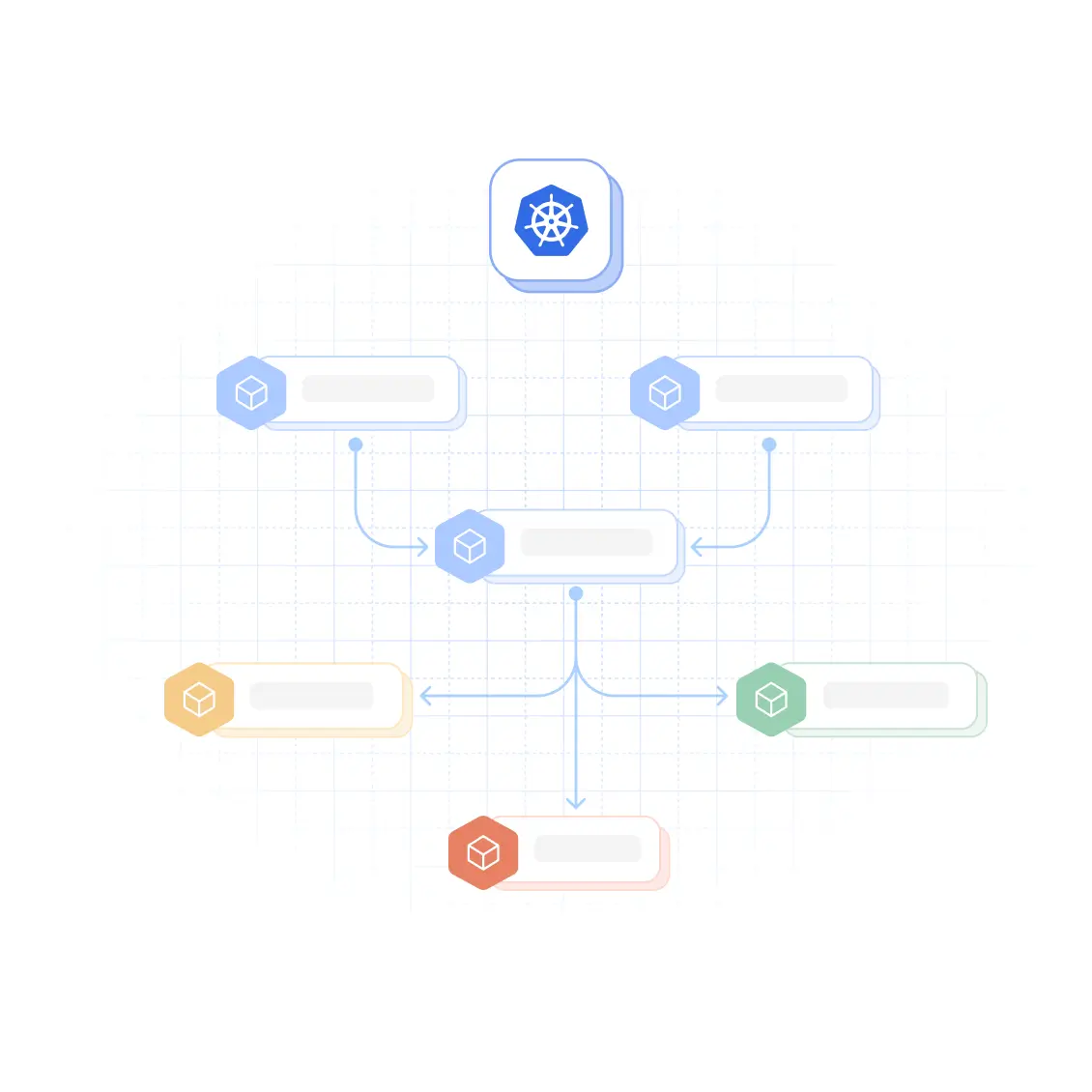
Gain deep insights into your Kubernetes clusters by visualizing workloads, nodes, resources, configurations, and dependencies down to individual Kubernetes objects. This granular visibility enables teams to understand their environment better and make informed decisions based on real-time data
Kubegrade Control Plane highlights unhealthy, risky, or misconfigured objects that require immediate attention. By providing early warnings, teams can address potential issues before they escalate, enhancing the overall reliability of their Kubernetes deployments.
Easily compare state, risk, and configuration patterns across multiple clusters and environments. This cross-cluster visibility empowers teams to identify trends, spot discrepancies, and understand how changes in one cluster may affect others, providing a wider context for operational management.
Kubegrade Control Plane surfaces visuals designed to support operational decisions rather than passive monitoring. Each visualization is crafted to facilitate quick and informed actions, ensuring that teams can effectively resolve issues as they arise and maintain cluster health.
See exactly where problems exist in your clusters before they escalate with Kubegrade Control Plane. By delivering a deep visualization layer that focuses on object-level insights, early warnings, and actionable views, Kubegrade enables your teams to manage their Kubernetes environments proactively and efficiently.
Kubegrade Control Plane is a visualization layer that exposes Kubernetes state at the object level, allowing teams to identify risks and take urgent actions.
This feature provides detailed insights into your clusters, visualizing workloads and configurations down to individual Kubernetes objects, which aids in informed decision-making.
This capability highlights unhealthy or misconfigured objects in your clusters, allowing teams to address potential issues promptly before they escalate into more serious problems.
By enabling comparisons across multiple clusters, teams can identify configuration patterns and discrepancies that impact overall operational strategy.
Action-oriented views are visuals designed to support proactive operational decisions, ensuring that teams do not passively monitor but actively manage their environments.
Comprehensive and centralized solution for data governance, and observability.