Trusted by platform teams running Kubernetes at scale
Manufacturing platforms often operate Kubernetes clusters across multiple regions and production environments. When incidents occur, engineers must manually correlate deployments, configuration changes, monitoring alerts, and infrastructure signals across different systems, slowing down troubleshooting.
Cluster upgrades and maintenance were handled manually across different teams and environments. Without standardized lifecycle workflows, upgrades were slow, error-prone, and frequently postponed due to operational risk.
As Kubernetes adoption expanded across business units, many developers began deploying workloads without deep Kubernetes expertise. Platform engineers became responsible for reviewing incidents, guiding troubleshooting, and maintaining operational discipline across clusters.
Kubegrade provides Kubernetes lifecycle automation and operational intelligence designed for manufacturing platforms, enabling global industrial teams to run resilient cloud infrastructure for smart factories, IoT workloads, and production analytics.
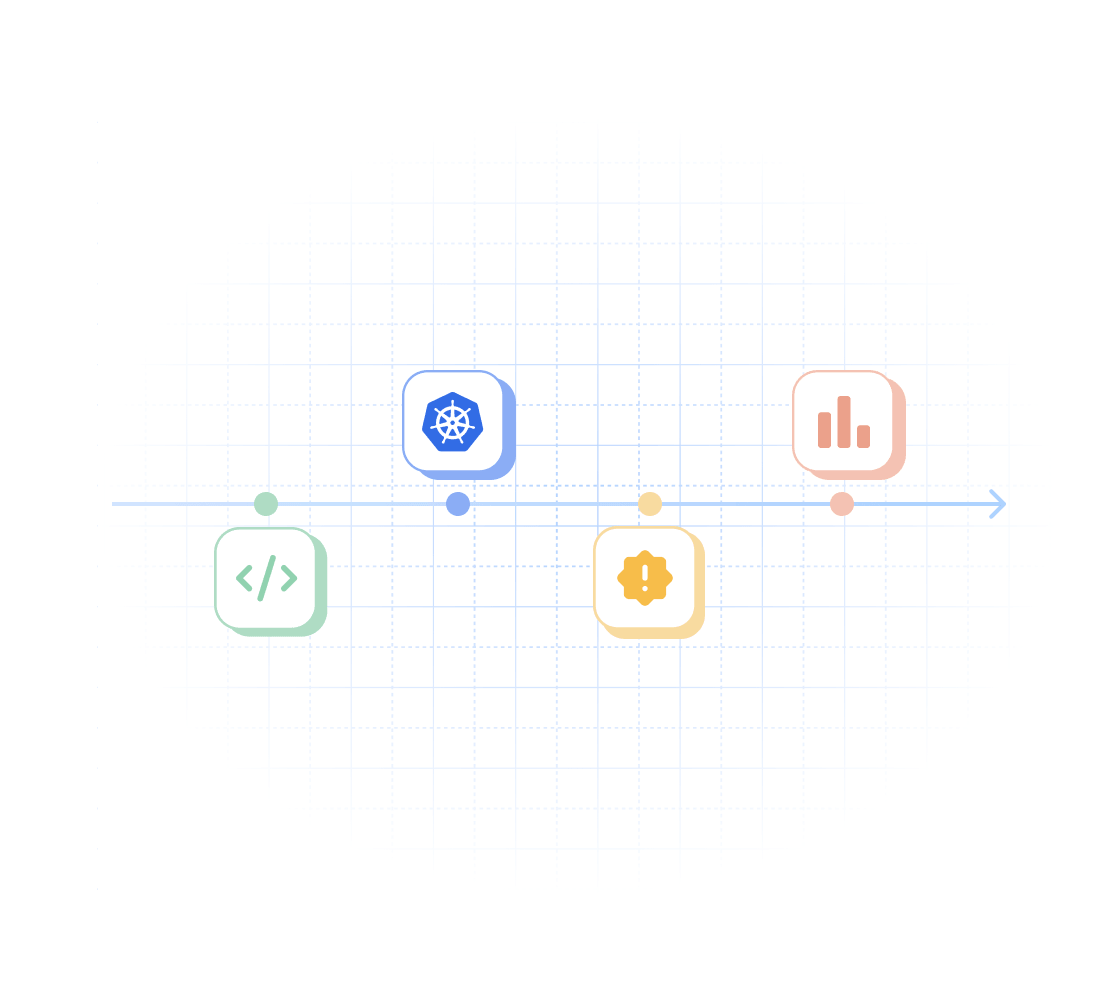
Kubegrade consolidated deployment changes, cluster events, infrastructure signals, and third-party telemetry into unified operational timelines that provided immediate context for engineers
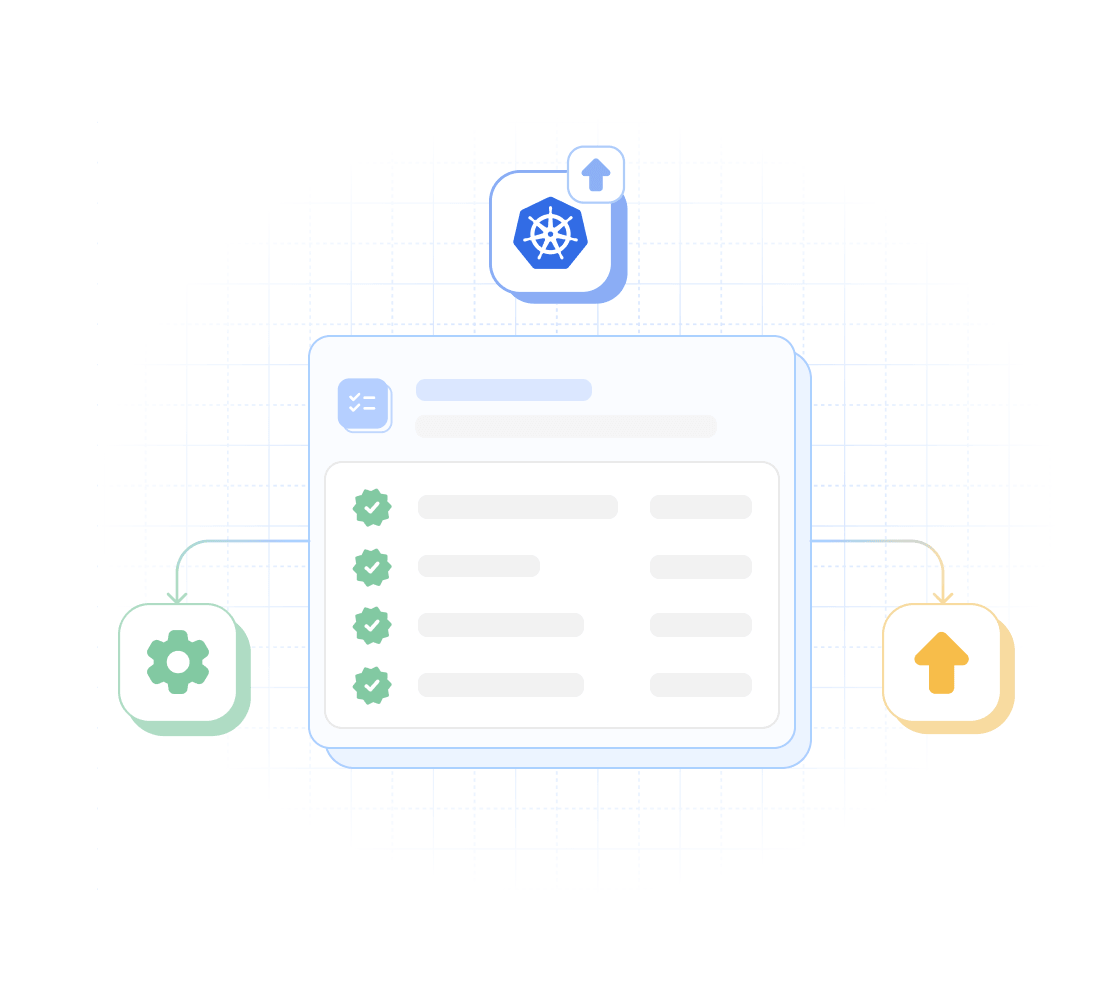
Maintenance workflows and upgrade processes were structured and automated, allowing clusters to be upgraded consistently across environments without relying on manual procedures.
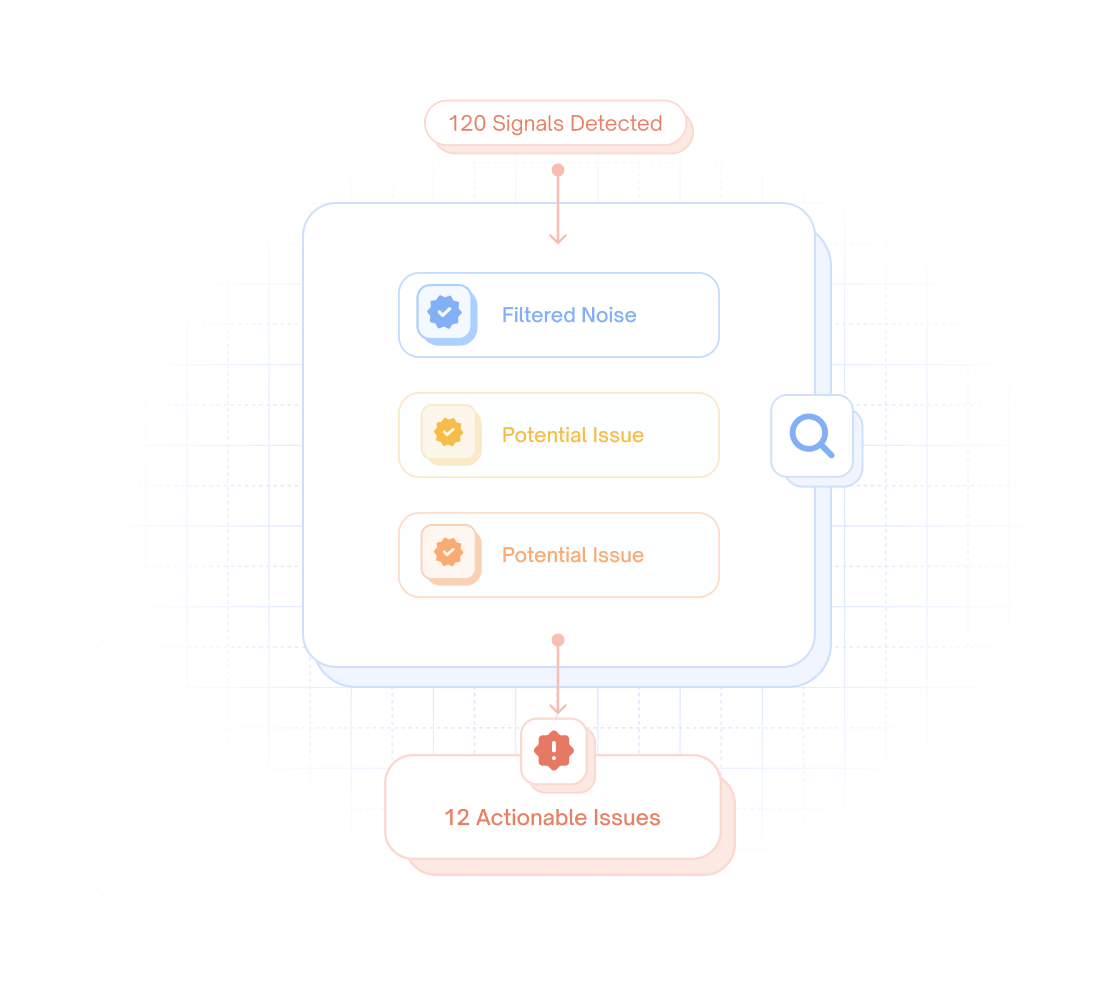
Automated lifecycle checks filtered operational noise and surfaced meaningful issues early, allowing teams to detect instability before it escalated into production incidents.
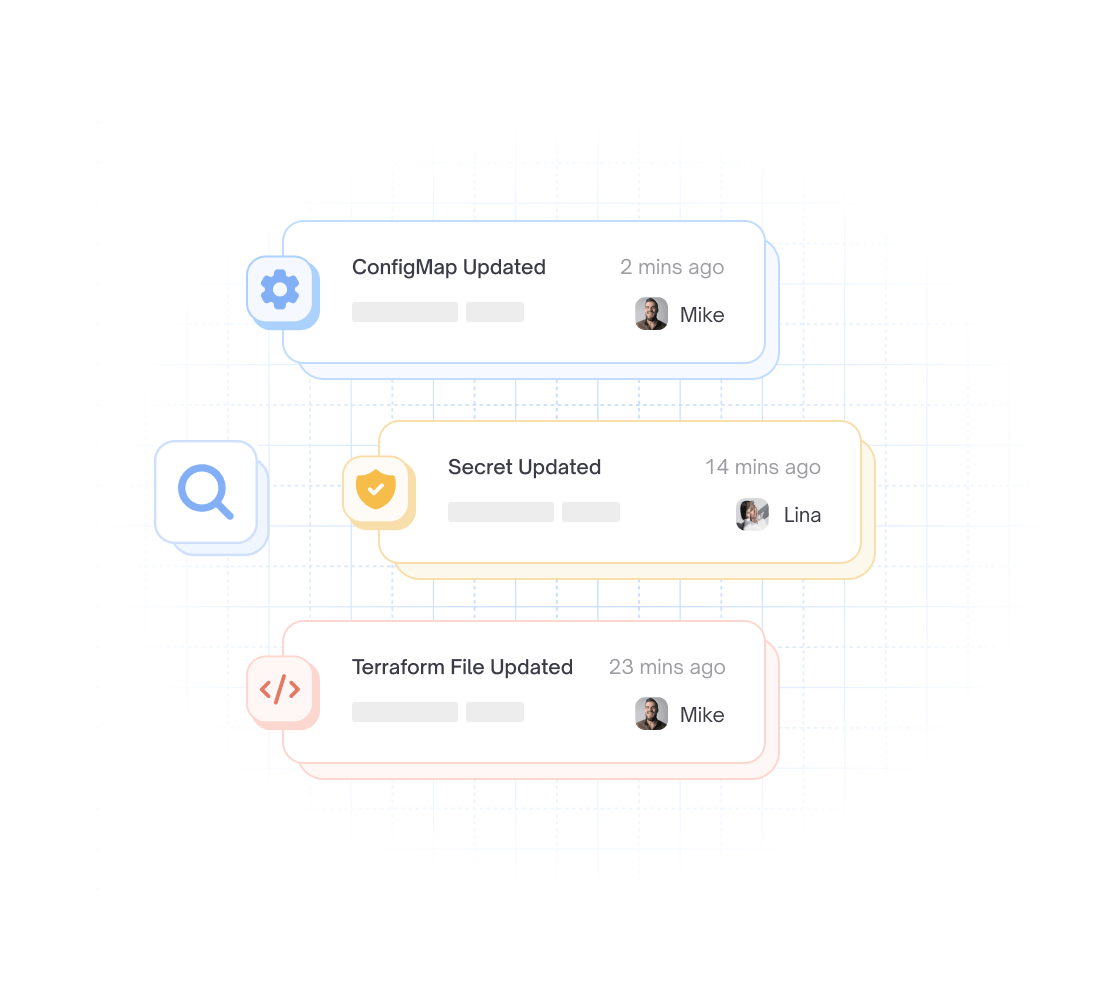
Updates to ConfigMaps, Secrets, and infrastructure-as-code resources were automatically tracked with full attribution, enabling faster root cause analysis and improved governance.
Developers gained structured insights explaining what changed and why, allowing them to diagnose issues independently without escalating every incident to the platform team.
Engineering teams gain centralized insight into cluster activity and infrastructure changes across distributed production environments.
Automated maintenance workflows reduce the operational risk associated with upgrades and platform changes.
Structured timelines and correlated operational signals enable teams to diagnose and resolve incidents significantly faster.
Yes. Kubegrade is designed for organizations operating Kubernetes across multiple regions and clusters. It centralizes operational intelligence from distributed environments, allowing engineering teams to monitor lifecycle events, configuration changes, and operational signals across the entire platform.
Kubegrade integrates with commonly used DevOps tooling including GitHub, Azure DevOps, Rancher, Flux, Argo CD, and infrastructure-as-code systems. It works alongside existing CI/CD pipelines and monitoring platforms rather than replacing them, adding an operational intelligence layer on top of existing infrastructure.
Kubegrade provides structured operational context by correlating deployments, configuration updates, health signals, and cluster events into clear timelines. Developers can quickly understand what changed before a problem occurred without needing deep Kubernetes expertise.
Yes. Kubegrade provides visibility into cluster lifecycle events and upgrade readiness, helping engineering teams standardize maintenance workflows across environments. This reduces manual processes and ensures cluster upgrades are executed consistently.
By providing developers with clear operational insights and contextual troubleshooting information, Kubegrade allows application teams to diagnose and resolve many issues independently. This reduces escalations to platform engineers and allows platform teams to focus on higher-level infrastructure improvements.
Comprehensive solution for Kubernetes Day-2 Operations