New

Data Evolves. Your Monitoring Should Too. Introducing Flexible Thresholds.

Cluster
Troubleshooting

Trusted by platform teams running Kubernetes at scale

No more firefighting

Context-Aware Issue Analysis

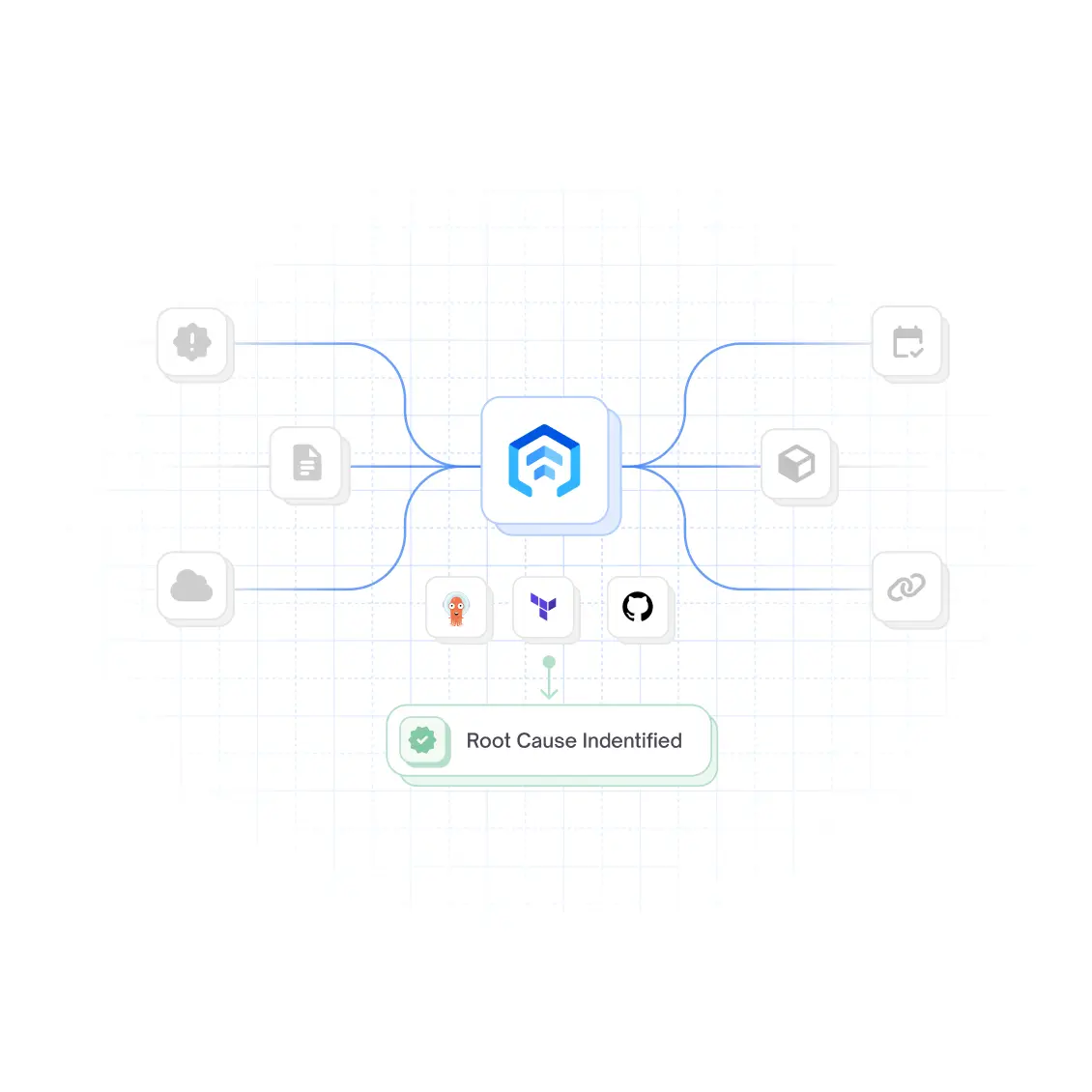
Kubegrade Diagnostics uses a powerful context-aware issue analysis approach, correlating alerts, events, logs, and cluster states to pinpoint root causes more swiftly. The context comes from the metadata collected by our read-only agent on the cluster, which provides critical insights. Additionally, Kubegrade is connected to Infrastructure as Code (IaC) systems and various external Management Control Plane (MCP) tools such as ArgoCD, Terraform, and GitHub. This integration enhances our ability to diagnose issues comprehensively,making it easier for engineers to solve problems efficiently.

Cross-Cluster Problem Detection

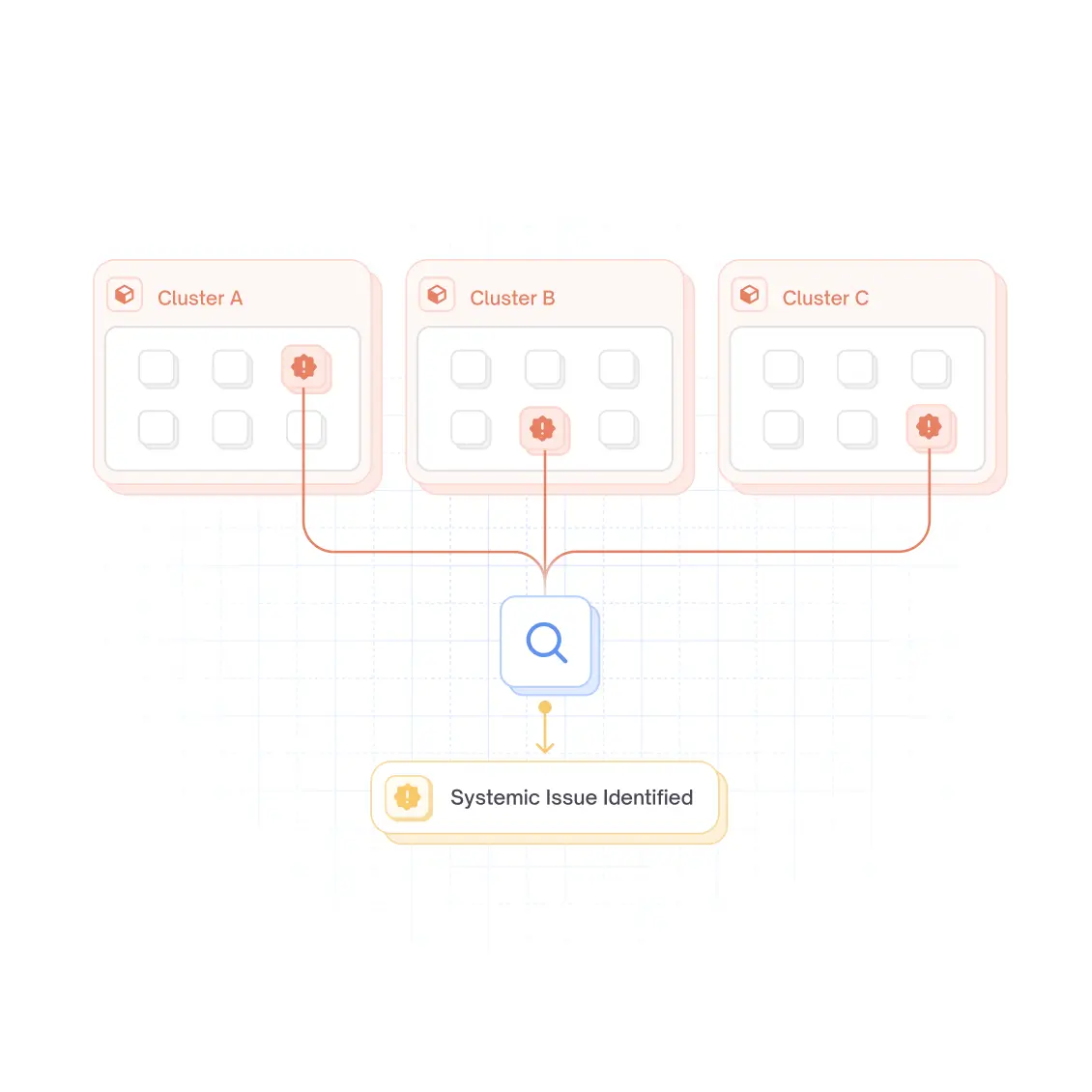
Easily identify recurring issues and shared failure patterns across multiple clusters with Kubegrade Diagnostics. This feature enhances your operational awareness by enabling teams to recognize systemic problems that may affect different environments, allowing for proactive management and resolution of issues before they escalate.

Task-Specific Automation

Reduce the time spent on repetitive investigation steps through task-specific automation. Kubegrade Diagnostics employs pre-defined diagnostic logic to ensure that routine checks and analyses are handled automatically. This capability frees up valuable engineering resources, allowing teams to focus on more critical tasks while still maintaining thorough troubleshooting processes

Human-in-the-Loop Controls

Our troubleshooting approach emphasizes a GitOps-centric workflow where issues are resolved through the generation of pull requests (PRs). This method allows for a structured and collaborative resolution process, reinforcing the human-in-the-loop approach. Engineers maintain final decision-making authority, ensuring that automation assists rather than overrides human judgement. By leveraging contextual data from our integrations, teams can make informed decisions while fostering accountability in the troubleshooting process.

Conclusion

Troubleshoot Kubernetes issues with clarity and precision, eliminating reliance on tribal knowledge. Kubegrade Diagnostics empowers your teams with structured workflows and advanced analysis tools that not only streamline problems but also enhance operational reliability, making the resolution process both efficient and scalable.

People are loving Kubegrade, see what you are missing

“We introduced Kubegrade across a few clusters during a recent upgrade cycle. What used to take days of manual checks and coordination was reduced to a structured workflow with clear visibility. The ability to generate pull requests for fixes instead of making direct changes gave our team a lot more confidence.”

— Head of Platform Engineering, Northbridge Financial

“Our environments are a mix of cloud and client-managed infrastructure, which usually makes standardization difficult. Kubegrade helped us get a consistent view of what’s actually running versus what’s defined in code. The drift detection alone surfaced issues we didn’t know we had.”

— DevOps Lead, Atlas Digital Systems

“We deal with constant alerts and troubleshooting requests from internal teams. Since using Kubegrade, we’ve been able to prioritize what actually matters and resolve issues faster. Having context tied to each problem, along with suggested fixes, has reduced a lot of back-and-forth between teams.”

— Site Reliability Engineer, VertexCloud Technologies

Frequently asked questions

What is Kubegrade Diagnostics?

Kubegrade Diagnostics is a structured troubleshooting layer that provides repeatable diagnosis workflows to efficiently resolve Kubernetes issues.

How does Context-Aware Issue Analysis work?

It uses metadata from our read-only agent to correlate alerts, events, logs, and cluster states, enabling a comprehensive understanding of the environment for faster root cause identification.

What benefits does Cross-Cluster Problem Detection offer?

This feature helps teams identify recurring issues and patterns across multiple clusters, facilitating proactive management of shared problems.

How does Task-Specific Automation improve troubleshooting?

It automates repetitive investigation steps using pre-defined diagnostic logic, saving time and allowing engineers to focus on more critical tasks.

What are Human-in-the-Loop Controls?

This approach surfaces findings while ensuring that engineers retain final decision-making authority through a GitOps workflow that generates pull requests for issue resolution, combining automation with human expertise.

Featured articles

All in one place

Comprehensive and centralized solution for data governance, and observability.