





Top Kubernetes Cluster Management Services: A Comprehensive Guide

by Tim
January 12, 2026
Managing Kubernetes (K8s) clusters can be complex. Kubernetes cluster management services simplify these operations, providing tools for automation, scaling, and security. These services help teams focus on development rather than infrastructure management. With the right service, businesses can improve application deployment, resource use, and overall system reliability.
This guide explores leading Kubernetes cluster management services. It highlights their features, benefits, and how they streamline K8s operations. The goal is to help businesses choose a service that fits their specific needs, enhancing scalability and security. This ensures efficient and effective K8s cluster management.
“`
Key Takeaways
- Kubernetes cluster management services simplify the complexities of running and maintaining Kubernetes clusters, allowing businesses to focus on development and innovation.
- Key features to look for in Kubernetes management services include automated deployment and scaling, monitoring and logging, security features like RBAC and network policies, and cost management tools.
- Amazon EKS, Google Kubernetes Engine (GKE), and Azure Kubernetes Service (AKS) are leading managed Kubernetes services, each with unique strengths, weaknesses, and ideal use cases depending on existing cloud infrastructure and business needs.
- Choosing the right Kubernetes management service involves assessing organizational size, technical expertise, budget constraints, security requirements, and desired level of control.
- Kubegrade offers a balance of simplicity, security, and adaptability, making it a viable option for businesses seeking to streamline Kubernetes operations.
Table of Contents
- Introduction to Kubernetes Cluster Management Services
- Key Features to Look for in Kubernetes Management Services
- Top Kubernetes Cluster Management Services: A Detailed Comparison
- Choosing the Right Kubernetes Management Service for Your Needs
- Conclusion: Streamlining Kubernetes Operations with the Right Service
- Frequently Asked Questions
Introduction to Kubernetes Cluster Management Services
Kubernetes has become vital for deploying applications in today’s world. It helps manage application deployment, scaling, and operations. Kubernetes cluster management services are tools and platforms that simplify the process of running and maintaining Kubernetes clusters. These services are important because they handle the difficulties of Kubernetes, allowing businesses to focus on development and innovation.
Managing Kubernetes clusters manually presents several challenges. These include the difficulty of configurations, problems in scaling applications, and potential security vulnerabilities. Without the right tools, businesses can struggle to keep their Kubernetes environments running efficiently and securely.
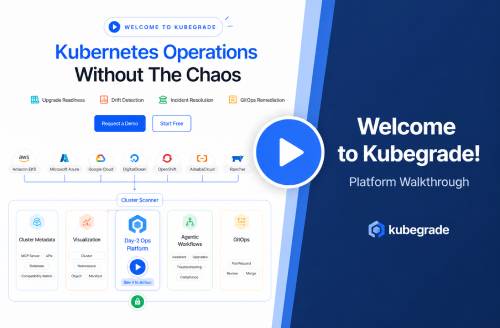
Kubegrade is a platform designed to simplify Kubernetes operations. It provides secure, adaptable, and automated K8s management, including monitoring, upgrades, and optimization. Kubegrade helps businesses overcome the challenges of managing Kubernetes, making sure their applications run smoothly.
This guide explores the leading Kubernetes cluster management services available. It offers insights into their features, benefits, and how they streamline K8s operations for better adaptability and security. By reading this guide, one can understand the top services and choose the right one for specific needs.
“`
Key Features to Look for in Kubernetes Management Services
When evaluating Kubernetes cluster management services, several key features can impact how well a business manages its K8s environment. These features help simplify operations, improve efficiency, and address common challenges.
- Automated Deployment and Scaling: Look for services that automate the deployment process and allow for easy scaling of applications. This helps reduce manual intervention and ensures applications can handle varying workloads. For example, automated scaling can prevent downtime during peak traffic by automatically adding resources as needed.
- Monitoring and Logging Capabilities: Comprehensive monitoring and logging are important for identifying and resolving issues quickly. Kubernetes cluster management services should offer tools to track cluster performance, monitor application health, and centralize logs. This enables teams to quickly diagnose problems and maintain a healthy environment.
- Security Features: Security is important when managing Kubernetes clusters. Services should include features like Role-Based Access Control (RBAC) and network policies to control access and protect sensitive data. RBAC helps restrict access to cluster resources based on user roles, while network policies define how pods communicate with each other, reducing the risk of unauthorized access.
- Cost Management Tools: Managing costs in Kubernetes environments can be complex. Kubernetes cluster management services should provide tools to track resource usage, identify cost optimization opportunities, and set budgets. This helps businesses control spending and avoid unexpected costs.
- Ease of Use and User Interface: A user-friendly interface is important for simplifying K8s operations. The service should be easy to navigate and provide clear insights into cluster performance. This reduces the learning curve and allows teams to manage their clusters more efficiently.
- Integration with Other DevOps Tools: Kubernetes cluster management services should integrate with other DevOps tools, such as CI/CD pipelines, monitoring systems, and configuration management tools. This allows for a seamless workflow and improves collaboration between teams.
- Support for Multi-Cloud or Hybrid Environments: Businesses often run Kubernetes clusters across multiple clouds or in hybrid environments. The service should support these deployments, allowing for consistent management and portability of applications.
These features play a significant role in simplifying K8s operations and improving overall efficiency. By carefully considering these aspects, businesses can choose the right Kubernetes cluster management services to meet their specific needs.
“`
Automated Deployment and Scaling
Automated deployment and scaling are critical in Kubernetes cluster management. These features streamline application deployment, decrease manual work, and help maintain high availability. By automating these processes, businesses can deploy applications faster and more reliably.
Automation simplifies the deployment process by using tools such as CI/CD pipelines. These pipelines automate the steps needed to build, test, and deploy applications, reducing the risk of human error and speeding up the release cycle. Auto-scaling policies automatically adjust the number of running application instances based on traffic or resource utilization. This ensures that applications can handle varying workloads without manual intervention.
Automated scaling is beneficial for handling traffic spikes. When traffic increases, the system automatically adds more resources to handle the load, preventing downtime and maintaining performance. It also optimizes resource utilization by scaling down resources during periods of low traffic, saving costs.
As part of the key features of Kubernetes management services, automated deployment and scaling provide the agility and efficiency needed to manage modern applications effectively.
“`
Monitoring, Logging, and Observability
Monitoring and logging play a vital role in maintaining the health and performance of Kubernetes clusters. They provide the insights needed to identify and address issues before they impact users. Observability, which encompasses monitoring, logging, and tracing, helps in knowing the internal state of the system.
Key metrics to monitor include CPU utilization, memory usage, network traffic, and disk I/O. Logs from applications, Kubernetes components, and the underlying infrastructure should also be collected and analyzed. Tools like Prometheus, Grafana, and Elasticsearch are commonly used for collecting, visualizing, and analyzing this data.
Observability helps in quickly identifying and resolving issues by providing a comprehensive view of the system. By correlating metrics, logs, and traces, teams can pinpoint the root cause of problems and take corrective actions. For example, if an application is experiencing high latency, monitoring can reveal that the CPU is being heavily utilized. Logging can then provide details on which code paths are causing the high CPU usage.
Effective monitoring and logging can improve application performance and reduce downtime. By identifying and addressing issues early, teams can prevent outages and ensure that applications are running smoothly. This is a key feature of Kubernetes cluster management services, enabling businesses to maintain a reliable and efficient K8s environment.
“`
Security Features: RBAC and Network Policies
Security is a key aspect of Kubernetes cluster management. Role-Based Access Control (RBAC) and network policies are two security features that help protect Kubernetes clusters from unauthorized access and potential threats.
RBAC controls access to Kubernetes resources by defining roles and permissions. It ensures that only authorized users can perform specific actions, such as creating, updating, or deleting resources. By assigning roles to users or groups, RBAC limits the blast radius of potential security breaches and helps maintain a secure environment. For example, a developer might have permission to deploy applications but not to modify cluster-wide configurations.
Network policies isolate applications and prevent unauthorized network traffic. They define rules that specify how pods can communicate with each other and with external networks. By default, all pods in a Kubernetes cluster can communicate freely. Network policies allow administrators to restrict this communication, reducing the risk of lateral movement by attackers. For instance, a network policy can prevent a compromised application from accessing sensitive data in another application.
These security features are important for protecting Kubernetes clusters from threats and vulnerabilities. They provide a layered defense that helps prevent unauthorized access, limit the impact of security breaches, and maintain the integrity of the cluster. Kubernetes cluster management services should offer strong support for RBAC and network policies to ensure a secure K8s environment.
“`
Top Kubernetes Cluster Management Services: A Detailed Comparison
This section provides a detailed comparison of the leading Kubernetes cluster management services. It covers key features, strengths, weaknesses, pricing, and ideal use cases for each platform. This comparison is designed to help businesses choose the right service based on their specific needs.
| Service | Key Features | Strengths | Weaknesses | Pricing Model | Ideal Use Cases |
|---|---|---|---|---|---|
| Amazon EKS | Managed Kubernetes service, integrates with AWS ecosystem, supports Fargate for serverless deployments. | High availability, adaptability, and integration with other AWS services. | Can be complex to configure, higher cost for some configurations. | Pay-as-you-go, based on cluster uptime and resources used. | Organizations heavily invested in the AWS ecosystem, requiring adaptable and highly available Kubernetes clusters. |
| Google Kubernetes Engine (GKE) | Managed Kubernetes service, integrates with Google Cloud Platform, offers advanced networking and security features. | Strong integration with GCP, automatic upgrades, and node auto-repair. | Limited customization options, vendor lock-in. | Pay-as-you-go, based on cluster uptime and resources used. | Businesses using Google Cloud Platform, needing automated management and advanced features. |
| Azure Kubernetes Service (AKS) | Managed Kubernetes service, integrates with Azure ecosystem, supports Windows Server containers. | Integration with Azure services, simplified deployment, and cost-effective options. | Potential vendor lock-in, some features lag behind AWS and GCP. | Pay-as-you-go, based on cluster uptime and resources used. | Organizations using Microsoft Azure, requiring integration with Azure services and Windows Server containers. |
These Kubernetes cluster management services offer different features and benefits. Choosing the right one depends on specific requirements, existing cloud infrastructure, and budget considerations. Each service provides tools and capabilities to simplify K8s operations and improve overall efficiency.
“`
Amazon Elastic Kubernetes Service (EKS)
Amazon Elastic Kubernetes Service (EKS) is a managed Kubernetes service that simplifies running Kubernetes on AWS. It offers a range of features designed to make deploying and managing containerized applications easier.
Key features of EKS include a managed control plane, which automates tasks like patching, scaling, and upgrading the Kubernetes control plane. It integrates with other AWS services, such as VPC, IAM, and CloudWatch, providing a unified management experience. EKS also supports various networking options, including AWS VPC networking and custom networking solutions.
EKS has several strengths. It offers adaptability, reliability, and security. The service is designed to scale to handle large workloads and provides high availability through its managed control plane. EKS integrates with AWS IAM for authentication and authorization, providing secure access to Kubernetes resources.
However, EKS also has weaknesses. It can be complex to configure, especially for users unfamiliar with AWS. The cost can be higher compared to other Kubernetes cluster management services, depending on the configuration and usage patterns.
EKS follows a pay-as-you-go pricing model, based on cluster uptime and the resources used by worker nodes. It is ideally suited for organizations heavily invested in the AWS ecosystem, requiring a adaptable and highly available Kubernetes platform to deploy containerized applications.
Compared to other Kubernetes cluster management services, EKS offers tight integration with AWS services, which can be an advantage for AWS users. However, its complexity and cost may be a disadvantage for those looking for a simpler or more cost-effective solution.
“`
Google Kubernetes Engine (GKE)
Google Kubernetes Engine (GKE) is a managed Kubernetes service that simplifies the deployment and management of containerized applications on Google Cloud. It offers a range of features designed to make Kubernetes more accessible and easier to use.
Key features of GKE include a managed control plane, which automates the management of the Kubernetes control plane. It integrates with Google Cloud services, such as Compute Engine, Cloud Storage, and Cloud Networking, providing a unified management experience. GKE also offers advanced networking capabilities, including support for VPC-native clusters and network policy enforcement.
GKE has several strengths. It is known for its ease of use, adaptability, and innovation. The service simplifies Kubernetes operations and provides automatic upgrades and node auto-repair. GKE also offers features like preemptible VMs and cost optimization tools.
However, GKE also has weaknesses. It can lead to vendor lock-in, as it is tightly integrated with Google Cloud. The cost can also be a concern, depending on the configuration and usage patterns.
GKE follows a pay-as-you-go pricing model, based on cluster uptime and the resources used by worker nodes. It is ideally suited for businesses using Google Cloud Platform, needing automated management and advanced features to run containerized workloads.
Compared to other Kubernetes cluster management services, GKE offers strong integration with Google Cloud and innovative features. However, its potential for vendor lock-in and cost may be a disadvantage for those seeking a more flexible or cost-effective solution.
“`
Azure Kubernetes Service (AKS)
Azure Kubernetes Service (AKS) is a managed Kubernetes service that simplifies the deployment, management, and scaling of containerized applications on Azure. It provides a comprehensive platform for running Kubernetes without the complexity of managing the underlying infrastructure.
Key features of AKS include a managed control plane, which handles critical tasks like health monitoring and upgrades. It integrates with other Azure services, such as Azure Virtual Machines, Azure Networking, and Azure Monitor, to provide a seamless experience. AKS also supports hybrid environments, allowing businesses to deploy and manage Kubernetes clusters across Azure and on-premises datacenters.
AKS has several strengths, including adaptability, security, and cost-effectiveness. It offers the ability to quickly scale applications to meet changing demands. AKS integrates with Azure Active Directory for identity and access management and provides advanced security features to protect containerized workloads. It also offers cost-saving options, such as reserved instances and spot VMs.
However, AKS also has weaknesses. It can be complex to configure and manage, especially for users unfamiliar with Azure. It also offers limited customization options compared to self-managed Kubernetes clusters.
AKS follows a pay-as-you-go pricing model, based on the compute, storage, and networking resources consumed by the cluster. It is ideally suited for organizations using Microsoft Azure, requiring integration with Azure services and a adaptable platform for deploying containerized applications.
Compared to other Kubernetes cluster management services, AKS offers tight integration with Azure services and a focus on hybrid environments. However, its complexity and limited customization may be a drawback for those seeking a simpler or more flexible solution.
“`
Choosing the Right Kubernetes Management Service for Your Needs
Selecting the right Kubernetes cluster management service is important for the success of containerized applications. The choice depends on specific business requirements, technical expertise, and budget. Here?s a step-by-step guide to help one make the right decision.
- Assess Your Organization’s Size and Structure: Smaller organizations might prefer a service that offers ease of use and simplified management. Larger enterprises may need more adaptable and feature-rich platforms.
- Evaluate Technical Expertise: Consider the level of Kubernetes knowledge within the team. If the team is new to Kubernetes, a managed service with strong support and documentation is beneficial.
- Define Budget Constraints: Kubernetes cluster management services vary in price. Understand the pricing models and choose a service that fits with the budget. Consider long-term costs, including infrastructure, support, and training.
- Determine Security Requirements: Security is important. Evaluate the security features offered by different services, such as RBAC, network policies, and compliance certifications. Ensure the chosen service meets the organization’s security standards.
- Decide on the Desired Level of Control: Some services offer more control over the underlying infrastructure, while others abstract away much of the complexity. Determine the level of control needed and choose a service that provides the right balance.
Use this checklist to assess needs:
- What is the size of the organization?
- What is the level of Kubernetes expertise within the team?
- What is the budget for Kubernetes management?
- What are the security requirements?
- What level of control is needed over the infrastructure?
Kubegrade can be a strong option for businesses seeking a balance of simplicity, security, and adaptability. It simplifies K8s operations while providing the necessary tools to manage and secure clusters effectively. For organizations that value ease of use and comprehensive security, Kubegrade offers a viable solution.
Choosing the right Kubernetes cluster management services requires careful consideration of these factors. By assessing specific needs and evaluating the available options, businesses can select a service that supports their goals and drives success with Kubernetes.
“`
Assess Your Organization’s Needs and Requirements
Before selecting a Kubernetes management service, it’s important to assess the specific needs and requirements of the organization. This assessment helps narrow down the options and ensures the chosen service matches with the business goals. Consider the following factors:
- Size of the Organization: Smaller organizations may need simpler, more user-friendly solutions. Larger enterprises might require more adaptable and feature-rich platforms.
- Complexity of Applications: Complex applications with diverse requirements may need services that offer advanced networking, security, and management capabilities. Simpler applications may be well-suited for more basic services.
- Level of Technical Expertise: The level of Kubernetes expertise within the team impacts the choice of service. If the team is new to Kubernetes, a managed service with strong support and documentation is beneficial.
- Compliance and Regulatory Requirements: Organizations operating in regulated industries may need services that comply with specific standards, such as HIPAA or PCI DSS.
Use this checklist to gather information systematically:
- What is the size of the organization?
- How complex are the applications?
- What level of Kubernetes expertise is available?
- Are there specific compliance or regulatory requirements?
Knowing these needs is important before evaluating different Kubernetes management services. This ensures that the chosen service meets the organization’s specific requirements and supports its goals effectively. By carefully assessing these factors, businesses can make an informed decision and select the right Kubernetes management service for their needs.
“`
Evaluate Technical Expertise and Resources
Evaluating the technical expertise and resources available within the organization is important when choosing a Kubernetes management service. The skills and experience of the team, the availability of training and support, and the need for specialized tools all impact the choice.
Consider the following aspects:
- Skills and Experience of the Team: Assess the team’s knowledge of Kubernetes, containerization, and related technologies. Determine their ability to manage, troubleshoot, and optimize Kubernetes clusters.
- Availability of Training and Support: Check if the team has access to training resources, documentation, and support channels. Some Kubernetes management services offer extensive support programs, while others rely on community-based resources.
- Need for Specialized Tools or Services: Determine if the organization requires specialized tools for monitoring, logging, security, or cost management. Some Kubernetes management services include these tools, while others require integration with third-party solutions.
The level of technical expertise can influence the choice of Kubernetes management service. If the team has limited Kubernetes experience, a user-friendly service with automated features and comprehensive support is beneficial. More experienced teams may prefer services that offer greater flexibility and control.
To assess the organization’s technical capabilities, consider conducting skills assessments, reviewing past projects, and gathering feedback from team members. Identify any gaps that need to be addressed through training, hiring, or outsourcing.
This evaluation is a key step in selecting the most suitable Kubernetes management service. By knowing the organization’s technical capabilities and resources, one can choose a service that corresponds with their skills and supports their goals effectively.
“`
Consider Budget and Cost Optimization
Budget constraints are a significant factor when selecting a Kubernetes management service. Optimizing costs ensures that the investment in Kubernetes corresponds with the organization’s financial goals. Here?s how to consider budget and optimize costs:
- Understand Pricing Models: Kubernetes management services offer various pricing models, including pay-as-you-go, reserved instances, and spot instances. Pay-as-you-go provides flexibility but can be more expensive for consistent workloads. Reserved instances offer cost savings for long-term commitments. Spot instances provide significant discounts but can be interrupted with little notice.
- Estimate Costs: Estimate the costs of running Kubernetes clusters on different platforms. Consider factors such as compute resources (CPU, memory), storage, networking, and support. Use pricing calculators provided by cloud providers to get an estimate.
- Optimize Resource Utilization: Right-size resources to match the actual needs of the applications. Avoid over-provisioning, which leads to wasted resources. Monitor resource usage and adjust allocations accordingly.
- Automate Scaling: Implement auto-scaling to automatically adjust the number of running instances based on traffic or resource utilization. This ensures that resources are only used when needed, reducing costs during periods of low activity.
- Use Cost Management Tools: Use cost management tools provided by Kubernetes management services to track spending, identify cost optimization opportunities, and set budgets. These tools provide insights into resource usage and help control costs.
By carefully considering budget constraints and implementing cost optimization strategies, businesses can maximize the value of their Kubernetes investment. This is a key factor in selecting the right Kubernetes management service based on business requirements.
“`
Conclusion: Streamlining Kubernetes Operations with the Right Service
Kubernetes cluster management services offer several benefits for simplifying K8s operations, enhancing adaptability, and improving security. These services automate complex tasks, provide tools for monitoring and management, and help businesses optimize resource utilization. Choosing a service that corresponds with specific business needs and technical capabilities is important for maximizing the value of Kubernetes.
Kubegrade offers a distinct advantage by providing a balance of simplicity, security, and adaptability. It simplifies Kubernetes operations and offers the tools needed to manage and secure clusters effectively.
Explore Kubegrade further or begin evaluating the current Kubernetes management strategy. The right Kubernetes cluster management services can transform how businesses deploy and manage containerized applications, leading to increased efficiency and innovation.
“`

