





Kubernetes Load Balancing: A Comprehensive Guide

by Tim
December 20, 2025
Kubernetes load balancing is key for efficiently distributing network traffic across application instances. It ensures high availability and responsiveness, preventing any single instance from becoming a bottleneck. Load balancing in Kubernetes comes in different forms, each suited for specific use cases. By implementing load balancing, applications can maintain optimal performance and reliability.
This guide explores the core concepts, types, and strategies for Kubernetes load balancing. It covers both internal and external load balancing methods, offering practical insights into managing traffic within a Kubernetes cluster and from external sources. Knowing these principles is key to building resilient applications with Kubernetes.
“`
Key Takeaways
- Kubernetes load balancing distributes network traffic across multiple servers to ensure high availability, scalability, and optimal performance.
- Key Kubernetes concepts for load balancing include Pods (application containers), Services (stable IP and DNS for Pod access), and Ingress (manages external access to Services).
- Kubernetes offers three Service types: ClusterIP (internal access), NodePort (external access via node’s IP), and LoadBalancer (external access via cloud provider’s load balancer).
- Internal load balancing manages traffic within the cluster, while external load balancing manages traffic from outside the cluster.
- Cloud provider load balancers (AWS ELB, Google Cloud Load Balancer, Azure Load Balancer) and Ingress controllers (Nginx, Traefik) are common tools for implementing Kubernetes load balancing.
- Best practices for Kubernetes load balancing include implementing effective health checks, using session affinity judiciously, and employing traffic shaping techniques.
- Monitoring key metrics like request latency, error rate, and resource utilization is crucial for troubleshooting and maintaining optimal load balancing performance.
Table of Contents
Introduction to Kubernetes Load Balancing
Kubernetes (K8s) has become a cornerstone of modern application deployment, offering a strong platform for managing containerized applications at scale. Its ability to automate deployment, scaling, and operations of application containers across clusters of hosts makes it invaluable for DevOps engineers, system administrators, and developers.
Load balancing is a key aspect of Kubernetes. It distributes network traffic across multiple servers to ensure that no single server is overwhelmed. This distribution is critical for maintaining high availability, enabling applications to remain accessible even if some servers fail. Load balancing also improves scalability by allowing applications to handle increased traffic loads by distributing the load across multiple servers. Optimal performance is achieved through efficient resource utilization and reduced response times.
This guide provides a complete view of Kubernetes load balancing concepts, types, and implementation strategies. It aims to equip DevOps engineers, system administrators, and developers with the knowledge to effectively manage traffic distribution within their K8s clusters.
The guide will cover both internal and external load balancing. Internal load balancing manages traffic within the cluster, while external load balancing manages traffic from outside the cluster.
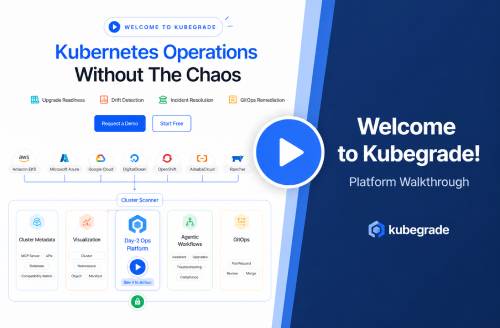
Solutions like Kubegrade simplify Kubernetes cluster management, making load balancing and other operational tasks easier. Kubegrade is a platform designed for secure, adaptable, and automated K8s operations, providing capabilities for monitoring, upgrades, and optimization.
“`
Grasping Load Balancing Concepts in Kubernetes
To grasp Kubernetes load balancing, it’s important to know a few core concepts. These include Services, Pods, and Ingress, which work together to manage and distribute traffic within a Kubernetes cluster.
- Pods: These are the smallest deployable units in Kubernetes, typically containing one or more containers. Pods are ephemeral, meaning they can be created or destroyed, and their IP addresses can change.
- Services: A Kubernetes Service is an abstraction that defines a logical set of Pods and a policy by which to access them. Services provide a stable IP address and DNS name for accessing Pods, regardless of their individual IP addresses. They act as a load balancer, distributing traffic across the Pods that back the service.
- Ingress: This is an API object that manages external access to the Services in a cluster, typically via HTTP. Ingress can provide load balancing, SSL termination, and name-based virtual hosting.
Kubernetes Services are central to enabling load balancing across multiple Pods. A Service sits in front of a set of Pods and distributes traffic to them. This ensures that traffic is spread evenly across the available Pods, preventing any single Pod from being overwhelmed.
Service Types and Use Cases
Kubernetes offers several service types, each designed for different use cases:
- ClusterIP: This is the default service type. It exposes the Service on a cluster-internal IP address. This type is only reachable from within the cluster. ClusterIP is suitable for internal applications that need to communicate with each other.
- NodePort: This exposes the Service on each node’s IP address at a static port. A ClusterIP Service is automatically created to route to the NodePort Service. NodePort allows external traffic to access the Service, but it typically requires an external load balancer to route traffic to the nodes.
- LoadBalancer: This exposes the Service externally using a cloud provider’s load balancer. The cloud provider provisions a load balancer that routes traffic to the NodePort Services running on the nodes. This is the most common way to expose Services to the internet.
Traffic flow in Kubernetes load balancing typically involves external clients accessing a Service through its IP address or DNS name. The Service then distributes the traffic to one of the backing Pods. For external access, an Ingress controller can be used to manage routing rules and SSL termination.
Even traffic distribution is important to prevent overload and ensure consistent performance. By distributing traffic evenly across Pods, Kubernetes helps maintain application stability and responsiveness, providing a better user experience.
“`
Key Kubernetes Concepts: Services, Pods, and Ingress
To effectively manage load balancing in Kubernetes, a foundational knowledge of Services, Pods, and Ingress is needed. These components are the building blocks of how Kubernetes manages and routes traffic.
- Pods: Think of Pods as individual containers or groups of containers that run your application. They are the smallest units that can be deployed and managed in Kubernetes. A Pod is like a single apartment in a building; it houses everything needed to run a specific part of your application.
- Services: A Service is an abstraction that defines a logical set of Pods and a way to access them. Because Pods are ephemeral (they can be created and destroyed), Services provide a stable IP address and DNS name. Imagine a Service as the building’s front desk: it directs traffic to the correct apartment (Pod) without clients needing to know the specific apartment number.
- Ingress: An Ingress is an API object that manages external access to Services in the cluster, typically via HTTP. It acts as a traffic controller, allowing you to route external requests to different Services based on the hostname or path. Think of Ingress as the city’s traffic controller, directing incoming traffic to the correct building (Service) based on the address.
In essence, Pods are where your applications run, Services provide a stable way to access those applications, and Ingress manages external access to those Services. Grasping these components is crucial for grasping how load balancing operates within a Kubernetes environment.
“`
Kubernetes Service Types: ClusterIP, NodePort, and LoadBalancer
Kubernetes offers three primary Service types, each designed to expose applications in different ways. Knowing these types is crucial for implementing effective load balancing.
- ClusterIP
- Purpose: Exposes the Service on a cluster-internal IP address. This makes the Service only accessible from within the cluster.
- How it Works: Kubernetes assigns a virtual IP address to the Service, and traffic to this IP is routed to the backing Pods.
- Use Cases: Ideal for internal applications that need to communicate with each other but don’t need to be exposed externally.
- Advantages: Simple to set up, provides internal load balancing.
- Disadvantages: Not accessible from outside the cluster.
- NodePort
- Purpose: Exposes the Service on each node’s IP address at a static port (NodePort).
- How it Works: Kubernetes reserves a port on each node (typically in the range of 30000-32767) and forwards traffic to the Service. A ClusterIP Service is automatically created to route to the NodePort Service.
- Use Cases: Allows external access to the Service without requiring a cloud provider’s load balancer. Useful for development, testing, or when a cloud load balancer is not available.
- Advantages: Allows direct access to the Service from outside the cluster.
- Disadvantages: Requires opening a port on each node, which can be a security concern. Also, the port number may not be standard (e.g., 80 or 443).
- LoadBalancer
- Purpose: Exposes the Service externally using a cloud provider’s load balancer.
- How it Works: Kubernetes requests a load balancer from the cloud provider, which then routes traffic to the NodePort Services running on the nodes. The cloud provider manages the load balancer’s configuration and scaling.
- Use Cases: The most common way to expose Services to the internet. Suitable for production environments where high availability and scalability are required.
- Advantages: Provides automatic load balancing, SSL termination, and other advanced features.
- Disadvantages: Depends on a cloud provider, can be more complex to set up, and may incur additional costs.
In short, ClusterIP is for internal communication, NodePort is for simple external access, and LoadBalancer is for production-grade external access. The choice depends on the specific requirements of your application and environment.
“`
How Kubernetes Services Enable Load Balancing
Kubernetes Services are key for load balancing traffic across multiple Pods. They act as a single point of access for a group of Pods, abstracting away the complexity of individual Pod IP addresses and making sure that traffic is distributed efficiently.
When a Service is created, it uses selectors to identify which Pods it should target. Selectors are key-value pairs that match labels on Pods. For example, a Service might select Pods with the labels app=my-app and tier=backend. Kubernetes continuously monitors Pods and updates the Service’s endpoint list based on these selectors.
Endpoints are the actual IP addresses and ports of the Pods that the Service will route traffic to. Kubernetes automatically updates the endpoint list as Pods are created, deleted, or become unhealthy. This updating ensures that the Service always routes traffic to healthy, available Pods.
When a client sends a request to the Service, Kubernetes uses its internal load balancing mechanisms to distribute the traffic to one of the Pods in the endpoint list. The default load balancing algorithm is a simple round-robin, which distributes traffic evenly across the Pods. However, Kubernetes also supports other load balancing algorithms, such as session affinity, which ensures that requests from the same client are always routed to the same Pod.
For example, consider a Service that fronts three Pods running a web application. When a user accesses the Service, Kubernetes might route the first request to Pod 1, the second request to Pod 2, and the third request to Pod 3. This distribution makes sure that no single Pod is overwhelmed, maintaining high availability and optimal performance.
Proper Service configuration is important for effective load balancing. This includes defining appropriate selectors, configuring health checks to make sure that only healthy Pods receive traffic, and choosing the right load balancing algorithm for your application’s needs. Without proper configuration, the Service may not distribute traffic evenly, leading to performance issues or downtime.
“`
Internal vs. External Load Balancing
In Kubernetes, load balancing comes in two main forms: internal and external. Each serves a distinct purpose and operates within different scopes.
Internal load balancing distributes traffic within the Kubernetes cluster. It enables communication between different microservices or components running inside the cluster. For example, if one microservice needs to communicate with another, it can do so through an internal load balancer. This makes sure that the traffic is distributed evenly across the available instances of the target microservice.
External load balancing, conversely, manages traffic from outside the Kubernetes cluster. It exposes applications to the outside world, allowing users to access them via the internet. External load balancing is typically achieved using cloud provider load balancers or Ingress controllers. Cloud provider load balancers are provisioned and managed by the cloud provider, while Ingress controllers are software-based load balancers that run within the cluster.
Here are some scenarios where each type of load balancing is most appropriate:
- Internal Load Balancing:
- Communication between backend services
- Accessing databases or message queues from within the cluster
- Routing traffic between different components of a multi-tier application
- External Load Balancing:
- Exposing web applications to the internet
- Providing access to APIs for external clients
- Routing traffic to different services based on hostname or path (using Ingress)
Solutions like Kubegrade can assist in managing both internal and external load balancing configurations. Kubegrade simplifies the process of setting up and configuring load balancers, making it easier to make sure that applications are accessible and highly available.
“`
Internal Load Balancing in Detail
Internal load balancing in Kubernetes is designed to manage traffic flow within the cluster. It plays a key role in enabling communication between microservices, backend services, and other internal components, making sure efficient and reliable interactions.
One common use case for internal load balancing is routing traffic between different tiers of an application. For example, a web application might have a frontend tier, a backend API tier, and a database tier. Internal load balancing can be used to distribute traffic between the frontend and backend tiers, as well as between the backend tier and the database tier. This makes sure that no single instance of a tier is overwhelmed, and that the application remains responsive.
Another use case is enabling service discovery. Microservices often need to discover and communicate with each other. Internal load balancing, combined with Kubernetes’ DNS service, allows microservices to find each other by name and route traffic accordingly. This simplifies the process of building and deploying distributed applications.
Using internal load balancing offers several advantages. It improves performance by distributing traffic across multiple instances of a service, reducing latency and increasing throughput. It also improves security by keeping traffic within the cluster, minimizing the attack surface. Also, it simplifies application deployment and management by abstracting away the complexity of individual Pod IP addresses.
To configure internal load balancing, one can create a Kubernetes Service of type ClusterIP. This Service will be assigned a cluster-internal IP address and DNS name, which can be used by other services within the cluster to access the backend Pods. The Service uses selectors to identify the Pods it should target and automatically updates its endpoint list as Pods are created or deleted.
For example, the following YAML configuration defines a Service that load balances traffic across Pods with the label app: my-app:
apiVersion: v1 kind: Service metadata: name: my-app-service spec: selector: app: my-app ports: - protocol: TCP port: 80 targetPort: 8080 type: ClusterIP This Service will distribute traffic evenly across all Pods with the label app: my-app, making sure that the application remains available and responsive.
“`
External Load Balancing in Detail
External load balancing in Kubernetes makes applications accessible to clients outside the cluster. It manages incoming traffic from the internet, distributing it across the appropriate services within the cluster.
There are two primary methods for implementing external load balancing:
- Cloud Provider Load Balancers: When running Kubernetes on a cloud platform (like AWS, Azure, or Google Cloud), you can use the cloud provider’s load balancer. Kubernetes integrates with the cloud provider to automatically provision and configure a load balancer that routes traffic to your Services. This is typically done by creating a Service of type
LoadBalancer. - Ingress Controllers: Ingress controllers are software-based load balancers that run within the Kubernetes cluster. They use Ingress resources to define how external traffic should be routed to different Services. Ingress controllers are more flexible than cloud provider load balancers, as they can be customized and extended to support various features, such as SSL termination, URL rewriting, and traffic shaping.
Each method has its advantages and disadvantages:
- Cloud Provider Load Balancers:
- Advantages: Simple to set up, automatically managed by the cloud provider, highly available.
- Disadvantages: Can be more expensive than Ingress controllers, limited customization options, vendor-specific.
- Ingress Controllers:
- Advantages: More flexible and customizable, can be used across multiple cloud providers, cost-effective.
- Disadvantages: More complex to set up and manage, requires more manual configuration, can introduce additional points of failure.
To configure external load balancing using a cloud provider load balancer, you would typically create a Service of type LoadBalancer. Kubernetes will then request a load balancer from the cloud provider and configure it to route traffic to the Service’s NodePort. For example:
apiVersion: v1 kind: Service metadata: name: my-app-service spec: selector: app: my-app ports: - protocol: TCP port: 80 targetPort: 8080 type: LoadBalancer To configure external load balancing using an Ingress controller, you would first need to deploy an Ingress controller (such as Nginx Ingress Controller or Traefik) to your cluster. Then, you would create an Ingress resource that defines how traffic should be routed to your Services. For example:
apiVersion: networking.k8s.io/v1 kind: Ingress metadata: name: my-app-ingress spec: rules: - host: myapp.example.com http: paths: - path: / backend: serviceName: my-app-service servicePort: 80 Security considerations are important when exposing applications to the outside world. It’s important to configure firewalls, network policies, and other security measures to protect your applications from unauthorized access. Also, it’s important to use HTTPS to encrypt traffic between clients and your applications.
“`
Use Cases and Examples for Each Type
To illustrate the practical application of internal and external load balancing, consider the following use cases:
Internal Load Balancing Use Case: Microservice Communication
Scenario: A distributed application consists of several microservices that need to communicate with each other within the Kubernetes cluster. For example, an e-commerce application might have separate microservices for handling user authentication, product catalog, and order processing.
Requirements:
- Efficient and reliable communication between microservices.
- Service discovery: Microservices need to be able to find and communicate with each other.
- Load distribution: Traffic should be distributed evenly across multiple instances of each microservice to make sure high availability and performance.
Solution: Use internal load balancing with Kubernetes Services of type ClusterIP.
Configuration Example:
apiVersion: v1 kind: Service metadata: name: product-catalog-service spec: selector: app: product-catalog ports: - protocol: TCP port: 80 targetPort: 8080 type: ClusterIP In this example, the product-catalog-service Service will load balance traffic across all Pods with the label app: product-catalog. Other microservices can then communicate with the product catalog microservice by using the Service’s DNS name (e.g., product-catalog-service.default.svc.cluster.local).
Benefits:
- Simplified microservice communication.
- Automatic service discovery.
- Improved performance and availability.
External Load Balancing Use Case: Exposing a Web Application
Scenario: A web application needs to be exposed to external clients via the internet.
Requirements:
- Publicly accessible endpoint for the web application.
- Load distribution: Traffic should be distributed evenly across multiple instances of the web application to handle high traffic loads.
- SSL termination: HTTPS should be used to encrypt traffic between clients and the web application.
Solution: Use external load balancing with a cloud provider load balancer or an Ingress controller.
Configuration Example (Cloud Provider Load Balancer):
apiVersion: v1 kind: Service metadata: name: web-app-service spec: selector: app: web-app ports: - protocol: TCP port: 80 targetPort: 8080 type: LoadBalancer In this example, Kubernetes will request a load balancer from the cloud provider and configure it to route traffic to the web-app-service. The cloud provider will then assign a public IP address to the load balancer, which can be used to access the web application.
Configuration Example (Ingress Controller):
apiVersion: networking.k8s.io/v1 kind: Ingress metadata: name: web-app-ingress annotations: kubernetes.io/ingress.class: nginx spec: tls: - hosts: - webapp.example.com secretName: webapp-tls rules: - host: webapp.example.com http: paths: - path: / backend: serviceName: web-app-service servicePort: 80 In this example, the Ingress controller will route traffic to the web-app-service based on the hostname webapp.example.com. The tls section configures SSL termination using a TLS certificate stored in the webapp-tls secret.
Benefits:
- Publicly accessible web application.
- Automatic load distribution.
- Secure communication with SSL termination.
“`
Implementing Kubernetes Load Balancing: Strategies and Tools
Implementing load balancing in Kubernetes involves using various strategies and tools, each with its own strengths and weaknesses. The choice of tool depends on the specific requirements of the application and the environment in which it is deployed.
Cloud provider load balancers are a common choice for external load balancing. These load balancers are provided by cloud platforms such as AWS, Google Cloud, and Azure, and they integrate seamlessly with Kubernetes. When a Service of type LoadBalancer is created, Kubernetes automatically provisions and configures a load balancer from the cloud provider. This load balancer then routes traffic to the Service’s NodePort.
Ingress controllers provide more advanced load balancing features. They are software-based load balancers that run within the Kubernetes cluster and use Ingress resources to define how external traffic should be routed to different Services. Ingress controllers can provide features such as SSL termination, path-based routing, and virtual hosting, which are not typically available with cloud provider load balancers.
Here are step-by-step examples of configuring load balancing using both cloud provider load balancers and Ingress controllers:
Configuring Load Balancing with a Cloud Provider Load Balancer (AWS ELB)
- Create a Kubernetes Service of type
LoadBalancer:apiVersion: v1 kind: Service metadata: name: my-app-service spec: selector: app: my-app ports: - protocol: TCP port: 80 targetPort: 8080 type: LoadBalancer - Deploy the Service to your Kubernetes cluster:
kubectl apply -f my-app-service.yaml - Wait for Kubernetes to provision an AWS ELB and configure it to route traffic to the Service.
- Get the external IP address of the ELB:
kubectl get service my-app-service - Use the external IP address to access your application.
Configuring Load Balancing with an Ingress Controller (Nginx Ingress Controller)
- Deploy the Nginx Ingress Controller to your Kubernetes cluster:
kubectl apply -f https://raw.githubusercontent.com/kubernetes/ingress-nginx/controller-gen/deploy/static/provider/cloud/deploy.yaml - Create an Ingress resource that defines how traffic should be routed to your Services:
apiVersion: networking.k8s.io/v1 kind: Ingress metadata: name: my-app-ingress annotations: kubernetes.io/ingress.class: nginx spec: rules: - host: myapp.example.com http: paths: - path: / backend: serviceName: my-app-service servicePort: 80 - Deploy the Ingress resource to your Kubernetes cluster:
kubectl apply -f my-app-ingress.yaml - Configure your DNS to point to the external IP address of the Nginx Ingress Controller.
- Access your application using the hostname specified in the Ingress resource (e.g.,
myapp.example.com).
Solutions like Kubegrade simplify the configuration and management of these load balancing tools. Kubegrade provides a user-friendly interface for setting up and configuring cloud provider load balancers and Ingress controllers, making it easier to implement effective load balancing in Kubernetes.
“`
Cloud Provider Load Balancers: AWS ELB, Google Cloud Load Balancer, Azure Load Balancer
Cloud provider load balancers offer a straightforward way to expose Kubernetes Services to the internet. These load balancers are managed by the cloud provider and integrate seamlessly with Kubernetes, simplifying the process of setting up external load balancing.
Provisioning and Configuration
To use a cloud provider load balancer, you typically create a Kubernetes Service of type LoadBalancer. Kubernetes then communicates with the cloud provider to provision and configure a load balancer. The specific steps may vary depending on the cloud provider, but the general process is as follows:
- Create a Service of type
LoadBalancer:apiVersion: v1 kind: Service metadata: name: my-app-service spec: selector: app: my-app ports: - protocol: TCP port: 80 targetPort: 8080 type: LoadBalancer - Deploy the Service to your Kubernetes cluster:
kubectl apply -f my-app-service.yaml - Wait for Kubernetes to provision a load balancer from the cloud provider. This may take a few minutes.
- Get the external IP address or hostname of the load balancer:
kubectl get service my-app-service - Use the external IP address or hostname to access your application.
Here are some cloud-specific considerations:
- AWS ELB/ALB: On AWS, Kubernetes provisions an Elastic Load Balancer (ELB) or Application Load Balancer (ALB) when you create a Service of type
LoadBalancer. You can configure annotations to customize the ELB/ALB, such as specifying the load balancer type or enabling SSL termination. - Google Cloud Load Balancer: On Google Cloud, Kubernetes provisions a Google Cloud Load Balancer when you create a Service of type
LoadBalancer. You can configure annotations to customize the load balancer, such as specifying the health check parameters or enabling SSL termination. - Azure Load Balancer: On Azure, Kubernetes provisions an Azure Load Balancer when you create a Service of type
LoadBalancer. You can configure annotations to customize the load balancer, such as specifying the load balancing algorithm or enabling session affinity.
Advantages and Limitations
Cloud provider load balancers offer several advantages:
- Simplicity: Easy to set up and manage.
- Integration: Seamlessly integrates with Kubernetes.
- Availability: Highly available and adaptable.
However, they also have some limitations:
- Cost: Can be more expensive than other load balancing solutions.
- Customization: Limited customization options.
- Vendor lock-in: Tied to a specific cloud provider.
Cost Considerations
Cloud provider load balancers typically charge based on usage, including the amount of traffic processed and the number of rules configured. It’s important to know the pricing model for your cloud provider’s load balancer and to monitor your usage to avoid unexpected costs.
Solutions like Kubegrade simplify the management and integration of these load balancers. Kubegrade provides a centralized interface for managing cloud provider load balancers, making it easier to provision, configure, and monitor your load balancing infrastructure.
“`
Ingress Controllers: Nginx, Traefik, and More
Ingress controllers are a key component in Kubernetes load balancing, offering more flexibility and control over how external traffic is routed to Services within the cluster. They act as reverse proxies and load balancers, managing external access to cluster services, typically via HTTP and HTTPS.
Instead of exposing individual Services through NodePort or LoadBalancer types, an Ingress controller uses a single entry point to manage traffic routing based on rules defined in Ingress resources. This simplifies the overall architecture and provides advanced features.
Popular Ingress Controllers
- Nginx Ingress Controller: One of the most widely used Ingress controllers, based on the popular Nginx web server and reverse proxy. It supports a wide range of features and is highly configurable.
- Traefik: A modern Ingress controller designed for cloud-native environments. It automatically discovers and configures routes based on Kubernetes resources, simplifying the deployment process.
Advanced Features
Ingress controllers offer several advanced features:
- SSL Termination: Handles SSL/TLS encryption and decryption, offloading the task from backend Services.
- Path-Based Routing: Routes traffic to different Services based on the URL path.
- Virtual Hosting: Supports multiple domain names (virtual hosts) on a single IP address.
- Load Balancing Algorithms: Offers various load balancing algorithms, such as round-robin, least connections, and IP hash.
Configuration Examples
To use an Ingress controller, you first need to deploy it to your Kubernetes cluster. Then, you create Ingress resources to define the routing rules.
Nginx Ingress Controller Example
First, deploy the Nginx Ingress Controller:
kubectl apply -f https://raw.githubusercontent.com/kubernetes/ingress-nginx/controller-gen/deploy/static/provider/cloud/deploy.yaml Then, create an Ingress resource:
apiVersion: networking.k8s.io/v1 kind: Ingress metadata: name: my-app-ingress annotations: kubernetes.io/ingress.class: nginx spec: rules: - host: myapp.example.com http: paths: - path: / backend: serviceName: my-app-service servicePort: 80 This Ingress resource routes traffic to the my-app-service when the hostname is myapp.example.com.
Traefik Example
First, deploy Traefik:
kubectl apply -f https://raw.githubusercontent.com/traefik/traefik/v2.10/docs/content/reference/static-configuration/kubernetes/_k8s-crds.yaml kubectl apply -f https://raw.githubusercontent.com/traefik/traefik/v2.10/docs/content/reference/static-configuration/kubernetes/rbac.yaml kubectl apply -f https://raw.githubusercontent.com/traefik/traefik/v2.10/docs/content/reference/static-configuration/kubernetes/deployment.yaml kubectl apply -f https://raw.githubusercontent.com/traefik/traefik/v2.10/docs/content/reference/static-configuration/kubernetes/service.yaml Then, create an Ingress resource:
apiVersion: networking.k8s.io/v1 kind: Ingress metadata: name: my-app-ingress spec: rules: - host: myapp.example.com http: paths: - path: / backend: serviceName: my-app-service servicePort: 80 This Ingress resource routes traffic to the my-app-service when the hostname is myapp.example.com.
Benefits of Using Ingress Controllers
- Flexibility: Offers more control over traffic routing.
- Customization: Supports advanced features and customization options.
- Centralized Management: Manages traffic routing through a single entry point.
Solutions like Kubegrade streamline the deployment and management of Ingress controllers. Kubegrade provides a user-friendly interface for setting up and configuring Ingress controllers, making it easier to implement effective load balancing in Kubernetes.
“`
Configuration Examples and Best Practices
Implementing Kubernetes load balancing requires careful configuration to ensure optimal performance, availability, and security. Here are practical configuration examples and best practices for both cloud provider load balancers and Ingress controllers.
Cloud Provider Load Balancers
When using cloud provider load balancers, the primary configuration is done through the Service definition. Here’s an example:
apiVersion: v1 kind: Service metadata: name: my-app-service annotations: service.beta.kubernetes.io/aws-load-balancer-type: alb # AWS Specific annotation service.beta.kubernetes.io/aws-load-balancer-scheme: internet-facing spec: selector: app: my-app ports: - protocol: TCP port: 80 targetPort: 8080 type: LoadBalancer Best Practices:
- Health Checks: Cloud provider load balancers automatically perform health checks on the backend Pods. Make sure your application exposes a health endpoint (e.g.,
/healthz) and configure the load balancer to use it. - SSL Termination: Configure SSL termination on the load balancer to offload the task from your application. This can be done using annotations or cloud-specific configuration options.
- Security Groups/Firewalls: Configure security groups or firewalls to allow traffic only from trusted sources.
Ingress Controllers
Ingress controllers are configured using Ingress resources. Here’s an example:
apiVersion: networking.k8s.io/v1 kind: Ingress metadata: name: my-app-ingress annotations: kubernetes.io/ingress.class: nginx nginx.ingress.kubernetes.io/rewrite-target: / spec: rules: - host: myapp.example.com http: paths: - path: / pathType: Prefix backend: service: name: my-app-service port: number: 80 Best Practices:
- Health Checks: Ingress controllers rely on Kubernetes’ built-in health checks. Make sure your Pods have properly configured liveness and readiness probes.
- Session Affinity: If your application requires session affinity (sticky sessions), configure the Ingress controller to use it. This can be done using annotations or configuration options.
- Traffic Shaping: Use traffic shaping features (e.g., rate limiting, request timeouts) to protect your application from overload.
- Security:
- Always use HTTPS and configure SSL termination on the Ingress controller.
- Use a web application firewall (WAF) to protect against common web attacks.
- Regularly update your Ingress controller to the latest version to patch security vulnerabilities.
Troubleshooting Tips
- Connectivity Issues: Check network policies, firewalls, and security groups to make sure traffic is allowed between the load balancer/Ingress controller and the backend Pods.
- Health Check Failures: Check the health endpoint of your application and make sure it returns a 200 OK status. Also, check the Pod logs for errors.
- Routing Issues: Check the Ingress resource configuration and make sure the routing rules are correct. Also, check the Ingress controller logs for errors.
Solutions like Kubegrade help automate and simplify these configurations, reducing the risk of errors and improving overall efficiency. Kubegrade provides a user-friendly interface for managing load balancing configurations, as well as built-in security checks and best practices.
“`
Best Practices for Kubernetes Load Balancing
To make sure optimal performance, reliability, and security, it’s important to follow best practices when implementing Kubernetes load balancing. These practices cover various aspects of load balancing, from health checks to traffic shaping.
Health Checks
Health checks are key for making sure that traffic is only routed to healthy Pods. Kubernetes uses liveness and readiness probes to determine the health of Pods. Liveness probes check if a Pod is still running, while readiness probes check if a Pod is ready to receive traffic. Load balancers and Ingress controllers use these probes to determine which Pods are eligible to receive traffic.
It’s important to configure health checks that accurately reflect the health of your application. A simple HTTP endpoint that returns a 200 OK status is often sufficient, but more sophisticated health checks can also be used to verify the health of dependencies, such as databases or message queues.
Session Affinity
Session affinity (also known as sticky sessions) makes sure that requests from the same client are always routed to the same Pod. This can be useful for applications that maintain session state on the server. However, session affinity can also lead to uneven load distribution, as some Pods may receive more traffic than others. Also, if a Pod with session affinity fails, the client will lose its session state.
Before enabling session affinity, consider whether it is truly necessary for your application. If possible, design your application to be stateless and avoid using session affinity. If session affinity is required, use it sparingly and monitor the load distribution to make sure that it is not causing performance issues.
Traffic Shaping
Traffic shaping techniques can be used to prevent overload and make sure fair resource allocation. These techniques include rate limiting, request timeouts, and circuit breaking.
- Rate limiting limits the number of requests that a client can send to your application within a given time period. This can be used to protect your application from denial-of-service attacks or to prevent a single client from consuming too many resources.
- Request timeouts limit the amount of time that a client is willing to wait for a response from your application. This can be used to prevent long-running requests from tying up resources.
- Circuit breaking automatically stops sending requests to a service that is failing. This can be used to prevent cascading failures and to improve the overall resilience of your application.
Monitoring and Troubleshooting
Monitoring and troubleshooting are important for identifying and resolving load balancing issues. Monitor key metrics, such as request latency, error rate, and resource utilization, to detect performance problems. Also, use logging and tracing to diagnose the root cause of issues.
When troubleshooting load balancing issues, start by checking the health of your Pods and make sure that they are all running and ready to receive traffic. Also, check the configuration of your load balancers and Ingress controllers to make sure that the routing rules are correct.
Solutions like Kubegrade provide monitoring and alerting capabilities to help identify and resolve load balancing problems. Kubegrade can monitor key metrics, send alerts when problems are detected, and provide insights into the root cause of issues.
“`
Implementing Effective Health Checks
Health checks are a key part of strong Kubernetes deployments, playing a vital role in making sure that traffic is directed only to Pods that are healthy and ready to serve requests. They enable Kubernetes to automatically detect and respond to issues, maintaining application availability and performance.
Types of Health Checks
Kubernetes provides two primary types of health checks:
- Liveness Probes: These determine if a container is still running. If a liveness probe fails, Kubernetes restarts the container. A liveness probe failing doesn’t necessarily mean the application is unable to serve traffic, but rather that it’s in a state where recovery requires a restart.
- Readiness Probes: These determine if a container is ready to serve traffic. If a readiness probe fails, Kubernetes stops sending traffic to the Pod until the probe succeeds again. This allows applications to gracefully handle startup, dependencies becoming unavailable, or other temporary conditions.
Configuring Health Checks
Health checks are configured using probes in the Pod specification. There are three main types of probes:
- HTTP Probes: These send an HTTP GET request to a specified path and expect a 200-399 response code.
- TCP Probes: These attempt to open a TCP connection to a specified port.
- Exec Probes: These execute a command inside the container and check the exit code.
Here’s an example of configuring health checks using probes:
apiVersion: v1 kind: Pod metadata: name: my-app spec: containers: - name: my-app image: my-app-image ports: - containerPort: 8080 livenessProbe: httpGet: path: /healthz port: 8080 initialDelaySeconds: 3 periodSeconds: 10 readinessProbe: httpGet: path: /ready port: 8080 initialDelaySeconds: 5 periodSeconds: 10 In this example, the liveness probe checks the /healthz endpoint every 10 seconds, starting after 3 seconds. The readiness probe checks the /ready endpoint every 10 seconds, starting after 5 seconds.
Best Practices for Designing Effective Health Checks
- Accurate Reflection: Health checks should accurately reflect the health of your application. Avoid simple checks that only verify if the process is running. Instead, check the health of dependencies, such as databases or message queues.
- Minimal Impact: Health checks should have minimal impact on application performance. Avoid resource-intensive checks that can overload the application.
- Graceful Handling: Design your application to gracefully handle health check failures. For example, if a database connection is lost, the application should attempt to reconnect and return an error response instead of crashing.
- Specific Endpoints: Use separate endpoints for liveness and readiness probes. The liveness probe should check if the application is still running, while the readiness probe should check if the application is ready to serve traffic.
Solutions like Kubegrade can automate and simplify the configuration and monitoring of health checks. Kubegrade provides a user-friendly interface for defining health checks, as well as built-in monitoring and alerting capabilities.
“`
Session Affinity: When and How to Use It
Session affinity, often referred to as sticky sessions, is a load balancing technique that directs requests from a particular client to the same backend Pod for the duration of their session. While it can be beneficial in certain scenarios, it’s important to understand its implications on load distribution and overall application scalability.
Pros and Cons of Session Affinity
Pros:
- Improved Performance for Stateful Applications: Applications that store session data locally on the server can benefit from session affinity, as it avoids the overhead of retrieving session data from a shared store for each request.
- Simplified Development: Session affinity can simplify development for applications that were originally designed to run on a single server and rely on local session storage.
Cons:
- Uneven Load Distribution: Session affinity can lead to uneven load distribution, as some Pods may receive significantly more traffic than others. This can result in some Pods being overloaded while others are underutilized.
- Reduced Scalability: Session affinity can reduce the effectiveness of horizontal pod autoscaling, as new Pods may not receive any traffic until existing sessions expire.
- Increased Risk of Session Loss: If a Pod with session affinity fails, the client will lose its session state, which can result in a poor user experience.
Configuring Session Affinity in Kubernetes
Session affinity can be configured in Kubernetes using different load balancing tools:
- Cloud Provider Load Balancers: Many cloud provider load balancers support session affinity through configuration options or annotations. For example, on AWS, you can enable session affinity by setting the
service.beta.kubernetes.io/aws-load-balancer-backend-protocolannotation toHTTPand theservice.beta.kubernetes.io/app-cookieannotation to a cookie name. - Ingress Controllers: Ingress controllers also support session affinity through annotations or configuration options. For example, the Nginx Ingress Controller supports session affinity through the
nginx.ingress.kubernetes.io/affinityannotation.
When to Use and Avoid Session Affinity
Use Session Affinity When:
- Your application stores session data locally on the server and cannot be easily migrated to a shared store.
- You have a specific performance requirement that cannot be met without session affinity.
Avoid Session Affinity When:
- Your application is stateless and does not require session data to be stored on the server.
- You need to maximize scalability and ensure even load distribution across all Pods.
- You can easily migrate session data to a shared store, such as a database or cache.
Solutions like Kubegrade can assist in managing session affinity configurations. Kubegrade provides a centralized interface for configuring session affinity, making it easier to ensure that your applications are properly load balanced and that session state is maintained.
“`
Traffic Shaping and Resource Allocation
Effective traffic shaping and resource allocation are crucial for maintaining the stability and performance of Kubernetes applications. By controlling traffic flow and limiting resource consumption, you can prevent overload, ensure fair resource allocation, and improve the overall resilience of your cluster.
Resource Quotas and Limit Ranges
Resource quotas and limit ranges are Kubernetes features that allow you to control the amount of resources that are consumed by Pods and containers. Resource quotas limit the total amount of resources that can be consumed by all Pods in a namespace, while limit ranges set default and maximum resource limits for containers within a namespace.
By setting appropriate resource quotas and limit ranges, you can prevent individual Pods or namespaces from consuming excessive resources and affecting the performance of other applications.
Here’s an example of a resource quota:
apiVersion: v1 kind: ResourceQuota metadata: name: my-quota spec: hard: pods: "10" cpu: "20" memory: "40Gi" This resource quota limits the total number of Pods in the namespace to 10, the total CPU usage to 20 cores, and the total memory usage to 40Gi.
Here’s an example of a limit range:
apiVersion: v1 kind: LimitRange metadata: name: my-limit-range spec: limits: - default: cpu: "1" memory: "2Gi" defaultRequest: cpu: "0.5" memory: "1Gi" max: cpu: "2" memory: "4Gi" min: cpu: "0.1" memory: "256Mi" type: Container This limit range sets default and maximum resource limits for containers in the namespace. Containers that don’t specify resource requests or limits will be assigned the default values. Containers cannot request or consume more resources than the maximum limits.
Network Policies
Network policies allow you to control the traffic flow between Pods. By default, all Pods in a Kubernetes cluster can communicate with each other. Network policies allow you to restrict this communication, improving the security and isolation of your applications.
You can use network policies to allow traffic only from specific Pods or namespaces, or to block traffic to specific Pods or namespaces. This can be useful for preventing unauthorized access to sensitive data or for isolating applications that have different security requirements.
Here’s an example of a network policy:
apiVersion: networking.k8s.io/v1 kind: NetworkPolicy metadata: name: my-network-policy spec: podSelector: matchLabels: app: my-app ingress: - from: - podSelector: matchLabels: app: allowed-app This network policy allows traffic only from Pods with the label app: allowed-app to Pods with the label app: my-app.
Traffic Shaping Techniques
In addition to resource quotas, limit ranges, and network policies, you can use traffic shaping techniques to control the flow of traffic to your applications. These techniques include:
- Rate Limiting: Limits the number of requests that a client can send to your application within a given time period.
- Request Timeouts: Limits the amount of time that a client is willing to wait for a response from your application.
- Circuit Breaking: Automatically stops sending requests to a service that is failing.
These techniques can be implemented using Ingress controllers or service meshes.
Monitoring and Adjustment
It’s important to monitor resource usage and adjust traffic shaping parameters as needed. Use Kubernetes monitoring tools, such as Prometheus and Grafana, to track key metrics, such as CPU usage, memory usage, and request latency. Also, use logging and tracing to diagnose performance issues.
Solutions like Kubegrade provide monitoring and alerting capabilities to help optimize resource allocation and prevent overload. Kubegrade can monitor key metrics, send alerts when problems are detected, and provide recommendations for adjusting resource quotas, limit ranges, and traffic shaping parameters.
“`
Monitoring and Troubleshooting Load Balancing Issues
Effective monitoring and troubleshooting are key for maintaining the health and performance of Kubernetes load balancing. By tracking key metrics and following a systematic approach, you can quickly identify and resolve issues that may arise.
Key Metrics to Monitor
Here are some key metrics to monitor for Kubernetes load balancing:
- Request Latency: The time it takes for a request to be processed by the application. High latency can indicate performance bottlenecks or overload.
- Error Rate: The percentage of requests that result in an error. High error rates can indicate application problems or load balancing misconfiguration.
- Resource Utilization: The amount of CPU, memory, and network resources that are being consumed by the application. High resource utilization can indicate that the application is being overloaded or that resources are not being allocated efficiently.
- Connection Errors: The number of connection errors that are occurring between the load balancer and the backend Pods. Connection errors can indicate network problems or Pod health issues.
- Traffic Distribution: The distribution of traffic across the backend Pods. Uneven traffic distribution can indicate load balancing misconfiguration or Pod health issues.
Using Kubernetes Monitoring Tools
Kubernetes provides several tools for collecting and visualizing monitoring metrics. Some popular options include:
- Prometheus: A time-series database that collects and stores metrics from Kubernetes components and applications.
- Grafana: A data visualization tool that can be used to create dashboards and alerts based on Prometheus metrics.
- Kubernetes Dashboard: A web-based UI that provides a high-level overview of the cluster and its resources.
These tools can be used to create dashboards that display key load balancing metrics, such as request latency, error rate, and resource utilization. You can also set up alerts to notify you when metrics exceed predefined thresholds.
Troubleshooting Steps for Common Load Balancing Problems
Here are some troubleshooting steps for common load balancing problems:
- Connection Errors:
- Check the network connectivity between the load balancer and the backend Pods.
- Check the health of the backend Pods and make sure they are running and ready to receive traffic.
- Check the load balancer configuration and make sure it is correctly configured to route traffic to the backend Pods.
- Slow Response Times:
- Check the resource utilization of the backend Pods and make sure they are not being overloaded.
- Check the application code for performance bottlenecks.
- Check the network latency between the client and the application.
- Uneven Traffic Distribution:
- Check the load balancing algorithm being used and make sure it is appropriate for your application.
- Check the health of the backend Pods and make sure they are all healthy.
- Check the session affinity configuration and make sure it is not causing uneven traffic distribution.
Solutions like Kubegrade provide comprehensive monitoring and alerting capabilities to help identify and resolve load balancing problems quickly. Kubegrade can automatically detect anomalies in load balancing metrics, send alerts when problems are detected, and provide insights into the root cause of issues.
“`
Conclusion
This guide has covered the key concepts and strategies for implementing effective Kubernetes load balancing. Load balancing is a key aspect of Kubernetes, making sure high availability and optimal performance for applications running in a cluster.
The guide discussed the different types of load balancing (internal and external), the various Kubernetes Service types (ClusterIP, NodePort, and LoadBalancer), and the use of Ingress controllers for advanced traffic routing. It also outlined best practices for health checks, session affinity, traffic shaping, monitoring, and troubleshooting.
By implementing the best practices outlined in this guide, readers can improve their Kubernetes deployments and ensure that their applications are reliable, responsive, and adaptable.
Kubegrade simplifies Kubernetes cluster management and load balancing, providing a user-friendly interface and automation features that reduce the complexity of managing K8s environments. Readers are invited to explore Kubegrade’s features and benefits to see how it can streamline their Kubernetes operations.
Explore Kubernetes load balancing further and discover how Kubegrade can assist in managing your K8s deployments!
“`

