





Kubernetes Cost Management: Strategies and Tools for Optimizing Your K8s Spend

by Tim
November 2, 2025
Effectively managing Kubernetes (K8s) costs is crucial for organizations seeking to optimize their cloud spending and maximize the return on investment. Kubernetes cost management involves monitoring, analyzing, and optimizing the expenses associated with running containerized applications on K8s clusters. By implementing sound cost management strategies, businesses can gain financial clarity, improve resource utilization, and ensure sustainable growth.
This article explores strategies, tools, and best practices for Kubernetes cost management, providing insights for monitoring, reducing, and controlling K8s expenses. Readers will learn how to allocate costs, identify savings opportunities, and implement effective cost control measures within their K8s environments. With the right approach, organizations can use Kubernetes while maintaining cost efficiency.
Key Takeaways
- Kubernetes cost management involves monitoring, controlling, and optimizing expenses related to K8s deployments, ensuring maximum value from investments.
- Key cost components include compute resources (CPU, memory), storage (persistent volumes), and networking (ingress/egress traffic).
- Strategies for cost optimization include right-sizing nodes, implementing resource quotas/limits, utilizing Horizontal Pod Autoscaling (HPA), and leveraging Spot Instances.
- Tools for cost monitoring and management range from open-source options like Kubecost and Prometheus to commercial platforms like CAST AI and Kubegrade.
- Continuous cost control requires establishing clear cost visibility, setting budgets and alerts, regularly reviewing resource utilization, and fostering a cost-aware culture.
- Kubegrade simplifies K8s cluster management by providing a platform for monitoring, upgrades, and optimization, improving cost visibility and automating cost control.
- Integrating cost management into the DevOps lifecycle is crucial for continuous optimization, involving cost policies, infrastructure-as-code, and automated testing.
Table of Contents
“`html
Introduction to Kubernetes Cost Management

Kubernetes (K8s) has become a widely adopted platform for container orchestration, automating the deployment, scaling, and management of applications . As more organizations embrace K8s, managing its costs becomes increasingly important .
Kubernetes cost management involves the strategies and practices used to monitor, control, and optimize expenses related to K8s deployments . Effective cost management ensures that organizations get the most value from their K8s investments without overspending .
However, managing K8s costs presents several challenges. The nature of resource allocation, where resources are provisioned and de-provisioned automatically based on demand, makes it difficult to track usage and spending . The complexity of microservices architectures, with many interconnected services, adds to the difficulty of accurately attributing costs .
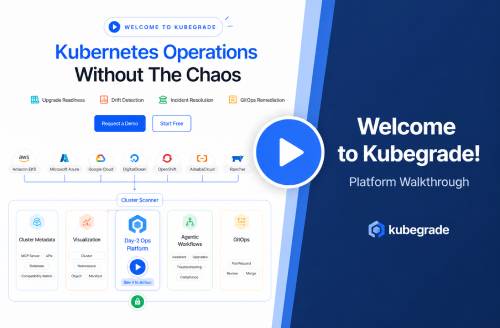
This article will explore strategies and tools for optimizing K8s spending. These include resource optimization, rightsizing, and the use of cost monitoring tools. Kubegrade simplifies Kubernetes cluster management. It’s a platform for secure and automated K8s operations, enabling monitoring, upgrades, and optimization.
“““html
Understanding Kubernetes Cost Components
Several components contribute to the overall cost of running Kubernetes. Knowing these components is important for effective cost management .
Compute Resources: CPU and memory are primary cost drivers. The amount of compute resources allocated to pods directly affects costs. Costs vary based on node size and the region where the K8s cluster is deployed .
Storage: Persistent volumes used for storing data incur costs. The type of storage (e.g., SSD, HDD) and the amount of storage provisioned influence the overall storage expenses .
Networking: Network traffic within the cluster and between the cluster and external services generates costs. Data transfer charges, especially for cross-region or cross-zone communication, can be significant .
Inefficient resource allocation can lead to unnecessary expenses. For example, if pods are allocated more CPU or memory than they actually need, resources are wasted, and costs increase. Similarly, underutilizing nodes can result in paying for idle capacity .
Kubegrade assists in monitoring resource utilization, providing insights into how efficiently resources are being used across the K8s cluster.
“““html
Compute Costs: CPU and Memory
CPU and memory are fundamental resources in Kubernetes, and their usage directly affects costs. The more CPU and memory your applications consume, the higher your K8s expenses will be .
In Kubernetes, resource requests and limits define the amount of CPU and memory allocated to a pod. A resource request is the minimum amount of resources a pod needs to run, while a resource limit is the maximum amount of resources a pod can use. These settings influence actual resource consumption and billing .
Over-provisioning occurs when pods are allocated more CPU and memory than they require. This leads to wasted resources, as the excess capacity remains idle while you continue to pay for it. Under-provisioning happens when pods are allocated insufficient CPU and memory. This can cause performance bottlenecks, application slowdowns, and a poor user experience .
Kubegrade helps monitor CPU and memory utilization across your K8s cluster. By tracking resource consumption in real-time, Kubegrade identifies instances of over-provisioning and under-provisioning, enabling you to optimize resource allocation and reduce costs.
“““html
Storage Costs: Persistent Volumes
Kubernetes offers various storage options, including persistent volumes (PVs) and local storage. Persistent volumes provide durable storage that persists beyond the lifespan of individual pods, while local storage is tied to the lifecycle of a node .
Storage costs are calculated based on several factors. These include the size of the volume, the storage class (e.g., SSD, HDD), and the region where the storage is provisioned. Different storage classes have varying performance characteristics and cost structures .
Right-sizing persistent volumes is important for minimizing storage expenses. Avoid allocating more storage than your applications actually need, as you’ll be paying for unused capacity. Regularly review and delete unused persistent volumes to reclaim storage space and reduce costs .
Kubegrade aids in monitoring storage usage across your K8s cluster. By tracking the utilization of persistent volumes, Kubegrade helps identify opportunities for optimization, such as right-sizing volumes or deleting unused storage resources.
“““html
Networking Costs: Ingress and Egress
Network traffic is a key factor in Kubernetes costs, particularly ingress and egress traffic. Ingress refers to traffic entering the cluster from external sources, while egress is traffic leaving the cluster .
Costs are associated with several aspects of networking. Load balancing, which distributes traffic across multiple nodes, incurs charges based on the amount of traffic processed. Inter-node communication, the traffic between nodes within the cluster, also contributes to costs. Data transfer to external services, such as databases or APIs, generates expenses, especially for cross-region or cross-zone traffic .
Inefficient network configurations can lead to unnecessary expenses. For example, excessive data transfer between regions or zones can result in high network charges. Similarly, unoptimized load balancing configurations can increase costs .
Kubegrade assists in monitoring network traffic patterns within your K8s environment. By analyzing ingress and egress traffic, Kubegrade helps identify potential cost optimization opportunities, such as reducing cross-region data transfer or optimizing load balancing configurations.
“““html
Strategies for Kubernetes Cost Optimization

Optimizing Kubernetes costs requires a combination of strategies focused on resource efficiency and cost awareness . Here are some practical approaches:
- Right-Sizing Kubernetes Nodes: Choose node sizes that closely match your workload requirements. Avoid using oversized nodes that result in wasted capacity. Regularly review node utilization and adjust sizes as needed.
- Implementing Resource Quotas and Limits: Set resource quotas at the namespace level to limit the total amount of CPU, memory, and storage that can be consumed. Use resource limits to prevent individual pods from consuming excessive resources, guaranteeing fair resource allocation.
- Utilizing Horizontal Pod Autoscaling (HPA): Automatically adjust the number of pod replicas based on CPU utilization or other metrics. HPA makes sure that your applications have enough resources to handle varying workloads without over-provisioning.
- Leveraging Spot Instances for Non-Critical Workloads: Use Spot Instances (or similar preemptible instances) for workloads that are fault-tolerant and can handle interruptions. Spot Instances offer significant cost savings compared to On-Demand Instances.
- Implementing Cost Monitoring and Alerting: Use cost monitoring tools to track K8s spending and identify cost drivers. Set up alerts to notify you of unexpected cost spikes or potential overspending.
These strategies help reduce costs by improving resource utilization and preventing over-provisioning. For example, a company implemented resource quotas and reduced its K8s costs by 20% by preventing individual teams from consuming excessive resources. Another organization used HPA to scale its application deployments based on traffic patterns, resulting in a 30% reduction in compute costs .
Kubegrade can automate some of these optimization strategies, such as right-sizing recommendations and automated resource quota management.
“““html
Right-Sizing Kubernetes Nodes
Right-sizing Kubernetes nodes involves selecting node sizes that closely align with the resource requirements of your workloads. It’s about avoiding the trap of using oversized nodes that lead to wasted capacity and unnecessary expenses .
Smaller node sizes can be beneficial for development and testing environments. These environments typically have lower resource demands compared to production. Using smaller nodes can significantly reduce infrastructure costs without affecting performance .
Analyzing resource utilization is key to identifying right-sizing opportunities. Monitor CPU, memory, and storage consumption across your nodes. Look for nodes with consistently low utilization, as these may be candidates for consolidation. Consolidating workloads onto fewer, larger nodes can improve resource efficiency and reduce the overall number of nodes required .
For example, a company found that many of its development nodes were only utilizing 10-20% of their CPU and memory capacity. By switching to smaller node sizes, the company reduced its infrastructure costs for development environments by 40% .
Kubegrade can assist in analyzing resource utilization patterns and recommending optimal node sizes based on your workload characteristics.
“““html
Implementing Resource Quotas and Limits
Resource quotas and limits are useful tools for controlling resource consumption within Kubernetes namespaces. They allow you to define constraints on the amount of CPU, memory, and storage that can be used by pods and containers within a namespace .
Setting quotas and limits offers several benefits. They prevent resource starvation, where one or more pods consume all available resources, leaving other pods without enough resources to function properly. They also ensure fair resource allocation, where resources are distributed equitably among different teams or applications .
Defining appropriate quotas and limits requires careful consideration of workload requirements. Analyze the resource needs of your applications and set quotas and limits that provide sufficient resources while preventing over-provisioning. Start with conservative values and adjust them based on monitoring and feedback .
For example, quotas and limits can prevent runaway processes from consuming excessive resources. If a process enters an infinite loop or starts consuming excessive memory, the resource limits will prevent it from crashing the entire node or affecting other applications .
Kubegrade can help enforce resource quotas and limits by providing real-time monitoring and alerting when resource consumption approaches or exceeds defined thresholds.
“““html
Leveraging Horizontal Pod Autoscaling (HPA)
Horizontal Pod Autoscaling (HPA) automates the scaling of the number of pods in a deployment based on observed resource utilization. It allows your applications to automatically adjust to changing demand, guaranteeing optimal performance and resource efficiency .
Using HPA offers several benefits. It adjusts resource allocation to meet changing demand, scaling up the number of pods during peak periods and scaling down during periods of low demand. This prevents over-provisioning and reduces costs by only using the resources needed at any given time .
HPA can be configured to scale pods based on various metrics, including CPU utilization, memory utilization, or custom metrics. To configure HPA, you define target utilization values for the chosen metrics. When the actual utilization exceeds the target, HPA automatically increases the number of pods. When the utilization falls below the target, HPA decreases the number of pods .
For example, during periods of low demand, HPA can scale down the number of pods, freeing up resources and reducing costs. A company used HPA to scale its web application deployments based on traffic patterns. During off-peak hours, HPA reduced the number of pods by 50%, resulting in significant cost savings .
Kubegrade can integrate with HPA to provide more informed autoscaling decisions, taking into account factors such as cost and resource availability.
“““html
Utilizing Spot Instances for Non-Critical Workloads
Spot Instances are spare compute capacity offered by cloud providers at discounted prices. They can be used to reduce costs for non-critical workloads that can tolerate interruptions .
Using Spot Instances involves both risks and benefits. The primary benefit is the significant cost savings compared to On-Demand Instances. However, Spot Instances can be terminated with little notice (typically a few minutes) if the cloud provider needs the capacity back. This means that workloads running on Spot Instances must be able to handle interruptions gracefully .
Workloads suitable for Spot Instances include batch processing jobs, stateless applications, and development/testing environments. To use Spot Instances effectively, configure Kubernetes to handle terminations gracefully. This involves using techniques such as pod disruption budgets and node affinity to make sure that critical workloads are not affected by Spot Instance terminations .
For example, a company used Spot Instances for its batch processing jobs, which were fault-tolerant and could be restarted without significant impact. This resulted in a 60% reduction in infrastructure costs for these workloads .
Kubegrade can help manage Spot Instances by automating the process of replacing terminated instances and making sure that workloads are rescheduled onto new instances.
“““html
Tools for Kubernetes Cost Monitoring and Management
Several tools are available to help monitor and manage Kubernetes costs. These tools offer features ranging from basic cost monitoring to advanced optimization and management capabilities .
Monitoring Tools: These tools provide visibility into K8s spending, tracking resource utilization and identifying cost drivers. Examples include:
- Kubernetes Dashboard: A web-based UI for managing K8s clusters. It offers basic resource monitoring but lacks advanced cost management features.
- Prometheus: A popular open-source monitoring solution that can be used to track K8s resource utilization. Requires additional tools for cost reporting and analysis.
Reporting Tools: These tools generate reports on K8s spending, providing insights into cost trends and allocation. Examples include:
- KubeCost: An open-source tool that provides real-time cost visibility and allocation for K8s clusters.
- Cloud provider cost management tools (e.g., AWS Cost Explorer, Azure Cost Management): These tools offer cost monitoring and reporting capabilities specific to the cloud provider’s K8s service.
Optimization Tools: These tools provide recommendations and automation for optimizing K8s costs. Examples include:
- CAST AI: A commercial tool that offers automated cost optimization for K8s clusters.
- Kubegrade: A platform that offers monitoring, optimization, and management features, simplifying K8s cluster management.
Here’s a comparison of some key features:
| Tool | Monitoring | Reporting | Optimization | Open Source |
|---|---|---|---|---|
| Kubernetes Dashboard | Yes | No | No | Yes |
| Prometheus | Yes | No | No | Yes |
| KubeCost | Yes | Yes | No | Yes |
| Cloud provider tools | Yes | Yes | No | No |
| CAST AI | Yes | Yes | Yes | No |
| Kubegrade | Yes | Yes | Yes | No |
“““html
Open-Source Kubernetes Cost Monitoring Tools
Several open-source tools can help monitor Kubernetes costs, providing valuable insights into resource usage and spending. These tools offer various functionalities, from basic monitoring to advanced cost allocation and alerting .
Kubecost: Kubecost provides real-time cost visibility and allocation for K8s clusters. It allows you to track costs at the namespace, deployment, and pod level. Kubecost integrates with various cloud providers and supports multiple pricing models. Pros: Easy to deploy, comprehensive cost allocation features, active community support. Cons: Requires persistent storage, can be resource-intensive for large clusters .
Prometheus with Grafana: Prometheus is a popular open-source monitoring solution that can be used to track K8s resource utilization. Grafana is a data visualization tool that can be used to create dashboards and visualize Prometheus metrics. Pros: Highly customizable, widely adopted, large community support. Cons: Requires significant configuration, lacks built-in cost allocation features .
kube-state-metrics: kube-state-metrics exposes various Kubernetes object metrics in a format that Prometheus can ingest. This allows you to monitor the state of your K8s cluster and track resource usage. Pros: Lightweight, easy to deploy, provides valuable cluster state information. Cons: Does not provide cost allocation features, requires Prometheus and Grafana for visualization .
Here’s a comparison of the features and limitations of these tools:
| Tool | Cost Allocation | Resource Usage Tracking | Alerting | Ease of Deployment | Customization |
|---|---|---|---|---|---|
| Kubecost | Yes | Yes | Yes | Easy | Medium |
| Prometheus with Grafana | No | Yes | Yes | Medium | High |
| kube-state-metrics | No | Yes | No | Easy | Low |
For example, to use Kubecost to gain insights into K8s costs, you can deploy it in your cluster and access its web UI. From there, you can view cost breakdowns by namespace, deployment, or pod. To use Prometheus and Grafana, you need to configure Prometheus to scrape metrics from your K8s cluster and then create Grafana dashboards to visualize the metrics.
“““html
Commercial Kubernetes Cost Management Platforms
Several commercial platforms offer comprehensive solutions for Kubernetes cost management. These platforms provide features such as automated cost optimization, anomaly detection, and budget management, helping organizations reduce their K8s expenses .
CAST AI: CAST AI offers automated cost optimization for K8s clusters. It analyzes resource utilization and automatically right-sizes nodes, optimizes resource requests, and identifies cost-saving opportunities. Pros: Automated optimization, easy to use, comprehensive features. Cons: Can be expensive for large clusters, limited customization .
CloudZero: CloudZero provides cost visibility and insights for cloud-native environments, including Kubernetes. It helps organizations understand their cost drivers and allocate costs to specific teams or projects. Pros: Granular cost analysis, integration with various cloud providers, strong reporting capabilities. Cons: Can be complex to set up, requires significant data integration .
Harness: Harness provides a software delivery platform that includes cost management features for Kubernetes. It helps organizations track K8s spending, optimize resource utilization, and enforce cost policies. Pros: Integrated with software delivery workflows, strong governance features, supports multiple cloud providers. Cons: Can be expensive for organizations that don’t need the full software delivery platform .
Here’s a comparison of the features and limitations of these platforms:
| Tool | Automated Optimization | Anomaly Detection | Budget Management | Ease of Use | Integration |
|---|---|---|---|---|---|
| CAST AI | Yes | Yes | Yes | Easy | Medium |
| CloudZero | No | Yes | Yes | Medium | High |
| Harness | Yes | Yes | Yes | Medium | Medium |
For example, CAST AI can automatically right-size your K8s nodes, reducing your infrastructure costs without requiring manual intervention. CloudZero can help you understand your cost drivers by providing granular cost analysis and allocating costs to specific teams or projects. Harness can help you enforce cost policies by integrating cost management into your software delivery workflows.
“““html
Kubegrade: A Comprehensive Kubernetes Management Solution
Kubegrade simplifies Kubernetes cluster management by providing a comprehensive platform for monitoring, upgrades, and optimization. It offers a range of features intended to improve cost visibility, optimize resource utilization, and automate cost control .
Kubegrade provides detailed cost visibility, allowing you to track K8s spending at various levels, including cluster, namespace, deployment, and pod. It identifies cost drivers and provides insights into resource utilization patterns .
Kubegrade offers resource optimization capabilities, such as right-sizing recommendations and automated resource quota management. It analyzes resource utilization and suggests optimal node sizes and resource allocations to reduce wasted capacity .
Kubegrade automates cost control by enforcing resource quotas and limits, preventing overspending and guaranteeing fair resource allocation. It also integrates with Horizontal Pod Autoscaling (HPA) to provide more intelligent autoscaling decisions .
By using Kubegrade, organizations can reduce their K8s expenses through improved resource utilization, automated cost control, and improved cost visibility. Its comprehensive approach to Kubernetes management simplifies the difficulties of K8s and enables organizations to focus on their core business objectives.
“““html
Best Practices for Continuous Kubernetes Cost Control

Maintaining continuous cost control in Kubernetes environments requires an ongoing effort. Here are some best practices to help you manage your K8s costs effectively :
- Establish Clear Cost Visibility: Use cost monitoring tools to track K8s spending and identify cost drivers. Ensure that you have visibility into costs at various levels, including cluster, namespace, deployment, and pod.
- Set Budgets and Alerts: Define budgets for your K8s projects and set up alerts to notify you of unexpected cost spikes or potential overspending. This allows you to take timely action to prevent cost overruns.
- Regularly Review Resource Utilization: Monitor CPU, memory, and storage utilization across your K8s cluster. Identify underutilized resources and right-size your nodes and resource allocations accordingly.
- Encourage a Cost-Aware Culture: Educate your teams about K8s cost management and encourage them to be mindful of resource utilization. Make cost data readily available and promote collaboration between development, operations, and finance teams.
- Integrate Cost Management into the DevOps Lifecycle: Incorporate cost management into your DevOps processes, from development to deployment. Use tools and automation to enforce cost policies and prevent cost regressions.
Integrating cost management into the DevOps lifecycle involves several steps. First, establish cost policies and guidelines that align with your organization’s budget and goals. Second, use infrastructure-as-code (IaC) tools to define resource configurations and enforce cost constraints. Third, implement automated testing and validation to identify cost regressions early in the development cycle. Finally, use continuous integration and continuous delivery (CI/CD) pipelines to automate the deployment of cost-optimized applications .
Kubegrade can help automate and enforce these best practices by providing cost visibility, resource optimization recommendations, and automated cost control features.
“““html
Establish Clear Cost Visibility
Having clear knowledge of Kubernetes costs is crucial for effective cost management. Without visibility into your K8s spending, it’s difficult to identify areas where you can optimize resource utilization and reduce expenses .
Tracking resource utilization is important for knowing your K8s costs. Monitor CPU, memory, storage, and network usage across your clusters, namespaces, deployments, and pods. This allows you to identify underutilized resources and right-size your allocations accordingly .
Allocating costs to different teams or projects is important for accountability and chargeback purposes. This involves tagging your K8s resources with metadata that identifies the team or project responsible for the costs. Cost monitoring tools can then use this metadata to generate cost reports .
Identifying cost drivers is key to knowing where your K8s spending is going. Analyze your cost data to identify the resources, namespaces, or deployments that are contributing the most to your overall costs. This allows you to focus your optimization efforts on the areas with the greatest potential for cost savings .
Use cost monitoring tools to gain insights into your Kubernetes expenses. These tools provide dashboards, reports, and alerts that help you track your spending, identify cost drivers, and monitor resource utilization. Real-time cost visibility is needed for making informed decisions about resource allocation and cost optimization .
Kubegrade provides comprehensive cost visibility across your Kubernetes clusters, allowing you to track your spending, allocate costs, and identify cost drivers in real-time.
“““html
Set Budgets and Alerts
Setting budgets and alerts is a way to manage Kubernetes costs . By defining cost thresholds and receiving notifications when costs exceed those thresholds, you can take timely action to prevent cost overruns .
Defining cost thresholds involves setting limits on the amount of money that can be spent on K8s resources within a specific time period. These thresholds can be set at various levels, including cluster, namespace, deployment, and pod .
Receiving notifications when costs exceed defined thresholds allows you to investigate the cause of the cost increase and take corrective action. This might involve right-sizing resources, optimizing application deployments, or identifying and resolving cost inefficiencies .
To set up budgets and alerts, use cost management tools that provide these features. These tools allow you to define budgets, set alert thresholds, and configure notification channels. Regularly review your budgets and adjust them as needed to reflect changes in your workload requirements and cost trends .
For example, you can set a budget for a specific namespace and configure an alert to notify you when the cost of resources in that namespace exceeds 80% of the budget. This allows you to investigate the cause of the cost increase and take action to prevent the budget from being exceeded .
Kubegrade can help automate budget enforcement and alert notifications, guaranteeing that you are always aware of your K8s spending and can take timely action to prevent cost overruns.
“““html
Regularly Review Resource Utilization
Regularly reviewing resource utilization is important for identifying opportunities to optimize your Kubernetes environment and reduce costs. By analyzing CPU, memory, storage, and network usage, you can identify underutilized resources and take action to improve efficiency .
To analyze resource utilization, monitor the consumption of CPU, memory, storage, and network resources across your K8s clusters, namespaces, deployments, and pods. Look for resources that are consistently underutilized, as these represent potential opportunities for optimization .
To improve resource utilization, consider the following strategies:
- Right-Size Kubernetes Nodes: Choose node sizes that closely match your workload requirements. Avoid using oversized nodes that result in wasted capacity.
- Implement Resource Quotas and Limits: Set resource quotas at the namespace level to limit the total amount of resources that can be consumed. Use resource limits to prevent individual pods from consuming excessive resources.
- Utilize Horizontal Pod Autoscaling (HPA): Automatically adjust the number of pod replicas based on CPU utilization or other metrics. HPA ensures that your applications have enough resources to handle varying workloads without over-provisioning.
Continuous monitoring and optimization are crucial for maintaining a cost-efficient K8s environment. Regularly review your resource utilization data and adjust your configurations as needed to reflect changes in your workload requirements .
Kubegrade can help automate resource utilization analysis and provide recommendations for optimization, making it easier to identify and address cost inefficiencies in your K8s environment.
“““html
Encourage a Cost-Aware Culture
Encouraging a cost-aware culture within your organization is key to achieving continuous cost control in Kubernetes environments. This involves educating developers and operations teams about K8s costs and promoting a shared responsibility for cost management .
To educate your teams about K8s costs, provide training and resources on topics such as resource utilization, cost allocation, and best practices for cost optimization. Explain how their actions can affect K8s spending and encourage them to be mindful of resource consumption .
Integrating cost management into the DevOps lifecycle is needed for encouraging a cost-aware culture. This involves incorporating cost considerations into every stage of the software development process, from design to deployment .
Collaboration and shared responsibility are crucial for cost control. Encourage developers, operations teams, and finance teams to work together to identify cost-saving opportunities and implement cost-effective solutions. Make cost data readily available and promote open communication about K8s spending .
For example, you can create a shared dashboard that displays K8s cost data and make it accessible to all relevant teams. You can also hold regular meetings to discuss cost trends and identify areas for improvement .
Kubegrade can help promote a cost-aware culture by providing cost visibility, automation tools, and educational resources that empower your teams to make informed decisions about K8s spending.
“““html
Conclusion
Effective Kubernetes cost management requires a combination of strategies, tools, and best practices. This article has explored key strategies such as right-sizing nodes, implementing resource quotas and limits, utilizing Horizontal Pod Autoscaling, and leveraging Spot Instances. It has also reviewed popular tools for K8s cost monitoring and management, including both open-source and commercial options .
Continuous monitoring, optimization, and cost control are needed for maintaining a cost-efficient K8s environment. By establishing clear cost visibility, setting budgets and alerts, regularly reviewing resource utilization, and encouraging a cost-aware culture, organizations can effectively manage their K8s expenses .
Take action today to implement the strategies outlined in this article and reduce your K8s costs. Kubegrade simplifies Kubernetes cluster management and helps organizations optimize their K8s spend through its comprehensive platform for monitoring, upgrades, and optimization.
Explore Kubegrade’s features or contact our team for a demo to learn how it can help you optimize your K8s costs and simplify cluster management.
“`

