





Kubernetes as a Service (KaaS): A Comprehensive Guide

by Tim
October 11, 2025
Kubernetes as a Service (KaaS) simplifies how organizations deploy, manage, and scale containerized applications. It offers a managed service that handles the underlying infrastructure, allowing developers to concentrate on building and deploying applications. With KaaS, businesses can quickly launch production-ready Kubernetes clusters, making it ideal for teams seeking to use container orchestration without excessive overhead.
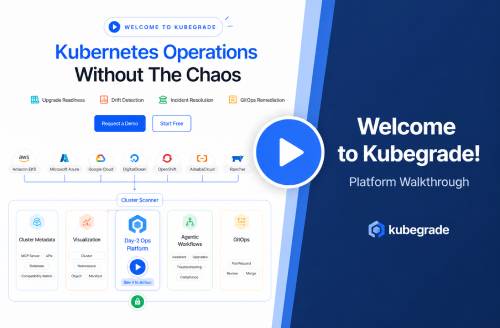
KubeGrade improves KaaS by providing a secure, adaptable, and automated platform for K8s operations. It allows for streamlined monitoring, upgrades, and optimization, guaranteeing that users can focus on their applications while KubeGrade manages the intricacies of Kubernetes cluster management.
Key Takeaways
- Kubernetes as a Service (KaaS) simplifies Kubernetes cluster management, allowing users to focus on application deployment.
- KaaS offers benefits like reduced operational overhead, faster deployment times, improved scalability, and cost savings.
- KaaS is useful for deploying microservices, supporting CI/CD pipelines, managing containerized applications at scale, and enabling hybrid cloud deployments.
- KubeGrade enhances KaaS by providing automated deployments, strong security policies, and early monitoring and optimization.
- Automated deployments with KubeGrade reduce errors and speed up release times.
- Strong security policies in KubeGrade help protect Kubernetes clusters and ensure compliance.
- Early monitoring and optimization in KubeGrade improve resource utilization and lower costs.
Table of Contents
“`html
Introduction to Kubernetes as a Service (KaaS)

Kubernetes has become important for deploying applications in today’s world. It helps manage and grow containerized applications, but setting up and running Kubernetes clusters can be difficult. That’s where Kubernetes as a Service (KaaS) comes in [i]. KaaS simplifies things by handling the difficulties of Kubernetes cluster management [i]. It allows users to focus on deploying and managing their applications without worrying about the underlying infrastructure [i].
This article offers a comprehensive overview of Kubernetes as a Service. It will cover the benefits and different ways KaaS can be used. It will also explore how KubeGrade improves KaaS by providing secure, adaptable, and automated Kubernetes operations.
“““html
Key Benefits of Using KaaS
Using Kubernetes as a Service (KaaS) offers several key advantages for businesses. It reduces operational overhead, speeds up deployment, improves how well systems can grow, and saves money [i].
- Reduced Operational Overhead: KaaS handles many of the tasks related to managing Kubernetes clusters. This includes things like upgrades, security, and monitoring. By taking care of these tasks, KaaS reduces the burden on IT teams, freeing them up to focus on other important work [i].
- Faster Deployment Times: With KaaS, deploying applications becomes faster. KaaS provides tools and automation that streamline the deployment process. This means businesses can get their applications up and running more quickly [i].
- Improved Adaptability: KaaS makes it easier to scale applications based on demand. Whether a business needs to handle more traffic or expand its services, KaaS allows them to adjust resources quickly. This ensures applications remain responsive and efficient [i].
- Cost Savings: By automating many of the tasks associated with Kubernetes management, KaaS helps businesses save money. It reduces the need for specialized staff and lowers infrastructure costs. This makes KaaS a cost-effective solution for managing containerized applications [i].
Overall, Kubernetes as a Service allows businesses to focus more on creating and improving their applications. Instead of spending time and resources on infrastructure management, they can use KaaS to handle those tasks efficiently.
“““html
Reduced Operational Overhead
Kubernetes as a Service (KaaS) greatly reduces the effort needed to manage Kubernetes infrastructure. KaaS providers handle many routine tasks, such as setting up clusters, performing maintenance, and applying upgrades [i]. This means IT teams don’t have to spend as much time on these activities.
For example, a KaaS provider will take care of configuring the Kubernetes control plane, setting up networking, and making sure the cluster is secure [i]. They also manage updates to the Kubernetes software, so users don’t have to worry about compatibility issues or security patches [i]. With these tasks handled by the provider, IT teams can focus on developing and deploying applications, rather than managing infrastructure. This can lead to faster innovation and better use of resources.
“““html
Faster Deployment Times
Kubernetes as a Service (KaaS) speeds up the process of deploying applications. KaaS provides pre-configured environments and automated workflows that simplify setting up and configuring Kubernetes clusters [i]. This means developers can get their applications running more quickly.
With KaaS, much of the groundwork is already done. The provider offers ready-to-use Kubernetes environments, so users don’t have to spend time on initial setup. Automated workflows handle tasks like provisioning resources, configuring networking, and setting up monitoring [i]. For instance, a company was able to reduce its deployment time from several days to just a few hours by using KaaS. This allowed them to release new features and updates more frequently, giving them a competitive advantage [i].
“““html
Improved Scalability and Resource Utilization
Kubernetes as a Service (KaaS) allows businesses to easily adjust their applications based on demand. KaaS solutions are flexible, automatically changing resource allocation to improve performance [i].
KaaS helps businesses manage high traffic periods and avoid using too many resources. For example, an e-commerce site using KaaS can automatically increase its resources during a sale and reduce them when demand decreases. This ensures the site remains responsive during peak times without wasting resources when traffic is normal [i]. This flexibility helps businesses save money and deliver a better user experience [i].
“““html
Cost Savings
Kubernetes as a Service (KaaS) can lead to significant cost savings for businesses. These savings come from several areas, including lower infrastructure costs, reduced operational expenses, and better resource use [i].
Managing Kubernetes in-house requires a dedicated team with specialized skills, which can be expensive. It also involves investing in hardware and software to support the Kubernetes infrastructure [i]. With KaaS, businesses can avoid these upfront costs and ongoing expenses. The KaaS provider handles the infrastructure and management, reducing the need for a large in-house team [i]. Also, KaaS solutions often offer flexible pricing models, allowing businesses to pay only for the resources they use. This can result in substantial savings compared to managing Kubernetes on their own.
“““html
Use Cases for Kubernetes as a Service
Kubernetes as a Service (KaaS) is useful in many situations, offering flexibility and adaptability for different needs. Here are some common use cases:
- Deploying Microservices: KaaS simplifies the deployment and management of microservices-based applications. Microservices are small, independent services that work together [i]. KaaS provides the infrastructure needed to run these services efficiently, making it easier to scale and update them [i].
- Supporting CI/CD Pipelines: KaaS integrates well with Continuous Integration/Continuous Deployment (CI/CD) pipelines. CI/CD automates the process of building, testing, and deploying applications [i]. KaaS provides the environment needed to run these pipelines smoothly, allowing for faster and more reliable releases [i].
- Managing Containerized Applications at Scale: KaaS is designed to handle containerized applications, which are applications packaged with all their dependencies [i]. KaaS makes it easier to manage these applications as they grow, providing the tools and resources needed to scale them efficiently [i].
- Enabling Hybrid Cloud Deployments: KaaS supports hybrid cloud deployments, where applications run across both on-premises data centers and public clouds [i]. KaaS provides a consistent platform for managing applications in these environments, making it easier to move workloads between them [i].
Many types of companies can benefit from KaaS. For example, e-commerce businesses use KaaS to handle peak traffic during sales events. Financial institutions use it to deploy and manage secure applications. Healthcare providers use it to manage sensitive data and ensure compliance with regulations.
“““html
Deploying Microservices with KaaS
Kubernetes as a Service (KaaS) simplifies how microservices architectures are deployed and managed. Microservices are small, independent services that form a larger application. KaaS offers the isolation, adaptability, and speed needed for microservices to work well [i].
KaaS allows each microservice to be deployed in its own container, providing isolation and preventing issues in one service from affecting others [i]. It also makes it easy to scale individual microservices based on demand, making sure optimal performance. For example, a media company uses KaaS to manage its video streaming platform, which is composed of many microservices. By using KaaS, the company can quickly scale its streaming services during peak viewing times, providing a smooth experience for its users [i].
“““html
KaaS for CI/CD Pipelines
Kubernetes as a Service (KaaS) works well with CI/CD pipelines, improving how software is developed and released. CI/CD pipelines automate the process of building, testing, and deploying applications. KaaS makes these pipelines more efficient by providing the infrastructure and tools needed to automate various tasks [i].
With KaaS, automated testing, deployment, and rollback of applications become easier. KaaS allows developers to quickly deploy new versions of their applications to a test environment, run automated tests, and then deploy the changes to production [i]. If any issues arise, KaaS also simplifies the process of rolling back to a previous version. For example, a software company uses KaaS to automate its CI/CD pipeline, reducing the time it takes to release new features from weeks to days. This allows them to respond more quickly to customer feedback and stay ahead of the competition [i].
“““html
Managing Containerized Applications at Scale
Kubernetes as a Service (KaaS) provides the necessary tools and infrastructure for managing containerized applications as they grow. KaaS handles how resources are allocated, balances the load, and monitors large deployments [i].
KaaS makes it easier to run many containers efficiently. It automatically distributes workloads across available resources, making sure that no single server is overloaded [i]. It also provides monitoring tools to track the health and performance of containers, allowing businesses to quickly identify and resolve issues. For example, a global logistics company uses KaaS to manage thousands of containers that run its tracking and delivery systems. By using KaaS, the company can make sure its applications remain available and responsive, even during peak shipping seasons [i].
“““html
Enabling Hybrid Cloud Deployments with KaaS
Kubernetes as a Service (KaaS) makes hybrid cloud deployments easier, allowing businesses to run applications in different environments. Hybrid cloud involves using both on-premises data centers and public clouds [i]. KaaS provides a consistent way to manage applications, no matter where they are deployed [i].
With KaaS, businesses can move workloads between on-premises and cloud environments as needed. This flexibility allows them to optimize costs, improve performance, and increase resilience. For instance, a financial services company uses KaaS to run some of its applications in its own data center and others in the public cloud. By using KaaS, the company can easily move applications between these environments based on changing business needs, providing greater agility and control [i].
“““html
KubeGrade: Enhancing KaaS with Automation and Security
KubeGrade builds on the base of Kubernetes as a Service (KaaS) to offer better automation, security, and the ability to grow. KubeGrade simplifies managing Kubernetes clusters, allowing for monitoring, updates, and improvements [i].
KubeGrade includes key features like automated deployments, strong security rules, and monitoring that acts in advance. These features connect to the benefits discussed before, showing how KubeGrade makes KaaS even more valuable. With automated deployments, setting up applications becomes faster and less prone to errors. Strong security policies help protect sensitive data and ensure compliance. Monitoring that acts early allows users to identify and fix problems before they affect performance [i].
“““html
Automated Kubernetes Deployments with KubeGrade
KubeGrade automates how Kubernetes clusters are deployed. Automated deployments reduce mistakes, speed up the time it takes to release products, and improve how consistent things are [i].
KubeGrade simplifies the deployment process by providing pre-built templates and automated workflows. Users can define their desired cluster configuration and let KubeGrade handle the rest. This includes provisioning resources, configuring networking, and setting up security [i]. By automating these tasks, KubeGrade reduces the risk of human error and allows teams to deploy clusters more quickly. This makes both KaaS and KubeGrade more valuable, as businesses can get their applications running faster and more reliably [i].
“““html
Strong Security Policies and Compliance
KubeGrade helps businesses put in place strong security rules and stay in line with industry rules. Security is very important in KaaS environments, and KubeGrade offers features to protect Kubernetes clusters from threats [i].
KubeGrade provides role-based access control, which limits who can access different parts of the cluster. It also offers network segmentation, which isolates different parts of the network to prevent attacks from spreading. Also, KubeGrade includes vulnerability scanning, which identifies potential security weaknesses in the cluster [i]. For example, KubeGrade can detect and prevent unauthorized access to sensitive data, helping businesses maintain compliance with regulations like GDPR and HIPAA [i].
“““html
Early Monitoring and Optimization
KubeGrade offers monitoring and improvement features for Kubernetes clusters. KubeGrade watches how well the cluster is working, finds possible problems, and suggests ways to make things better [i].
KubeGrade helps businesses use resources more efficiently and lower costs. For example, KubeGrade can identify underutilized nodes and recommend scaling them down, saving money on infrastructure. It can also detect performance bottlenecks and suggest ways to optimize application configurations [i]. By providing these insights and recommendations, KubeGrade helps businesses continuously manage and improve their KaaS deployments [i].
“““html
Conclusion: The Future of Application Deployment with KaaS
Kubernetes as a Service (KaaS) offers many benefits and is useful in various situations. It simplifies how containers are organized and allows businesses to focus on creating new things. KaaS reduces operational overhead, speeds up deployment times, improves how well systems can grow, and saves money [i]. It is valuable for deploying microservices, supporting CI/CD pipelines, managing containerized applications at scale, and enabling hybrid cloud deployments [i].
KubeGrade helps to improve KaaS with automation and security. As more businesses adopt KaaS, it will have a big impact on how applications are deployed in the future.
“`

