





Kubernetes Security Vulnerabilities: A Comprehensive Guide

by Tim
August 30, 2025
Kubernetes, often abbreviated as K8s, has become a cornerstone of modern cloud computing, offering a platform for deploying, scaling, and managing containerized applications. However, the flexibility and complexity that make Kubernetes so effective also introduce significant security challenges. Kubernetes is not secure by default. Organizations must take deliberate steps to activate and customize protections to secure their environments effectively.
This article provides a comprehensive guide to common Kubernetes security vulnerabilities, how to identify them, and best practices for mitigation. By addressing these vulnerabilities, teams can secure their clusters and use Kubernetes’ capabilities without compromising security. For example, an exposed cluster that’s been misconfigured or doesn’t have basic security measures deployed could leave the door open for threat actors to cause damage or move laterally to exfiltrate critical data.
Key Takeaways
- Kubernetes security is critical due to the platform’s widespread adoption and the potential for vulnerabilities to expose applications and data.
- Common Kubernetes security vulnerabilities include misconfigurations, container vulnerabilities, network security issues, and API server vulnerabilities.
- Identifying vulnerabilities involves using vulnerability scanning tools, penetration testing, security audits, and monitoring Kubernetes logs and events.
- Best practices for mitigating vulnerabilities include implementing strong RBAC policies, regularly updating Kubernetes and container images, and using network policies to restrict traffic.
- Encrypting sensitive data and automating security tasks are crucial for maintaining a strong security posture in Kubernetes environments.
- Kubegrade simplifies Kubernetes security management by automating tasks, monitoring for vulnerabilities, and enforcing best practices.
- A multi-faceted approach combining strong security measures and tools like Kubegrade is essential for protecting Kubernetes clusters from evolving threats.
Table of Contents
Introduction to Kubernetes Security
Kubernetes, often shortened to K8s, has become a leading platform for container orchestration, automating the deployment, scaling, and management of applications [1]. Its popularity stems from its ability to streamline application management, improve resource utilization, and accelerate development cycles [1].
With the widespread adoption of Kubernetes, its security is critical. Kubernetes security vulnerabilities can expose applications and data to unauthorized access, data breaches, and service disruptions [2]. Addressing these vulnerabilities is important for maintaining the integrity and availability of K8s environments.
Kubernetes security vulnerabilities refer to weaknesses or flaws in the Kubernetes system that attackers can exploit to compromise the cluster and its workloads [2]. These vulnerabilities can arise from misconfigurations, software bugs, or insecure coding practices [2]. The complex nature of Kubernetes environments, with their many interconnected components, amplifies these risks, making it harder to identify and remediate potential security issues [3].
The increasing complexity of K8s environments presents a challenge for security teams. Managing security across numerous microservices, containers, and nodes requires specialized expertise and tools [3]. This complexity can lead to oversights and misconfigurations, increasing the likelihood of Kubernetes security vulnerabilities being exploited.
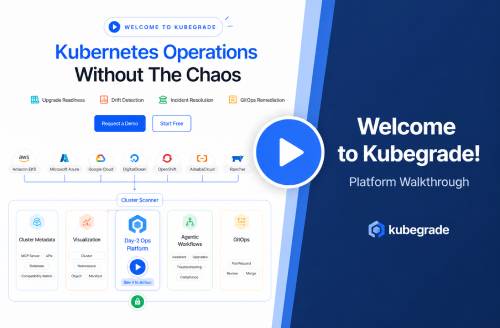
Kubegrade simplifies Kubernetes cluster management, offering a platform for secure, , and automated K8s operations. It enables monitoring, upgrades, and optimization, helping to address the challenges associated with Kubernetes security vulnerabilities.
Common Types of Kubernetes Security Vulnerabilities
Several types of Kubernetes security vulnerabilities can compromise a cluster’s security posture. It is important to understand these risks in order to effectively protect K8s environments.
Misconfigurations
Misconfigurations are a prevalent source of Kubernetes security vulnerabilities. These often involve incorrect or overly permissive settings that leave the cluster exposed [4].
- Insecure RBAC Settings: Role-Based Access Control (RBAC) controls who can access Kubernetes resources and what actions they can perform [4]. Weak or overly permissive RBAC configurations can allow unauthorized users to gain control over critical components. For example, granting cluster-admin privileges to a user who only needs read-only access.
Attackers can exploit these misconfigurations to escalate privileges, gain access to sensitive data, or disrupt services [4].
Container Vulnerabilities
Container images often contain software vulnerabilities that can be exploited if not properly managed [5].
- Outdated Images: Using outdated container images with known vulnerabilities is a common mistake. Attackers can exploit these vulnerabilities to gain access to the container and, potentially, the underlying node [5]. For example, a container image with an outdated version of a library containing a remote code execution vulnerability.
Attackers can exploit container vulnerabilities to execute malicious code, steal sensitive information, or compromise the entire node [5].
Network Security Issues
Improper network configurations can also introduce Kubernetes security vulnerabilities [6].
- Exposed Services: Exposing Kubernetes services without proper authentication or authorization can allow unauthorized access [6]. For example, exposing the Kubernetes dashboard or etcd database to the internet without proper security measures.
Attackers can exploit exposed services to gain access to sensitive data, modify configurations, or launch attacks against other services [6].
Kubernetes API Server Vulnerabilities
The Kubernetes API server is the central control point for the cluster, and vulnerabilities in this component can have severe consequences [7].
- Unpatched Vulnerabilities: Failing to apply security patches to the Kubernetes API server can leave it vulnerable to known exploits. Attackers can exploit these vulnerabilities to gain complete control over the cluster [7].
An attacker exploiting API server vulnerabilities could potentially reconfigure the entire cluster, deploy malicious workloads, or steal sensitive data [7].
Misconfigurations in Kubernetes
Misconfigurations are a significant source of Kubernetes security vulnerabilities. These arise from incorrect or weak settings, leaving the cluster open to potential threats [4].
- Overly Permissive RBAC Settings: Role-Based Access Control (RBAC) manages access to Kubernetes resources [4]. If RBAC is configured too permissively, unauthorized users can gain higher privileges. For example, granting cluster-admin rights to users who only need limited access.
- Default Credentials: Using default usernames and passwords for Kubernetes components is a critical mistake. Attackers can easily guess these credentials and gain initial access to the cluster.
- Insecure API Server Configurations: The Kubernetes API server must be configured securely. Leaving the API server exposed without authentication or authorization allows anyone to interact with it.
Attackers exploit these misconfigurations to bypass security controls and gain unauthorized access. By increasing privileges, they can access sensitive data, modify configurations, or disrupt services [4]. Addressing misconfigurations is crucial for mitigating Kubernetes security vulnerabilities and securing Kubernetes environments.
Container Vulnerabilities
Vulnerabilities within container images represent a substantial security risk in Kubernetes environments. These flaws can compromise the security and integrity of applications running within the cluster [5].
- Outdated Base Images: Using outdated base images is a common source of Kubernetes security vulnerabilities. These images often contain known security flaws that attackers can exploit. Regularly updating base images is important to patch these vulnerabilities [5].
- Unpatched Software: Unpatched software within container images can introduce security holes. Attackers can exploit these vulnerabilities to gain unauthorized access or execute malicious code.
- Exposed Secrets: Storing sensitive information, such as API keys or passwords, directly within container images is a risky practice. If an image is compromised, these secrets can be exposed.
Scanning container images for vulnerabilities is a crucial step in mitigating these risks. Tools like Clair, Anchore, and Trivy can automatically scan images and identify potential security flaws. Addressing these Kubernetes security vulnerabilities involves updating base images, patching software, and securely managing secrets.
Network Security Issues
Network security issues can introduce significant Kubernetes security vulnerabilities. Improper network configurations and a lack of strong security measures can expose sensitive data and services to unauthorized access [6].
- Exposed Services: Exposing Kubernetes services without proper authentication or authorization is a common mistake. This allows anyone with network access to interact with the service, potentially gaining access to sensitive data or control over the application [6].
- Insecure Network Policies: Network policies control the communication between pods within the Kubernetes cluster. If network policies are not properly configured, attackers can move laterally within the cluster, accessing services and data they should not be able to reach.
- Lack of Network Segmentation: Without network segmentation, all pods in a cluster can communicate with each other. This lack of isolation increases the blast radius of a potential attack, allowing attackers to compromise multiple services from a single entry point.
Attackers can exploit these network security issues to gain unauthorized access to sensitive data, launch attacks against other services, or disrupt the entire cluster. Using network policies to restrict traffic and segment the network is important for mitigating these Kubernetes security vulnerabilities. Network policies enable administrators to define rules that control the flow of traffic between pods, limiting the potential impact of a security breach [6].
Kubernetes API Server Vulnerabilities
The Kubernetes API server is the central management component of a Kubernetes cluster. Kubernetes security vulnerabilities in the API server can have severe consequences, potentially allowing attackers to gain complete control over the cluster [7].
- Authentication Bypasses: Vulnerabilities that allow attackers to bypass authentication mechanisms can grant unauthorized access to the API server. This can enable attackers to perform any action within the cluster.
- Authorization Flaws: Flaws in the authorization process can allow users to perform actions they are not authorized to perform. For example, a user might be able to create or delete resources they should not have access to.
Securing the API server involves implementing strong authentication and authorization policies. This includes using strong passwords, multi-factor authentication, and properly configuring RBAC [7]. Keeping the API server up-to-date with the latest security patches is also crucial. Security patches often address known vulnerabilities that attackers can exploit. Addressing these Kubernetes security vulnerabilities is vital for protecting the entire Kubernetes environment.
Identifying Kubernetes Security Vulnerabilities

Identifying Kubernetes security vulnerabilities is important for maintaining a secure K8s environment. Several methods and tools can help discover potential weaknesses before they are exploited.
Vulnerability Scanning Tools
Vulnerability scanning tools automatically scan container images, Kubernetes configurations, and running workloads for known vulnerabilities. These tools compare the components in the environment against databases of known vulnerabilities, providing reports of potential issues. Examples of such tools include Clair, Anchore, and Trivy.
Penetration Testing
Penetration testing involves simulating real-world attacks to identify weaknesses in the Kubernetes environment. Security professionals attempt to exploit vulnerabilities to gain unauthorized access, providing insight into the effectiveness of existing security controls.
Security Audits
Security audits involve a thorough review of Kubernetes configurations, policies, and procedures to identify potential security gaps. Auditors assess the environment against security best practices and compliance requirements, providing recommendations for improvement.
Monitoring Kubernetes Logs and Events
Monitoring Kubernetes logs and events can help detect suspicious activity that may indicate a security breach or vulnerability exploitation. Analyzing logs for unusual patterns, failed authentication attempts, or unauthorized access can provide early warnings of potential attacks.
Kubernetes Built-in Security Features
Kubernetes provides several built-in security features that can help detect vulnerabilities. These include:
- RBAC: Properly configured RBAC can prevent unauthorized access to sensitive resources.
- Network Policies: Network policies can restrict traffic between pods, limiting the potential impact of a security breach.
- Pod Security Policies (now Pod Security Standards): Pod security policies enforce security constraints on pods, preventing them from performing actions that could compromise the cluster.
By combining these methods and tools, organizations can identify and address Kubernetes security vulnerabilities, improving the overall security posture of their K8s environments.
Vulnerability Scanning Tools
Vulnerability scanning tools are important for identifying Kubernetes security vulnerabilities. These tools automate the process of scanning container images, Kubernetes configurations, and running workloads for known weaknesses [5].
- Static Analysis Tools: Static analysis tools examine the source code or configuration files of an application without executing it. They can detect vulnerabilities such as insecure coding practices, misconfigurations, and exposed secrets.
- Analysis Tools: Analysis tools, also known as runtime application self-protection (RASP) tools, analyze the application while it is running. They can detect vulnerabilities such as SQL injection, cross-site scripting (XSS), and remote code execution.
These tools work by comparing the components in the environment against databases of known vulnerabilities, such as the National Vulnerability Database (NVD) and Common Vulnerabilities and Exposures (CVE). They provide reports of potential issues, including the severity of the vulnerability and recommendations for remediation.
Examples of popular vulnerability scanning tools for Kubernetes include:
- Clair: An open-source vulnerability scanner for container images.
- Anchore: A commercial vulnerability scanner that provides comprehensive security analysis for container images and Kubernetes deployments.
- Trivy: A simple and comprehensive vulnerability scanner for containers and other artifacts.
By using vulnerability scanning tools, organizations can identify and address Kubernetes security vulnerabilities early in the development lifecycle, reducing the risk of security breaches.
Penetration Testing and Security Audits
Penetration testing and security audits are important components of a comprehensive security strategy for Kubernetes. These methods help identify Kubernetes security vulnerabilities that may not be detected by automated scanning tools.
Penetration Testing: Penetration testing involves simulating real-world attacks to identify weaknesses in the Kubernetes environment. The process typically includes the following stages:
- Reconnaissance: Gathering information about the target environment, including network topology, running services, and user accounts.
- Exploitation: Attempting to exploit known vulnerabilities to gain unauthorized access to the system.
- Post-Exploitation: Performing actions within the compromised system to gather sensitive data, escalate privileges, or establish a persistent presence.
Security Audits: Security audits involve a thorough review of Kubernetes configurations, policies, and procedures to identify potential security gaps. Auditors assess the environment against security best practices and compliance requirements, providing recommendations for improvement. This can include reviewing RBAC settings, network policies, and pod security configurations.
Using both penetration testing and security audits provides a more complete assessment of Kubernetes security. Penetration testing can identify exploitable vulnerabilities, while security audits can identify weaknesses in configurations and policies. By addressing the findings from both types of assessments, organizations can significantly improve the security posture of their Kubernetes environments and reduce the risk of Kubernetes security vulnerabilities being exploited.
Monitoring Kubernetes Logs and Events
Monitoring Kubernetes logs and events is important for detecting suspicious activity and identifying potential Kubernetes security vulnerabilities [3]. Analyzing logs can provide early warnings of attacks or misconfigurations that could compromise the cluster.
The following types of logs and events should be monitored:
- API Server Logs: These logs record all requests made to the Kubernetes API server, including authentication attempts, resource modifications, and other administrative actions.
- Audit Logs: Audit logs provide a detailed record of all API server activity, including who made the request, what action was performed, and when the action occurred.
- Container Logs: These logs record the output of containers running within the cluster, providing insight into the behavior of applications and potential security issues.
Log aggregation and analysis tools can help organizations collect and analyze large volumes of log data. These tools can identify patterns, anomalies, and other indicators of potential security threats. Examples of such tools include Elasticsearch, Fluentd, and Kibana (EFK stack), and Prometheus.
Examples of suspicious activity that should be investigated include:
- Failed authentication attempts
- Unauthorized access to sensitive resources
- Unusual network traffic patterns
- Unexpected resource modifications
- Container crashes or restarts
By monitoring Kubernetes logs and events, organizations can detect and respond to security threats more quickly, reducing the risk of Kubernetes security vulnerabilities being exploited.
Best Practices for Mitigating Kubernetes Security Vulnerabilities
Mitigating Kubernetes security vulnerabilities requires a multi-faceted approach that addresses various aspects of the K8s environment. Implementing these best practices can significantly improve the security posture of a cluster.
Implement Strong RBAC Policies
Role-Based Access Control (RBAC) is important for controlling access to Kubernetes resources. Implement the principle of least privilege, granting users only the permissions they need to perform their tasks [4]. Regularly review and update RBAC policies to ensure they remain appropriate.
Regularly Update Kubernetes and Container Images
Keeping Kubernetes and container images up-to-date with the latest security patches is important for addressing known Kubernetes security vulnerabilities [5, 7]. Establish a process for regularly updating these components and testing the updates before deploying them to production.
Use Network Policies to Restrict Traffic
Network policies control the communication between pods within the Kubernetes cluster. Use network policies to restrict traffic and segment the network, limiting the potential impact of a security breach [6]. Define clear rules for which pods can communicate with each other and block all other traffic.
Encrypt Sensitive Data
Encrypt sensitive data at rest and in transit to protect it from unauthorized access. Use Kubernetes secrets to store sensitive information, such as passwords and API keys, and encrypt these secrets using a key management system.
Automate Security Tasks
Automating security tasks can help organizations maintain a consistent security posture and reduce the risk of human error. Use tools and scripts to automate tasks such as vulnerability scanning, configuration management, and compliance monitoring.
Use Infrastructure-as-Code
Infrastructure-as-Code (IaC) enables organizations to manage their Kubernetes infrastructure using code. This allows for version control, automated deployments, and consistent configurations, reducing the risk of misconfigurations and Kubernetes security vulnerabilities.
Kubegrade can assist in automating and simplifying these best practices. Its platform offers features for managing RBAC, automating updates, enforcing network policies, and managing secrets, helping organizations to effectively mitigate Kubernetes security vulnerabilities.
Implement Strong RBAC Policies
Role-Based Access Control (RBAC) is a fundamental security mechanism in Kubernetes that controls access to cluster resources. Implementing strong RBAC policies is important for mitigating Kubernetes security vulnerabilities by limiting the potential impact of unauthorized access [4].
To create and enforce strong RBAC policies:
- Define Roles: Create roles that define the specific permissions required to perform certain tasks. For example, a role for developers that allows them to deploy and manage applications, but not to modify cluster-wide settings.
- Bind Roles to Users or Groups: Assign roles to users or groups based on their job responsibilities. Use groups to simplify management and ensure consistent access control across the organization.
- Use Namespaces: Use namespaces to isolate resources and limit the scope of RBAC policies. This allows you to grant different permissions to users in different namespaces.
Common RBAC misconfigurations to avoid:
- Overly Permissive Roles: Avoid granting excessive permissions to users or groups. Grant only the permissions they need to perform their tasks.
- Cluster-Admin Role: Limit the use of the cluster-admin role to a small number of trusted administrators. Avoid granting this role to regular users or service accounts.
- Default Service Accounts: Avoid using default service accounts for applications. Create dedicated service accounts with limited permissions for each application.
The principle of least privilege states that users should only be granted the minimum level of access required to perform their job responsibilities. Applying this principle to RBAC involves carefully defining roles and granting only the necessary permissions. By implementing strong RBAC policies and following the principle of least privilege, organizations can reduce the risk of Kubernetes security vulnerabilities being exploited and improve the overall security posture of their K8s environments.
Regularly Updating Kubernetes and Container Images
Regularly updating Kubernetes and container images is a key practice for mitigating Kubernetes security vulnerabilities. Updates often include security patches that address known vulnerabilities, protecting the cluster from potential exploits [5, 7].
To keep Kubernetes up-to-date:
- Monitor Security Announcements: Stay informed about security announcements and advisories from the Kubernetes project. Subscribe to the Kubernetes security mailing list and follow the Kubernetes blog.
- Apply Security Patches: Apply security patches as soon as they are released. Test the patches in a non-production environment before deploying them to production.
- Automate Updates: Use tools to automate the process of updating Kubernetes components, such as kubeadm or Rancher.
To keep container images up-to-date:
- Scan Images for Vulnerabilities: Use automated tools to scan container images for known vulnerabilities. Examples of such tools include Clair, Anchore, and Trivy.
- Update Base Images: Regularly update base images to include the latest security patches.
- Rebuild Images: Rebuild container images regularly to incorporate the latest updates and security patches.
Using immutable container images can further improve security. Immutable images are built once and never modified, so the application runs in a consistent and predictable environment. If a vulnerability is discovered, a new image is built with the fix, rather than modifying the existing image.
By regularly updating Kubernetes and container images, organizations can reduce the risk of Kubernetes security vulnerabilities being exploited and improve the overall security posture of their K8s environments.
Using Network Policies to Restrict Traffic
Network policies are a crucial tool for mitigating Kubernetes security vulnerabilities by controlling the communication between pods and services within the cluster [6]. By defining rules that govern network traffic, network policies can segment the network, prevent lateral movement by attackers, and limit the potential impact of a security breach.
Network policies operate at Layer 3 and Layer 4 of the OSI model, using IP addresses, ports, and protocols to define traffic rules. They are applied to pods based on labels, allowing administrators to control which pods can communicate with each other.
Examples of common network policy configurations:
- Deny All Ingress Traffic: A default deny policy that blocks all incoming traffic to a pod, unless explicitly allowed by another policy.
- Allow Ingress Traffic from Specific Pods: A policy that allows incoming traffic to a pod only from pods with specific labels.
- Allow Egress Traffic to Specific Services: A policy that allows outgoing traffic from a pod only to specific services.
- Isolate Namespaces: Policies that prevent traffic flow between pods in different namespaces.
Using a network policy controller, such as Calico or Cilium, can simplify the process of enforcing network policies. Network policy controllers provide features such as:
- Policy Validation: Making sure that network policies are valid and do not conflict with each other.
- Policy Enforcement: Enforcing network policies at the network layer, blocking traffic that violates the defined rules.
- Policy Logging: Logging network policy events, providing visibility into network traffic patterns and potential security incidents.
By using network policies to restrict traffic, organizations can reduce the attack surface of their Kubernetes environments and mitigate the risk of Kubernetes security vulnerabilities being exploited.
Encrypting Sensitive Data
Encrypting sensitive data is a practice for mitigating Kubernetes security vulnerabilities. Protecting data both in transit and at rest prevents unauthorized access and maintains confidentiality [2].
Kubernetes Secrets: Kubernetes secrets are designed to store sensitive information, such as passwords, API keys, and certificates. Secrets can be mounted as volumes into pods or exposed as environment variables. It is important to note that secrets are stored unencrypted by default in etcd, the Kubernetes key-value store. Therefore, enabling encryption at rest for etcd is crucial.
Encrypting Data at Rest: Kubernetes provides encryption providers that can be used to encrypt sensitive data at rest. These providers encrypt the data before it is stored in etcd, protecting it from unauthorized access. Common encryption providers include:
- AES-CBC: A symmetric encryption algorithm that uses a single key to encrypt and decrypt data.
- KMS Provider: Integrates with a key management system (KMS) to manage encryption keys.
Key Management System (KMS): Using a KMS to manage encryption keys provides several benefits:
- Centralized Key Management: KMS provides a central location for managing encryption keys, simplifying key rotation and access control.
- Hardware Security Modules (HSMs): KMS can integrate with HSMs to store encryption keys securely.
- Auditing: KMS provides auditing capabilities, allowing organizations to track key usage and detect potential security incidents.
By encrypting sensitive data, organizations can reduce the risk of Kubernetes security vulnerabilities being exploited and protect confidential information from unauthorized access.
Automating Security Tasks and Infrastructure-as-Code
Automating security tasks and using Infrastructure-as-Code (IaC) are practices for improving Kubernetes security and mitigating Kubernetes security vulnerabilities. Automation reduces the risk of human error, ensures consistent configurations, and enables rapid response to security incidents.
Infrastructure-as-Code (IaC): IaC involves managing and provisioning infrastructure through code, rather than manual processes. This allows organizations to define and manage Kubernetes infrastructure in a secure and repeatable way. IaC tools, such as Terraform and Pulumi, can be used to automate the creation and configuration of Kubernetes clusters, namespaces, and resources.
Benefits of using IaC:
- Version Control: IaC configurations can be stored in version control systems, such as Git, allowing for tracking changes and rolling back to previous versions.
- Automated Deployments: IaC enables automated deployments, reducing the risk of manual errors and inconsistencies.
- Compliance: IaC can be used to enforce compliance with security policies and regulations.
Automating Security Tasks: Automating security tasks can help organizations maintain a consistent security posture and respond quickly to security incidents. Examples of security tasks that can be automated include:
- Vulnerability Scanning: Automatically scan container images and Kubernetes configurations for known vulnerabilities.
- Compliance Checks: Automatically check Kubernetes configurations against security best practices and compliance requirements.
- Incident Response: Automate incident response procedures, such as isolating compromised resources and notifying security personnel.
GitOps: GitOps is a practice for managing Kubernetes deployments using Git as the single source of truth. With GitOps, all changes to the Kubernetes infrastructure are made through Git commits, which are then automatically applied to the cluster. This provides a audit trail of all changes and enables automated rollbacks in case of errors.
By automating security tasks and using IaC, organizations can reduce the risk of Kubernetes security vulnerabilities and improve the overall security posture of their K8s environments.
Kubegrade: Simplifying Kubernetes Security Management
Kubegrade is a platform designed to simplify Kubernetes security management, helping organizations address Kubernetes security vulnerabilities. It automates security tasks, monitors for vulnerabilities, and enforces best practices, providing a unified solution for securing K8s environments.
Kubegrade helps automate security tasks, such as:
- Vulnerability Scanning: Automatically scans container images and Kubernetes configurations for known vulnerabilities.
- RBAC Management: Simplifies the creation and management of RBAC policies, so users have only the necessary permissions.
- Network Security Policies: Enforces network security policies to restrict traffic between pods and services.
Key features of Kubegrade include:
- Vulnerability Scanning Capabilities: Integrates with vulnerability scanning tools to automatically scan container images and Kubernetes configurations for known vulnerabilities.
- RBAC Management Tools: Provides a user-friendly interface for creating and managing RBAC policies.
- Network Security Policies: Enforces network security policies to restrict traffic between pods and services.
Kubegrade integrates with existing Kubernetes environments, allowing organizations to quickly and easily deploy the platform without disrupting their existing workflows. It supports a variety of Kubernetes distributions and can be deployed on-premises or in the cloud.
By automating security tasks, monitoring for vulnerabilities, and enforcing best practices, Kubegrade helps organizations effectively address Kubernetes security vulnerabilities and improve the overall security posture of their K8s environments.
Automated Vulnerability Scanning with Kubegrade
Kubegrade automates vulnerability scanning for Kubernetes clusters, providing continuous monitoring and early detection of Kubernetes security vulnerabilities. This automation helps organizations identify and address potential security risks before they can be exploited.
Kubegrade can detect various types of vulnerabilities, including:
- Misconfigurations: Identifies misconfigured RBAC settings, exposed services, and other configuration errors that could compromise the cluster.
- Container Vulnerabilities: Scans container images for known vulnerabilities, such as outdated software and exposed secrets.
- Network Security Issues: Detects network security issues, such as exposed services and insecure network policies.
Kubegrade prioritizes vulnerabilities based on severity and impact, allowing organizations to focus on the most critical issues first. Vulnerabilities are assigned a severity score based on factors such as the CVSS score and the potential impact on the cluster. This prioritization helps security teams to allocate resources efficiently and address Kubernetes security vulnerabilities effectively.
By automating vulnerability scanning and prioritizing vulnerabilities, Kubegrade enables organizations to manage Kubernetes security vulnerabilities and improve the overall security posture of their K8s environments.
Simplified RBAC Management
Kubegrade provides RBAC management tools that simplify the process of creating and enforcing strong RBAC policies, which is important for mitigating Kubernetes security vulnerabilities related to access control [4]. These tools enable administrators to easily define and manage access to Kubernetes resources, so users have only the necessary permissions.
Kubegrade helps visualize RBAC configurations, providing a clear overview of who has access to which resources. This visualization makes it easier to identify potential misconfigurations, such as overly permissive roles or unauthorized access.
Kubegrade can automate the process of granting and revoking access to Kubernetes resources. Administrators can define policies that automatically grant or revoke access based on user roles or group memberships. This automation reduces the risk of human error and ensures that access control policies are consistently enforced.
By simplifying RBAC management, Kubegrade enables organizations to effectively mitigate Kubernetes security vulnerabilities related to access control, reducing the risk of unauthorized access and data breaches.
Network Security Policy Enforcement
Kubegrade helps enforce network security policies in Kubernetes clusters, addressing Kubernetes security vulnerabilities related to network segmentation [6]. By automating the creation, deployment, and monitoring of network policies, Kubegrade enables organizations to restrict traffic between pods and services, limiting the potential impact of a security breach.
Kubegrade can automate the creation and deployment of network policies based on predefined templates or custom rules. Administrators can define policies that restrict traffic based on labels, namespaces, or other criteria. Kubegrade then automatically generates and deploys the corresponding Kubernetes network policy objects.
Kubegrade monitors network traffic for suspicious activity, such as unauthorized access attempts or unusual traffic patterns. It alerts administrators to potential threats, allowing them to respond quickly and prevent security incidents.
By enforcing network security policies and monitoring network traffic, Kubegrade helps organizations effectively mitigate Kubernetes security vulnerabilities related to network segmentation, reducing the risk of lateral movement by attackers and protecting sensitive data.
Integration and Deployment
Kubegrade integrates with existing Kubernetes environments, providing a approach to managing Kubernetes security vulnerabilities without disrupting existing workflows. Its ease of integration and deployment is a key benefit for organizations seeking to improve their K8s security posture.
Kubegrade offers flexible deployment options to suit different environments and requirements:
- Kubernetes Operator: Kubegrade can be deployed as a Kubernetes operator, which automates the deployment and management of the platform within the cluster.
- Standalone Application: Kubegrade can also be deployed as a standalone application, running outside the Kubernetes cluster.
The steps involved in setting up and configuring Kubegrade typically include:
- Deploying Kubegrade: Deploy the Kubegrade operator or standalone application to the Kubernetes environment.
- Configuring Access: Configure Kubegrade to access the Kubernetes API server.
- Defining Policies: Define security policies, such as vulnerability scanning schedules and RBAC rules.
By offering flexible deployment options and a straightforward setup process, Kubegrade simplifies the management of Kubernetes security vulnerabilities, making it easier for organizations to improve their K8s security posture.
Conclusion

This article has covered several key Kubernetes security vulnerabilities, including misconfigurations, container vulnerabilities, network security issues, and API server vulnerabilities. These vulnerabilities can expose Kubernetes clusters to unauthorized access, data breaches, and service disruptions.
Implementing strong security measures is important to protect Kubernetes clusters from these threats. This includes implementing strong RBAC policies, regularly updating Kubernetes and container images, using network policies to restrict traffic, and encrypting sensitive data.
The future of Kubernetes security will likely involve increased automation, improved threat detection, and improved security features. As the threat environment continues to evolve, it is important for organizations to stay informed about the latest security threats and best practices.
Kubegrade simplifies and automates Kubernetes security, helping organizations effectively address these challenges. By automating security tasks, monitoring for vulnerabilities, and enforcing best practices, Kubegrade enables organizations to improve the overall security posture of their K8s environments.
Take steps to secure your Kubernetes environments. Implement the best practices discussed in this article and consider using Kubegrade to simplify and automate your Kubernetes security management.

