





Top Kubernetes Blogs to Follow for Expert Insights

by Tim
June 23, 2025
Keeping up with the fast-paced nature of Kubernetes can be a challenge. The technology is constantly evolving, and new tools and techniques emerge regularly. For those seeking to deepen their knowledge and stay informed, Kubernetes blogs are valuable resources. These blogs offer expert insights, practical advice, and up-to-date information on all things K8s.
This article highlights some of the top Kubernetes blogs to follow. Whether an experienced engineer or new to container orchestration, these resources provide a wealth of knowledge to help navigate the Kubernetes ecosystem effectively. Stay ahead of the curve with the latest trends, best practices, and solutions from leading experts in the field.
Top Kubernetes Blogs to Follow for Expert Insights
Key Takeaways
- Kubernetes blogs are valuable resources for staying updated on trends, best practices, and solutions in Kubernetes.
- Key factors for choosing a Kubernetes blog include author expertise, content quality, update frequency, practical examples, and community engagement.
- Top Kubernetes blogs include Kubernetes.io Blog, CNCF Blog, Sysdig Blog, Aqua Security Blog, and Learnk8s.
- To effectively use Kubernetes blog content, stay organized, apply learned concepts, engage with the community, and commit to continuous learning.
- Staying organized involves bookmarking articles, creating a personal knowledge base, and using tags for easy retrieval.
- Applying knowledge involves experimenting with code examples, setting up personal Kubernetes environments, and contributing to open-source projects.
- Engaging with the Kubernetes community includes participating in blog comments, joining forums, and attending meetups.
Table of Contents
- Top Kubernetes Blogs to Follow for Expert Insights
- Introduction to Kubernetes Blogs
- Key Factors for Choosing a Kubernetes Blog
- Top Kubernetes Blogs You Should Follow
- How to Effectively Use Kubernetes Blog Content
- Conclusion: Staying Ahead with Kubernetes Blogs and Kubegrade
- Frequently Asked Questions
Introduction to Kubernetes Blogs

Kubernetes has become a vital tool for managing containerized applications. It automates deployment, scaling, and operations of application containers across clusters of hosts. Knowing Kubernetes is important for anyone involved in modern software development and deployment.
A Kubernetes blog can be a valuable resource for staying up-to-date with the latest trends, best practices, and practical solutions. These blogs often provide expert insights that can help you optimize your Kubernetes deployments.
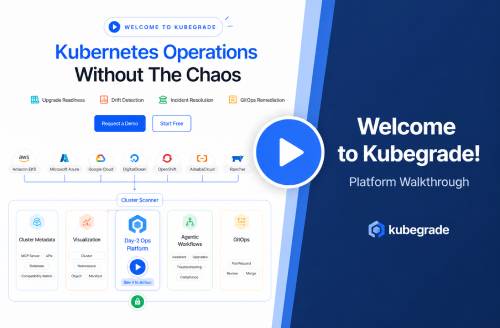
Kubegrade simplifies Kubernetes cluster management. It’s a platform designed for secure, scalable, and automated K8s operations, enabling efficient monitoring, upgrades, and optimization.
Following expert Kubernetes blogs offers a way to gain practical knowledge and stay informed about the evolving Kubernetes ecosystem.
Key Factors for Choosing a Kubernetes Blog
When selecting a Kubernetes blog to follow, several factors can help you identify the best resources. These factors contribute to the blog’s overall value and its ability to provide reliable and accurate information.
- Author Expertise: Look for blogs written by experienced Kubernetes professionals. Authors with a strong background in the field are more likely to provide accurate and insightful content.
- Content Quality: The content should be well-written, clear, and technically sound. It should offer practical advice and solutions that you can apply to your own Kubernetes projects.
- Frequency of Updates: A regularly updated blog ensures you stay informed about the latest Kubernetes developments, new features, and emerging best practices.
- Practical Examples: Blogs that include code snippets, configuration examples, and real-world use cases are more valuable. These examples help you learn by doing and provide a solid foundation for your own projects.
- Community Engagement: A blog that encourages community interaction, such as through comments or forums, can provide additional insights and support. Active communities often share their experiences and offer solutions to common problems.
By considering these factors, readers can find Kubernetes blogs that offer the most value and contribute to their knowledge of Kubernetes.
Author Expertise and Credibility
When seeking a trustworthy Kubernetes blog, author expertise and credibility are vital. A credible author is more likely to provide reliable information, reducing the risk of misinformation.
Here?s how to assess an author’s background:
- Review Experience: Look for authors with a proven track record in Kubernetes. Check their professional experience, previous projects, and roles in Kubernetes-related companies.
- Assess Community Contributions: Active participation in the Kubernetes community can indicate expertise. Look for contributions to open-source projects, presentations at conferences, or participation in community forums.
- Check Credentials and Affiliations: Certifications (like Certified Kubernetes Administrator or Developer), affiliations with reputable organizations (such as the Cloud Native Computing Foundation), or being a Kubernetes contributor can indicate a high level of expertise.
Choosing a Kubernetes blog with credible authors helps ensure that the information you receive is accurate, up-to-date, and practical.
Content Quality and Relevance
The quality and relevance of content are key when evaluating a Kubernetes blog. High-quality content provides more value and helps you learn effectively.
Key aspects of content quality include:
- Accuracy: Information should be technically correct and up-to-date. Verify the accuracy of the content by cross-referencing with official Kubernetes documentation or other reliable sources.
- Clarity: The content should be easy to understand, with clear explanations and examples. Avoid overly technical jargon unless it is properly defined.
- Depth: Articles should cover topics in sufficient detail, providing a thorough exploration of the subject matter. Look for content that goes beyond the basics and offers deeper insights.
- Organization: Well-organized content is easier to follow and understand. Look for blogs that use headings, subheadings, and bullet points to structure their articles.
To determine if the content is relevant to your needs, consider your current skill level and the specific topics you are interested in. High-quality content formats include tutorials, case studies, and in-depth articles that provide practical knowledge and real-world examples.
Update Frequency and Timeliness
In the rapidly evolving Kubernetes environment, the frequency of updates and timeliness of information are important when choosing a Kubernetes blog. Regularly updated blogs provide more current insights, making sure you stay informed about the latest trends.
A blog should ideally be updated at least a few times per month to remain relevant. The Kubernetes environment changes quickly, with new features, tools, and best practices emerging frequently.
Timely information is important for:
- Addressing Current Challenges: Recent blog posts are more likely to address the challenges you are currently facing in your Kubernetes deployments.
- Adopting New Technologies: Staying informed about new technologies and features allows you to adopt them quickly and improve your infrastructure.
- Staying Ahead of the Curve: Regular updates help you stay ahead of the curve and avoid falling behind on important developments.
Choosing a Kubernetes blog that is updated frequently helps you stay informed and adapt to the changes in the Kubernetes ecosystem.
Top Kubernetes Blogs You Should Follow

Finding the right Kubernetes blog can greatly improve your knowledge and skills. Here are some of the top Kubernetes blogs, offering a range of insights and expertise. This list includes both well-known resources and some hidden gems that provide unique perspectives.
- Kubernetes.io Blog: The official Kubernetes blog. It offers announcements, feature releases, and community updates. It’s a primary source for anyone working with Kubernetes.
- The Cloud Native Computing Foundation (CNCF) Blog: This blog covers a wide range of cloud-native technologies, including Kubernetes. It features articles on best practices, case studies, and industry trends.
- Sysdig Blog: Focuses on Kubernetes security, monitoring, and troubleshooting. It provides tutorials, webinars, and in-depth articles on securing and optimizing Kubernetes environments.
- Aqua Security Blog: Dedicated to cloud-native security, with a strong emphasis on Kubernetes. Offers insights into vulnerability management, compliance, and runtime protection.
- Learnk8s: Provides practical tutorials and guides for Kubernetes. This Kubernetes blog is particularly useful for those looking to improve their hands-on skills.
- Kubegrade Blog: While exploring these expert resources, remember that Kubegrade offers practical solutions for simplifying K8s cluster management, enabling efficient monitoring, upgrades, and optimization. The Kubegrade blog complements these resources by providing insights into streamlined K8s operations.
These blogs offer a wealth of information and can help you stay informed about the latest developments in the Kubernetes community. Exploring different Kubernetes blog options allows you to find the resources that best fit your needs.
How to Effectively Use Kubernetes Blog Content
Reading a Kubernetes blog is just the first step. To truly benefit, you need to use the content effectively. Here are some actionable tips to help you translate knowledge into practical skills and advance your professional development.
- Stay Organized: Use tools like bookmarks or note-taking apps to save and categorize articles. Organize content by topic, such as security, networking, or deployment strategies, to easily find information when you need it.
- Apply Learned Concepts: Don’t just read ? experiment. Set up a local Kubernetes cluster using Minikube or Kind and try out the code examples and configurations from the blogs. Applying what you learn helps solidify your knowledge.
- Engage with the Community: Participate in the blog’s comment sections or forums. Ask questions, share your experiences, and learn from others. Community engagement provides additional insights and helps you solve problems.
- Continuous Learning: The Kubernetes ecosystem is constantly evolving, so continuous learning is important. Make it a habit to regularly read Kubernetes blogs, attend webinars, and experiment with new tools and features.
By following these strategies, you can maximize the value of Kubernetes blog content and accelerate your Kubernetes learning path.
Staying Organized with Kubernetes Blog Information
The amount of information available in a Kubernetes blog can be overwhelming. Staying organized is key to effectively using this wealth of knowledge. A structured approach to learning helps you quickly find and apply the information you need.
Here are some practical tips for organizing Kubernetes blog information:
- Bookmark Useful Articles: Use browser bookmarking tools to save articles you find helpful. Create folders for different topics, such as “Security,” “Networking,” or “Deployment,” to categorize your bookmarks.
- Create a Personal Knowledge Base: Use note-taking apps like Evernote, OneNote, or Notion to create a personal knowledge base. Summarize key points from articles and save code snippets or configuration examples for future reference.
- Use Tagging and Keywords: When saving articles or notes, use tags and keywords to make them easier to find. For example, tag an article about Kubernetes networking with “networking,” “CNI,” and “services.”
- Regularly Review and Update: Make it a habit to regularly review your bookmarks and notes. Remove outdated information and update your knowledge base with new insights from Kubernetes blogs.
By staying organized, you can make the most of the information available in Kubernetes blogs and accelerate your learning.
Applying Knowledge to Real-World Scenarios
Reading a Kubernetes blog provides valuable theoretical knowledge, but applying that knowledge to real-world scenarios is important for developing practical skills. Hands-on experience is key for truly knowing Kubernetes.
Here are some strategies for translating theoretical knowledge into practical skills:
- Experiment with Code Examples: Don’t just read code examples ? try them out. Copy the code snippets from Kubernetes blogs and run them in your own environment. Modify the code to see how it works and experiment with different configurations.
- Set Up Personal Kubernetes Environments: Use tools like Minikube or Kind to set up a local Kubernetes cluster on your computer. This allows you to experiment with deployments, services, and other Kubernetes features without affecting production environments.
- Contribute to Open-Source Projects: Look for opportunities to contribute to open-source Kubernetes projects. This provides valuable experience working with real-world code and collaborating with other developers.
- Build Personal Projects: Apply what you learn from Kubernetes blogs to build your own projects. This could be anything from deploying a simple application to automating a complex workflow.
By actively applying your knowledge, you can improve the value of Kubernetes blog content and develop the skills you need to succeed in the Kubernetes ecosystem.
Engaging with the Kubernetes Community
Engaging with the Kubernetes community through blog comments, forums, and social media can greatly improve your learning experience. Networking and collaboration are vital for staying informed and developing your skills. A Kubernetes blog often serves as a starting point for these interactions.
Here are some ways to engage with the Kubernetes community:
- Participate in Blog Comment Sections: Share your thoughts, ask questions, and provide feedback on blog posts. Engaging in discussions can provide new perspectives and help you solve problems.
- Join Kubernetes Forums: Platforms like the Kubernetes Forum or Stack Overflow offer opportunities to ask questions and get help from experienced community members.
- Engage on Social Media: Follow Kubernetes experts and projects on Twitter, LinkedIn, and other social media platforms. Share your experiences and contribute to discussions using relevant hashtags.
- Attend Meetups and Conferences: Local Kubernetes meetups and industry conferences provide opportunities to network with other professionals and learn from experts.
By actively engaging with the Kubernetes community, you can improve your learning, build valuable connections, and stay up-to-date with the latest trends.
Conclusion: Staying Ahead with Kubernetes Blogs and Kubegrade

Following a Kubernetes blog is a great way to stay informed, improve your skills, and keep up with the fast-paced world of Kubernetes. Choosing the right blogs based on your individual needs and learning style is important for maximizing the benefits.
Kubegrade complements the knowledge gained from these blogs by offering a platform for simplified Kubernetes management. It helps you put your learning into practice with efficient monitoring, upgrades, and optimization tools.
Explore the recommended Kubernetes blogs to expand your knowledge and consider Kubegrade to streamline your K8s operations.
Frequently Asked Questions
- What are the benefits of following Kubernetes blogs for professionals in the field?
- Following Kubernetes blogs provides numerous benefits for professionals, including staying updated on the latest trends, discovering best practices, and gaining insights from industry experts. Blogs often feature case studies, tutorials, and practical solutions that can enhance one’s skills and knowledge. Additionally, engaging with community discussions can foster networking opportunities and collaboration among peers.
- How can I determine which Kubernetes blogs are the most credible and informative?
- To determine the credibility and informativeness of Kubernetes blogs, consider factors such as the author’s expertise, the frequency of updates, and the quality of the content. Look for blogs maintained by recognized industry leaders, organizations, or contributors with a strong background in Kubernetes. User reviews and engagement metrics, such as comments and shares, can also provide insight into the blog’s value.
- Are there specific topics within Kubernetes that are frequently covered in these blogs?
- Yes, many Kubernetes blogs frequently cover topics such as container orchestration, deployment strategies, security best practices, scalability, and troubleshooting techniques. Other common themes include new features in Kubernetes releases, comparisons with other orchestration tools, and real-world use cases showcasing innovative applications of Kubernetes in various industries.
- How often should I check these blogs for updates to stay current with Kubernetes developments?
- It is advisable to check Kubernetes blogs regularly, ideally on a weekly basis, to stay current with developments, trends, and best practices. Many blogs publish content consistently, and timely updates can help you keep up with the fast-paced changes in the Kubernetes ecosystem. Subscribing to newsletters or RSS feeds can also ensure you receive updates promptly.
- Can following these blogs help in preparing for Kubernetes certifications?
- Yes, following Kubernetes blogs can significantly aid in preparing for Kubernetes certifications. Many blogs offer study tips, practice questions, and detailed explanations of key concepts covered in certification exams. Additionally, they often highlight real-world scenarios and troubleshooting methods that can enhance your practical understanding of Kubernetes, making you better prepared for certification tests.

