New

Data Evolves. Your Monitoring Should Too. Introducing Flexible Thresholds.

Alert
Sorting

Trusted by platform teams running Kubernetes at scale

No more firefighting

Intelligent Alert Management

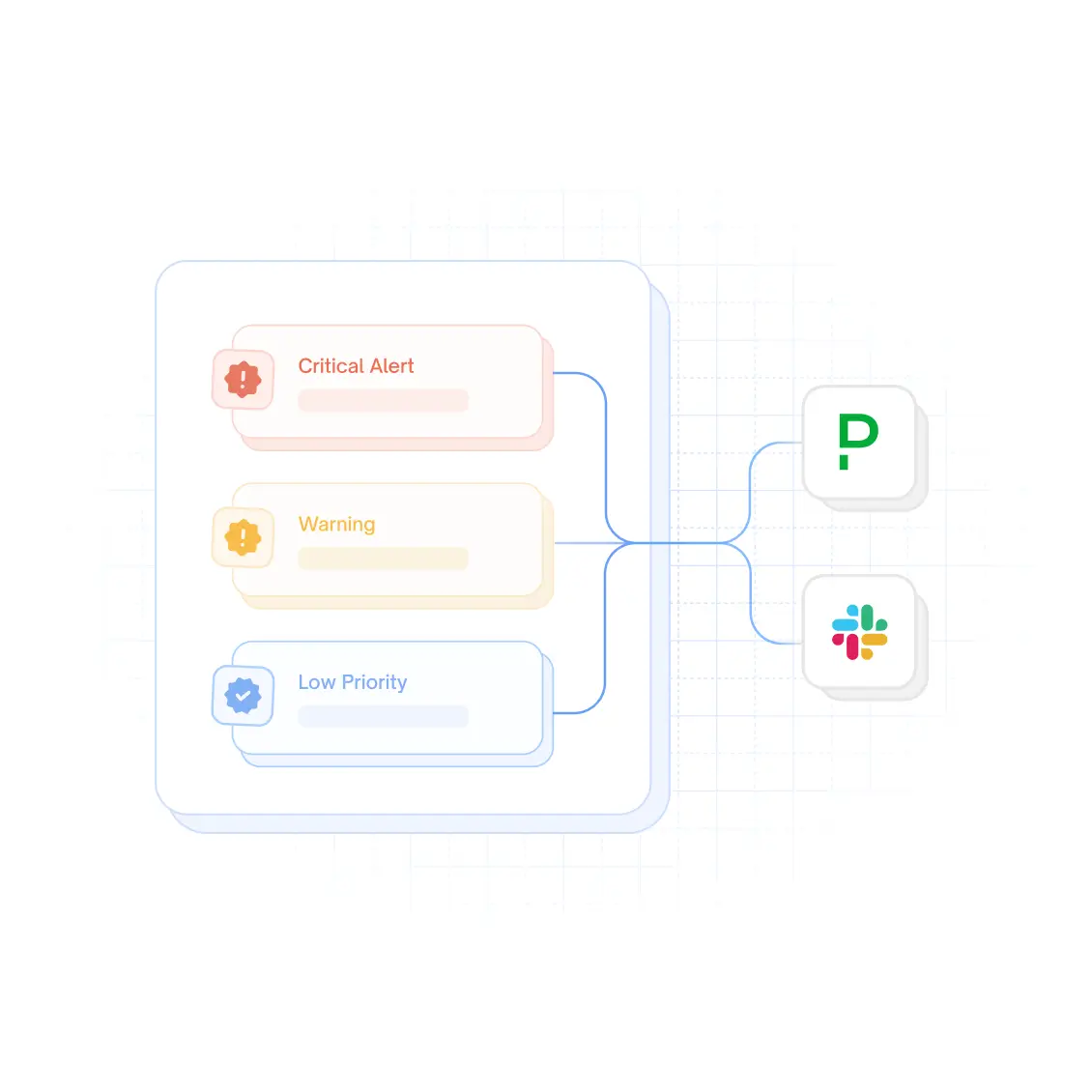
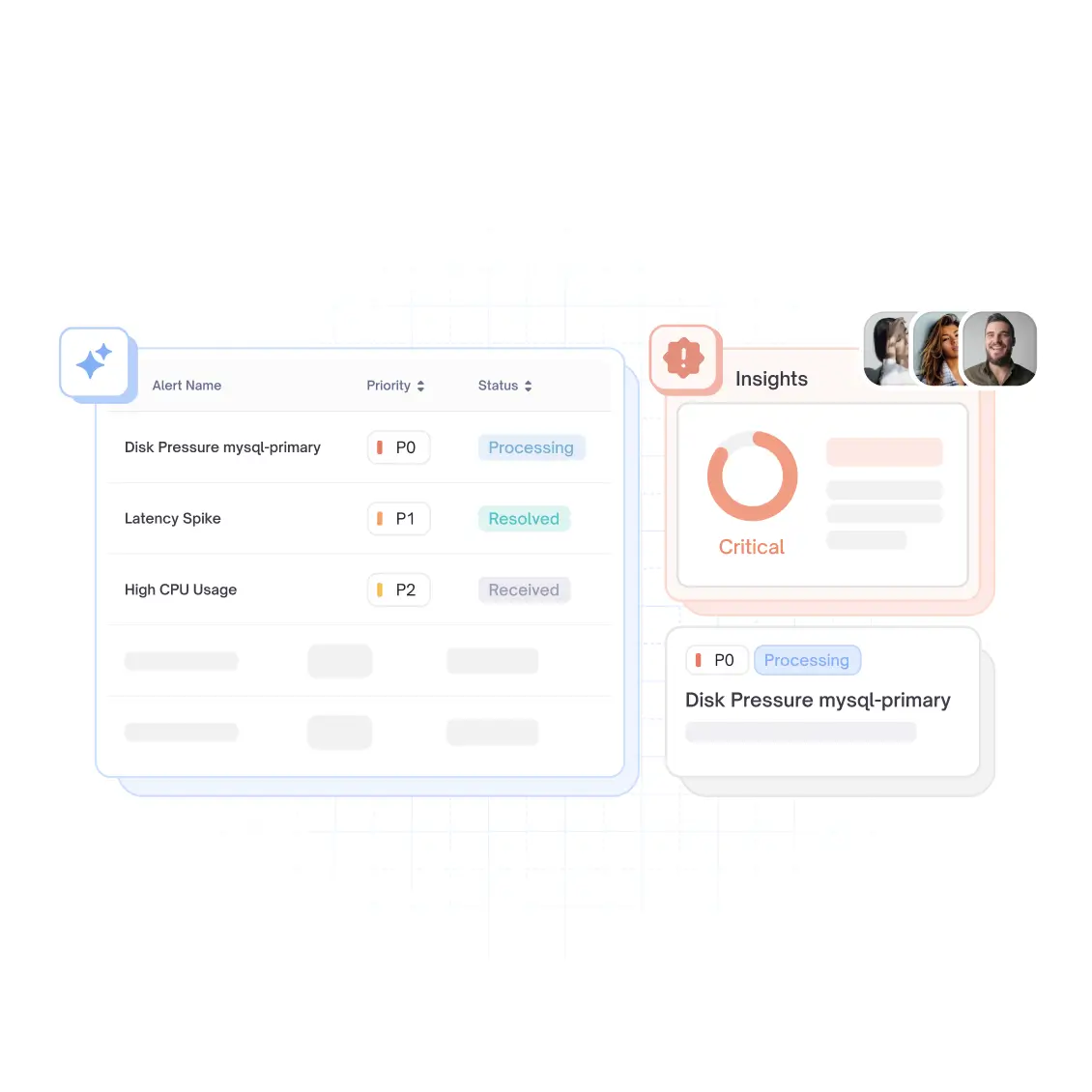
Kubegrade’s agents work collaboratively to review and sort through alerts generated by your existing alerting and observability tools. By efficiently managing and categorizing alerts, these agents minimize cognitive overload, ensuring that critical alerts demanding human intervention are quickly identified and escalated
to the appropriate stakeholders. Integration with platforms like PagerDuty and Slack enables uninterrupted communication, facilitating timely responses to urgent incidents.

Automated Resolution and Human Oversight

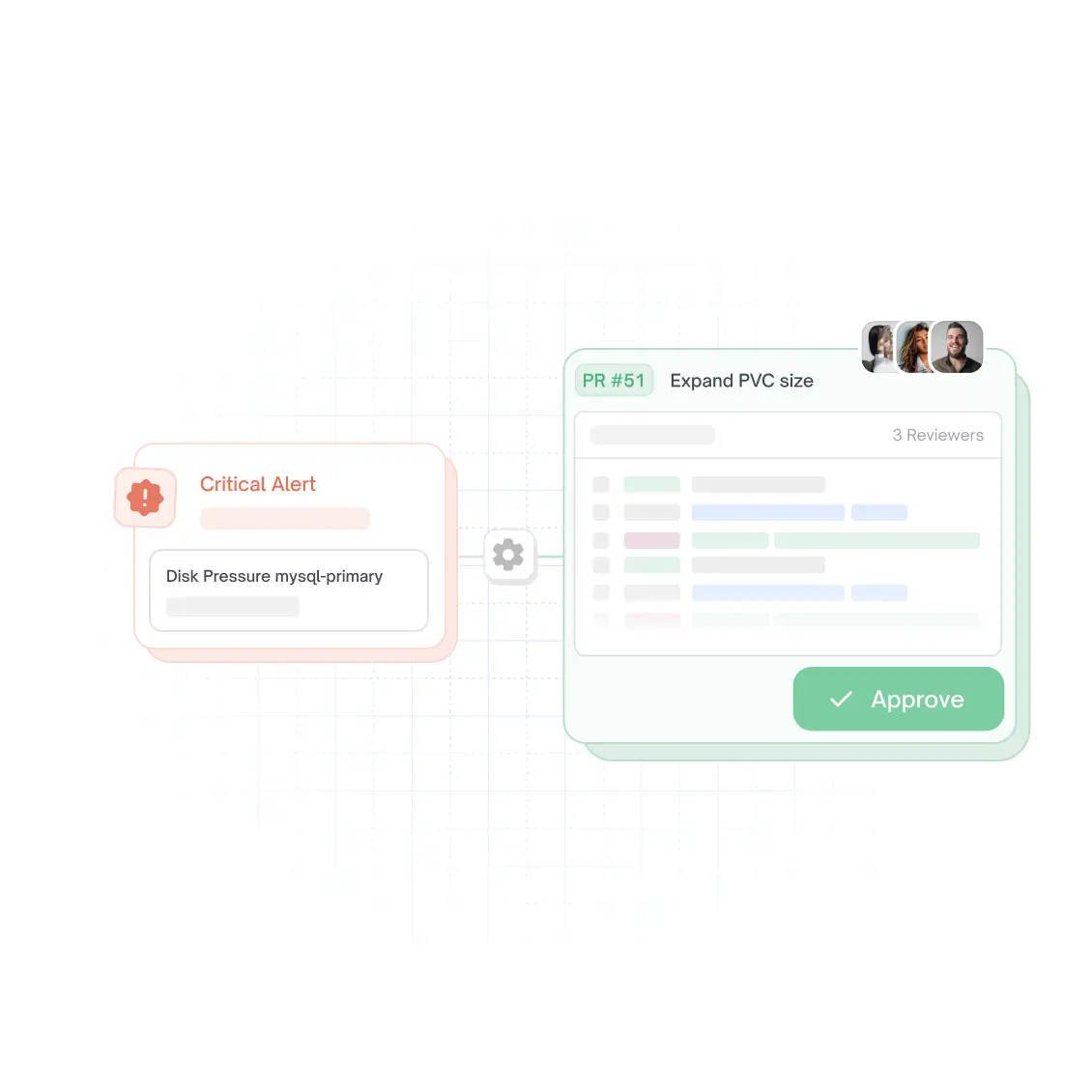
For alerts that are resolvable via Kubegrade’s built-in agents, automated actions are taken to resolve these issues without manual intervention. The system generates pull requests for any necessary changes, which are then reviewed and merged by human operators. This human-in-the-loop approach ensures that while
automation expedites resolution, expert evaluation remains a core aspect of your upgrade processes, maintaining control and reliability.

Impact-Based Prioritization

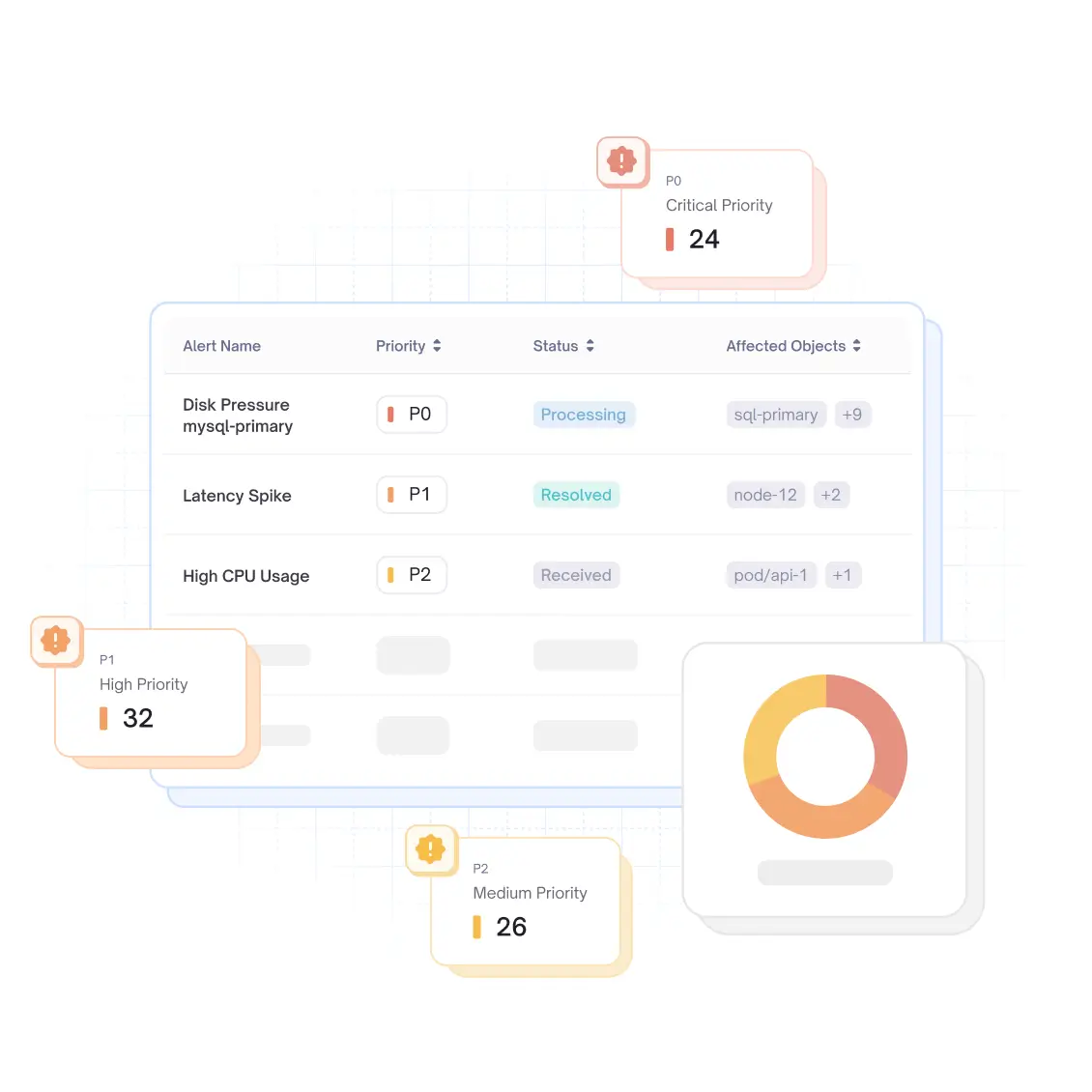
Kubegrade Signal Intelligence prioritizes alerts based on service impact, cluster criticality, and operational risk. By focusing on alerts that truly matter, teams can allocate their resources effectively, ensuring that high-priority issues receive immediate attention while lower-value notifications are suppressed or organized for later review.

Context Enrichment and Reporting

Each alert is enriched with valuable context, including cluster state, recent changes, and related incidents. This enrichment provides teams with the necessary background to respond effectively. Additionally, all alerts and their resolutions can be found in a well-organized dashboard. This centralized view not only simplifies reporting but also ensures easy access to alert data, facilitating informed decision-making and improving overall operational visibility.

Conclusion

Reduce the noise from alerts and focus on actionable insights with Kubegrade Signal Intelligence. By leveraging intelligent agents that automate resolution and maintain human oversight, you can minimize manual effort and enhance your incident management capabilities within Kubernetes environments.

People are loving Kubegrade, see what you are missing

“We introduced Kubegrade across a few clusters during a recent upgrade cycle. What used to take days of manual checks and coordination was reduced to a structured workflow with clear visibility. The ability to generate pull requests for fixes instead of making direct changes gave our team a lot more confidence.”

— Head of Platform Engineering, Northbridge Financial

“Our environments are a mix of cloud and client-managed infrastructure, which usually makes standardization difficult. Kubegrade helped us get a consistent view of what’s actually running versus what’s defined in code. The drift detection alone surfaced issues we didn’t know we had.”

— DevOps Lead, Atlas Digital Systems

“We deal with constant alerts and troubleshooting requests from internal teams. Since using Kubegrade, we’ve been able to prioritize what actually matters and resolve issues faster. Having context tied to each problem, along with suggested fixes, has reduced a lot of back-and-forth between teams.”

— Site Reliability Engineer, VertexCloud Technologies

Frequently asked questions

What is Kubegrade Signal Intelligence?

Kubegrade Signal Intelligence is a signal management layer that connects to various alerting and observability tools, transforming alert noise into actionable insights while minimizing manual work.

How do the intelligent agents manage alerts?

The agents sort and categorize alerts, escalating critical issues needing human intervention to the appropriate stakeholders via integrations with tools like PagerDuty and Slack.

What is the process for automated resolution?

For alerts that can be resolved automatically, Kubegrade generates pull requests which are then reviewed and merged by human operators, maintaining a humanin-the-loop framework to ensure expert oversight.

How does Impact-Based Prioritization work?

Kubegrade prioritizes alerts based on their potential impact on services, allowing teams to focus on the most critical issues and reduce distractions from less important notifications.

What features are included in the dashboard?

The dashboard provides a centralized view of alerts, including context enrichment, resolution tracking, and reporting capabilities, simplifying access to alert data and improving operational visibility.

Featured articles

All in one place

Comprehensive and centralized solution for data governance, and observability.