



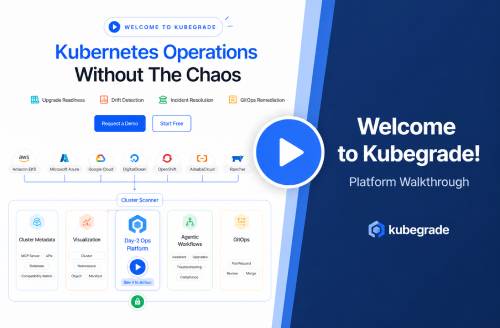


Kubernetes Solutions for Enterprises: A Comprehensive Guide

by Tim
September 16, 2025
Kubernetes has changed how large companies handle application development, deployment, and scaling. As Kubernetes use grows, so do the difficulties of managing it across an entire organization. Enterprises need Kubernetes solutions that offer secure, adaptable, and automated operations to handle this complexity.
This guide explores key Kubernetes solutions for enterprises. It will focus on how to achieve adaptability, security, and automation in your K8s environments. Learn how Kubegrade simplifies K8s cluster management, allowing for optimized operations.
Key Takeaways
- Kubernetes is essential for enterprises managing containerized applications, but it presents challenges in scalability, security, and automation.
- Key security concerns in Kubernetes include RBAC misconfigurations, container image vulnerabilities, weak network policies, and inadequate data encryption.
- Enterprise-grade Kubernetes solutions should offer automated deployment and scaling, strong security measures, comprehensive monitoring, simplified upgrades, and integration with existing infrastructure.
- Kubegrade simplifies Kubernetes cluster management with secure, automated operations, including monitoring, upgrades, and optimization, all within a user-friendly interface.
- Automating routine tasks in Kubernetes reduces operational overhead, minimizes errors, and improves efficiency, allowing teams to focus on strategic initiatives.
- Effective Kubernetes solutions provide real-time visibility into cluster health and performance, enabling faster troubleshooting and improved overall performance.
- Choosing the right Kubernetes solution, like Kubegrade, is crucial for enterprises to streamline operations, enhance security, and focus on innovation rather than infrastructure management.
Table of Contents
- Introduction to Kubernetes Solutions for Enterprises
- Key Challenges in Enterprise Kubernetes Management
- Features of Enterprise-Grade Kubernetes Solutions
- Kubegrade: Simplifying Kubernetes Cluster Management
- Conclusion: Choosing the Right Kubernetes Solution for Your Enterprise
- Frequently Asked Questions
Introduction to Kubernetes Solutions for Enterprises

Kubernetes has become vital for enterprises seeking to manage containerized applications efficiently. Kubernetes solutions for enterprises offer the flexibility needed to stay competitive [1]. However, managing Kubernetes clusters presents challenges, especially concerning security and automation [2].
Kubegrade simplifies K8s cluster management by providing a platform for secure and automated operations. It helps with monitoring, upgrades, and optimization [3]. This article guides enterprises in selecting the best Kubernetes solutions to meet their specific needs.
Key Challenges in Enterprise Kubernetes Management
Enterprises face several challenges when adopting and managing Kubernetes. These challenges can impact business operations if not addressed effectively.
Scalability
Scaling Kubernetes deployments to meet fluctuating demands requires careful planning. Without proper configuration, applications may experience performance issues or downtime during peak loads. For example, an e-commerce company might struggle to handle increased traffic during a flash sale if its Kubernetes infrastructure cannot scale quickly enough. Kubegrade helps by providing tools to efficiently scale resources based on real-time demand.
Security
Security is a major concern in Kubernetes environments. Kubernetes clusters can be vulnerable to attacks if not properly secured [1]. Misconfigured roles and permissions, unpatched vulnerabilities, and insecure network policies can expose sensitive data. A financial institution, for instance, could face severe consequences from a data breach caused by a compromised Kubernetes cluster. Kubegrade offers security features such as role-based access control and vulnerability scanning to help mitigate these risks.
Automation
Automating routine tasks is crucial for reducing operational overhead and improving efficiency. Manual processes for deploying, updating, and monitoring applications can be time-consuming and error-prone. For example, a large enterprise might spend excessive time and resources on manual deployments, slowing down the release cycle. Kubegrade automates many of these tasks, allowing teams to focus on more strategic initiatives.
Scalability Challenges in Kubernetes
Enterprises encounter specific scalability challenges when using Kubernetes. Scaling stateful applications, managing resource allocation across clusters, and handling unpredictable traffic are key issues.
Scaling stateful applications, like databases, is more complex than scaling stateless ones. It involves guaranteeing data consistency and availability during scaling operations. Poorly managed scaling can lead to data corruption or loss. Managing resource allocation across multiple clusters adds another layer of complexity. Different teams might compete for resources, leading to inefficiencies and bottlenecks.
Unpredictable traffic patterns can also cause problems. If a system isn’t prepared for sudden spikes in demand, it can lead to performance bottlenecks and service disruptions. For instance, an online gaming platform might experience lag and downtime during peak hours if its Kubernetes deployments cannot scale quickly enough.
Kubegrade helps enterprises efficiently scale their Kubernetes deployments. Features like auto-scaling adjust resources based on real-time demand. Resource optimization tools make sure that resources are used efficiently, preventing waste and improving performance.
Security Concerns and Compliance
Enterprises must address security vulnerabilities and compliance requirements in Kubernetes environments. Several areas require attention to avoid breaches and maintain compliance.
- Role-Based Access Control (RBAC) Misconfigurations: Incorrectly configured RBAC can grant excessive permissions, allowing unauthorized access to sensitive resources.
- Container Image Vulnerabilities: Container images may contain known vulnerabilities that attackers can exploit. Regular scanning and patching are necessary.
- Network Security Policies: Weak network policies can allow lateral movement within the cluster, enabling attackers to compromise multiple services.
- Data Encryption: Failure to encrypt data at rest and in transit can expose sensitive information in case of a breach.
Security breaches and non-compliance can have severe consequences, including financial losses, reputational damage, and legal penalties. For example, a healthcare provider that fails to protect patient data in its Kubernetes environment could face significant fines under regulations like HIPAA.
Kubegrade helps enterprises secure their Kubernetes environments and maintain compliance. It offers automated security audits to identify misconfigurations, vulnerability scanning to detect vulnerable container images, and network policy enforcement to control traffic flow. These features help organizations address security risks and meet regulatory requirements.
Automation and Operational Overhead
Automating routine tasks in Kubernetes presents challenges, and manual management can lead to significant operational overhead. Several key areas contribute to this issue.
- Automating Deployments and Rollouts: Manually deploying and rolling out applications is time-consuming and prone to errors. It requires careful coordination and can lead to inconsistencies.
- Managing Updates and Patches: Applying updates and patches manually across a Kubernetes cluster is complex and risky. It can disrupt services and introduce vulnerabilities if not done correctly.
- Monitoring Cluster Health and Performance: Manually monitoring cluster health and performance requires constant vigilance and can be difficult to scale. Identifying and resolving issues becomes challenging.
- Troubleshooting Issues: Manually troubleshooting issues in a Kubernetes environment is complex and time-consuming. It requires expertise and can delay resolution.
Manual processes can lead to errors, inefficiencies, and increased costs. For example, a company might experience prolonged downtime due to a failed manual deployment, resulting in lost revenue and customer dissatisfaction.
Kubegrade automates these tasks, reducing operational overhead and improving efficiency for enterprises. By automating deployments, updates, monitoring, and troubleshooting, Kubegrade allows teams to focus on strategic initiatives rather than routine tasks.
Features of Enterprise-Grade Kubernetes Solutions

Enterprises should look for specific features in Kubernetes solutions to ensure successful adoption. These features address the challenges of managing complex deployments and maintaining operational efficiency.
- Automated Deployment and Scaling: Automated deployment and scaling simplify application management. They allow enterprises to quickly deploy new applications and scale resources based on demand.
- Strong Security Measures: Security is critical. Role-Based Access Control (RBAC) and network policies protect sensitive data and prevent unauthorized access.
- Comprehensive Monitoring and Logging: Monitoring and logging provide visibility into cluster health and performance. They allow enterprises to quickly identify and resolve issues.
- Simplified Upgrade Processes: Upgrading Kubernetes clusters can be complex. Simplified upgrade processes minimize downtime and reduce the risk of errors.
- Integration with Existing Enterprise Infrastructure: Integration with existing infrastructure, such as identity providers and storage systems, streamlines operations.
Each of these features is crucial for successful Kubernetes adoption in an enterprise setting. They address key challenges related to scalability, security, automation, and integration.
Kubegrade incorporates these features to provide a complete solution for enterprises. It offers automated deployment and scaling, strong security measures, comprehensive monitoring and logging, simplified upgrade processes, and integration with existing infrastructure.
Automated Deployment and Scaling
Automated deployment and scaling are important for enterprise Kubernetes solutions. Automation streamlines the deployment process, reduces errors, and accelerates time to market. By automating deployments, enterprises can release new applications and features more quickly and reliably.
Auto-scaling is beneficial for handling fluctuating workloads and optimizing resource utilization. It allows Kubernetes deployments to automatically adjust resources based on demand. This makes sure that applications have the resources they need during peak periods and avoids wasting resources during low-traffic times.
For example, a media streaming company can use auto-scaling to handle increased traffic during popular events, providing a smooth viewing experience for users. Automated deployment and scaling can improve efficiency and reduce operational costs by minimizing manual intervention and optimizing resource allocation.
Kubegrade automates these processes for its users, providing tools and features to simplify deployment and scaling. This allows enterprises to focus on innovation rather than routine tasks.
Strong Security Measures
Enterprise-grade Kubernetes solutions should offer security features to protect sensitive data and prevent unauthorized access. These measures are important for maintaining a secure environment and complying with industry standards.
- Role-Based Access Control (RBAC): RBAC allows administrators to control access to Kubernetes resources based on roles. This makes sure that only authorized users can perform specific actions.
- Network Policies: Network policies define how pods communicate with each other and with external services. They prevent unauthorized network traffic and limit the impact of potential breaches.
- Container Image Scanning: Container image scanning identifies vulnerabilities in container images before they are deployed. This helps prevent the deployment of vulnerable applications.
- Vulnerability Management: Vulnerability management involves regularly scanning and patching Kubernetes components and applications. This reduces the risk of exploitation.
Compliance with industry standards and regulations, such as SOC 2 and HIPAA, is important for many enterprises. Security measures help organizations meet these requirements and avoid penalties.
Kubegrade incorporates strong security measures to make sure a secure Kubernetes environment. It offers RBAC, network policies, container image scanning, and vulnerability management to protect data and prevent unauthorized access.
Comprehensive Monitoring and Logging
Comprehensive monitoring and logging play a critical role in managing enterprise Kubernetes deployments. Real-time visibility into cluster health, performance metrics, and application behavior is important for maintaining a stable and efficient environment.
Monitoring and logging enable issue detection, faster troubleshooting, and improved performance. By monitoring key metrics, enterprises can identify potential problems before they impact users. Logging provides a detailed record of events, which helps in diagnosing and resolving issues.
For example, if an application experiences a sudden increase in latency, monitoring tools can alert administrators to the issue. Logs can then be analyzed to identify the root cause, such as a database bottleneck or a network problem.
Kubegrade provides monitoring and logging capabilities to help enterprises maintain a healthy and efficient Kubernetes environment. These tools offer insights into cluster performance and application behavior, enabling teams to address issues and improve how things run.
Simplified Upgrade Processes
Upgrading Kubernetes clusters presents challenges, and simplified upgrade processes are important. Complex upgrades can lead to downtime, compatibility issues, and security vulnerabilities. Therefore, having a straightforward upgrade process is key.
Automated and streamlined upgrade processes minimize risks and make sure a smooth transition. By automating the upgrade process, enterprises can reduce the likelihood of human error and accelerate the upgrade timeline.
For example, a large enterprise with multiple Kubernetes clusters can use automated upgrades to efficiently update all clusters to the latest version. This reduces the risk of security vulnerabilities and makes sure compatibility across the environment.
Kubegrade simplifies Kubernetes upgrades, reducing the burden on IT teams and minimizing potential disruptions. By automating many of the steps involved in upgrading, Kubegrade makes the process easier and less risky.
Integration with Existing Infrastructure
Easy integration with existing enterprise infrastructure is important. This includes networking, storage, and identity management systems. Integration enables enterprises to use their current investments and avoid vendor lock-in.
Interoperability with other cloud services and on-premises environments offers benefits. It allows enterprises to create hybrid cloud solutions that combine the best of both worlds. This flexibility is important for organizations with complex IT environments.
For example, an enterprise can integrate its Kubernetes environment with its existing identity management system to provide single sign-on for users. It can also integrate with its storage system to provide persistent storage for containerized applications.
Kubegrade integrates with a wide range of enterprise infrastructure components, providing a flexible and adaptable solution. This allows enterprises to use Kubegrade with their existing tools and systems, simplifying deployment and management.
Kubegrade: Simplifying Kubernetes Cluster Management
Kubegrade is a platform designed to simplify Kubernetes cluster management for enterprises. It offers features and benefits that help organizations manage their K8s environments more efficiently.
- Secure and automated K8s operations: Kubegrade provides a secure environment for running Kubernetes. It automates many routine tasks, reducing the risk of human error and improving efficiency.
- Automated monitoring, upgrades, and optimization: Kubegrade automates monitoring, upgrades, and optimization. This helps enterprises maintain a healthy and efficient Kubernetes environment. These Kubernetes solutions for enterprises ensure resources are used effectively.
- User-friendly interface: Kubegrade offers a user-friendly interface for managing complex deployments. This makes it easier for teams to manage their applications and services.
Kubegrade helps enterprises overcome the challenges discussed earlier by providing tools to automate deployments, secure their environments, and monitor performance. For example, Kubegrade can automate the process of scaling applications to meet fluctuating demands, reducing the risk of downtime.
Kubegrade’s value proposition is that it enables enterprises to focus on innovation rather than infrastructure management. By simplifying Kubernetes cluster management, Kubegrade allows teams to focus on developing and deploying new applications and features.
Secure and automated K8s Operations with Kubegrade
Kubegrade makes sure secure and automated Kubernetes operations through various measures. These measures protect sensitive data and enable enterprises to scale their deployments efficiently.
Kubegrade implements security measures, such as:
- Role-Based Access Control (RBAC): RBAC controls access to Kubernetes resources based on roles, limiting unauthorized access.
- Network Policies: Network policies define how pods communicate, preventing unauthorized network traffic.
- Vulnerability Scanning: Vulnerability scanning identifies vulnerabilities in container images, preventing the deployment of vulnerable applications.
Kubegrade enables enterprises to scale their deployments efficiently. Features like auto-scaling adjust resources based on demand, and resource optimization tools make sure that resources are used efficiently.
For example, a financial institution can use Kubegrade to secure its Kubernetes environment and comply with regulatory requirements. An e-commerce company can use Kubegrade to automatically scale its deployments during peak shopping seasons, maintaining performance and availability.
Automated Monitoring, Upgrades, and Optimization
Kubegrade automates monitoring, upgrades, and optimization for Kubernetes clusters, simplifying cluster management and reducing operational overhead.
Kubegrade’s monitoring capabilities include:
- Real-time dashboards: Real-time dashboards provide visibility into cluster health and performance.
- Alerts: Automated alerts notify administrators of potential issues.
- Performance metrics: Performance metrics track key indicators, helping identify bottlenecks.
Kubegrade automates upgrade processes, reducing downtime and risk. Automated upgrades streamline the process of updating Kubernetes clusters to the latest version.
Kubegrade includes optimization features, such as resource allocation and cost management. These features help enterprises use resources efficiently and control costs.
For example, Kubegrade can automatically identify and remove unused resources, reducing waste and lowering cloud costs. It can also automate the process of upgrading Kubernetes clusters, minimizing downtime and risk. These automation features simplify cluster management and allow teams to focus on other tasks.
User-Friendly Interface for Complex Deployments
Kubegrade offers a user-friendly interface that simplifies the management of complex Kubernetes deployments. The intuitive design, easy navigation, and visual tools make it easier for users to manage their applications.
The interface enables users to easily deploy, manage, and monitor their applications. Visual tools provide a clear view of cluster resources and application status. Easy navigation allows users to quickly find the information they need.
For example, a new Kubernetes user can use the interface to quickly deploy a sample application. An experienced user can use the interface to fine-tune resource allocations and monitor performance metrics. The interface reduces the learning curve and improves productivity for both novice and experienced users.
Conclusion: Choosing the Right Kubernetes Solution for Your Enterprise

Selecting the right Kubernetes solution is important for meeting enterprise needs. This article discussed the challenges of Kubernetes management, including scalability, security, and automation. It also highlighted features to look for in a solution, such as automated deployment, strong security measures, and comprehensive monitoring.
Kubegrade offers capabilities as a complete solution, simplifying Kubernetes cluster management and enabling enterprises to focus on innovation.
Explore Kubegrade further to simplify your Kubernetes experience. The future of Kubernetes in the enterprise is automated, secure and efficient.

